The best time to visit Poland
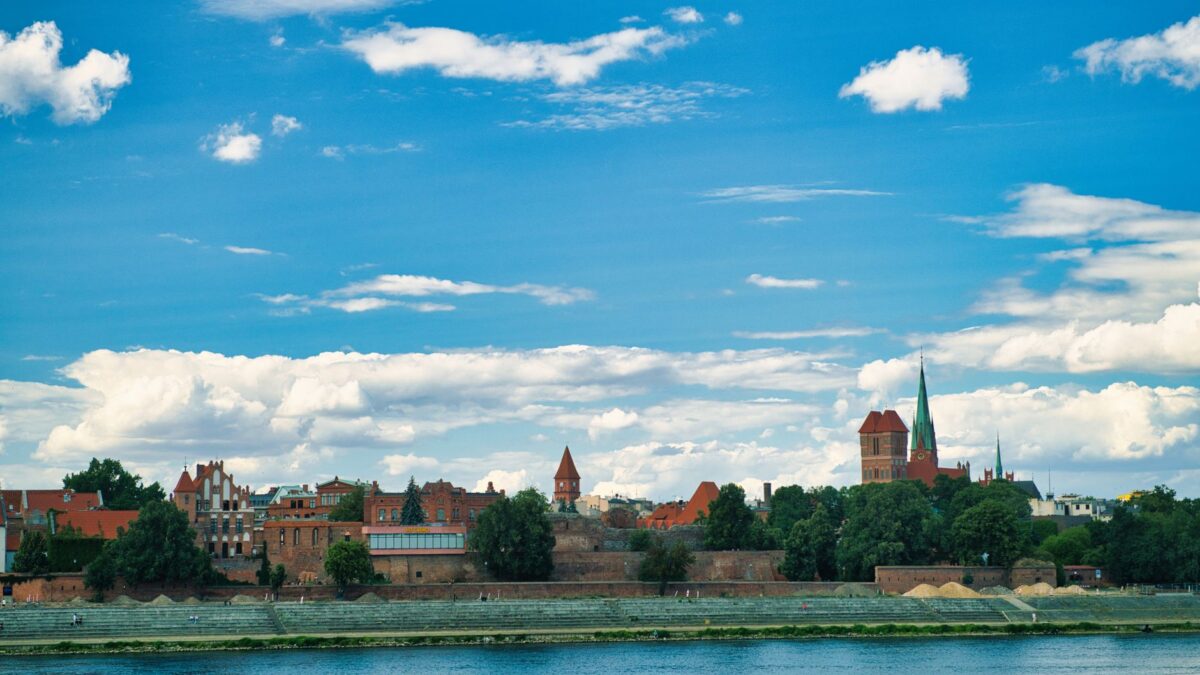
August in Warsaw hits you like a warm, bittersweet wave. At 17:00 on the first of the month, the city stops. Sirens wail over the rooftops, trams pause, and strangers on the street stand still. It’s the 82nd anniversary of the Warsaw Uprising — a moment of silence that feels as heavy as the humidity. Then, by evening, the same streets fill with singers at the ‘Warszawiacy Śpiewają (Nie)Zakazane Piosenki’ concert near Plac Piłsudskiego, and the city exhales. A week later, The Weeknd is playing two sold-out nights at PGE Narodowy, and the bridges over the Vistula are jammed with fans. That’s Warsaw in peak summer: solemn memory and neon joy, ancient ritual and global pop, all tangled together.
But August is just one act in Poland’s year. So let me walk you through all four seasons — the weather, the crowds, the prices, the festivals — so you can pick the month that fits your rhythm. I’ve lived here long enough to know when the city feels like a secret and when it feels like a stadium.
Summer (June–August): Long light, empty streets, and riverside life
Summer in Warsaw is warmer and more relaxed than you might expect. In early August, forecasts hover around 15–25°C, with overcast skies softening the sun. The days stretch past 20:00 — sunrise around 05:09, sunset after 20:13 — giving you golden evenings on the Vistula Boulevards, where kayaks drift past wild beaches and riverside clubs hum until late.
Here’s the thing about Warsaw in summer: the centre feels half-empty. Many residents flee to lakes or mountains, so the Old Town and Krakowskie Przedmieście are quieter than in spring — except during big events. The first week of August is packed: the Uprising anniversary (streets close around Plac Piłsudskiego and the Old Town, buses and trams reroute from 31 July to 5 August), then The Weeknd’s two nights at PGE Narodowy (4–5 August), then the 10th WarszeMuzik chamber music festival, which runs all month with free open-air concerts in courtyards and former ghetto sites, opening with clarinettist David Krakauer on Chłodna Street.
You’ll also catch the 18th Święto Wisły (Vistula River festival) on 2 August, which turns Plaża Rusałka into a riverside settlement with free wooden-boat crossings to Bulwar Jana Karskiego, workshops and evening concerts. And if you’re into retro neon, the Neon Muzeum reopens from 1 August with a new ‘City Lights’ exhibit on the 4th floor of the Palace of Culture and Science. Meanwhile, Gastro Miasto, one of Poland’s biggest street-food festivals, sets up on Plac Centralny with dozens of restaurants, wine and cheese zones, and a silent disco to close it out.
Prices: Mid-range hotels run about 350–500 PLN a night (≈ $105). A milk-bar lunch (bar mleczny) will set you back 25–40 PLN (≈ $8) — and yes, that’s a real, hearty Polish meal. A cappuccino at a café is around 12–16 PLN (≈ $4). You can eat well for less than you’d pay in Berlin.
Verdict: Come in August if you love festivals and don’t mind some solemn moments. Come in June instead for the longest days and the least crowd chaos — the Vistula is glorious and the Sunday Chopin concerts at Royal Łazienki Park are in full swing (free, under the Chopin Monument, with peacocks wandering by).
Autumn (September–November): Golden leaves, culture season, and sane prices
September in Warsaw is a sweet spot. The summer crowds vanish, the weather stays mild (think 12–20°C early in the month), and the city’s cultural calendar snaps into full gear. The Vistula Boulevards are quieter, but still lovely for a walk. The Royal Łazienki Park turns gold, and the squirrels become bolder.
October is my personal favourite. The Palace of Culture and Science terrace (30th floor) offers crisp views over the city, and the museums — Warsaw Uprising Museum, POLIN Museum of the History of Polish Jews, National Museum — are less crowded. The Polish National Opera and Philharmonic seasons begin, and the jazz clubs in Powiśle and Śródmieście start heating up.
November is moody but atmospheric. The 11th — Independence Day — draws big nationalist marches and quieter counter-demonstrations; it’s a day to observe, not join unless you know the politics. By late November, the Royal Garden of Lights opens at Wilanów Palace, a winter wonderland that’s worth the trip south.
Prices: Hotel rates drop about 15–20% from summer. A month’s transport pass is around 110 PLN (≈ $28), and a single 75-minute ticket is just 4.40 PLN (≈ $1.1). You’ll find many locals saying autumn is the best time for budget travellers — and they’re right.
Winter (December–February): Christmas magic and freezing beauty
Winter in Warsaw is cold — often -5°C to 5°C — but it’s also magical. The Old Town’s Christmas market at Castle Square and on the Royal Route glows with wooden stalls selling mulled wine (grzaniec), pierogi, and amber. The Vistula Boulevards may be icy, but the riverside paths are still walkable if you bundle up.
January is the quietest month. Prices bottom out: you can find mid-range hotels around 300–400 PLN (≈ $90). The city is grey but honest. The Warsaw Uprising Museum and POLIN are warm refuges, and the Palace of Culture’s neon signs keep the gloom at bay. February brings the start of carnival — some balls and parties, but nothing like Rio.
Watch out for: Snow can disrupt trams and buses, but the metro (M1 and M2) runs reliably. The 1 August sirens are a summer thing, so winter is free of that emotional weight.
Verdict: Come in December for the markets and lights; come in January if you want the cheapest flights and hotels, and don’t mind short days (sunset around 15:30).
Spring (March–May): Rebirth, longer evenings, and café culture
Spring is when Warsaw wakes up. March is still chilly (5–10°C), but April brings 12–18°C and the first real warmth. By May, you’ll see 18–25°C, and the city explodes with green — the Vistula Boulevards reopen their pop-up bars, and the beaches get busy on weekends.
May is a highlight: Constitution Day (3 May) features parades and picnics, and the International Chopin Competition (held in odd years) draws classical music lovers from around the world. The Jewish Culture Festival in Warsaw and the Polish Film Festival often happen in spring too.
Crowds: Moderate. The Old Town gets busy on weekends, but weekdays are calm. Prices are between winter lows and summer highs — a mid-range meal at a restaurant with a drink runs 55–75 PLN (≈ $16) per person.
Verdict: If you want pleasant weather without peak crowds, May is the best month in Warsaw. The days are long, the parks are in bloom, and the first outdoor concerts begin.
Where to stay, eat, and what it really costs
Warsaw’s neighbourhoods have distinct personalities. Stay in Śródmieście for the historic core and nightlife — the Chmielna Guest House or the Fundacja Domu Literatury offer literary charm near the Royal Route. Powiśle is the hipster river enclave with the Elektrownia Powiśle food hall and the Copernicus Science Centre. Mokotów is green and family-friendly with Pole Mokotowskie park; Żoliborz is leafy and artsy with weekend markets at Skwer Śmiała; Wola is the business district with the 310m Varso Tower and the Warsaw Uprising Museum; and Praga (Północ/Południe) is bohemian — check out Koneser vodka centre and Saska Kępa’s Art Deco villas.
For food, don’t miss the milk bars (cheap, real meals) — try ‘Bar Mleczny’ anywhere. For a step up, hit Hala Koszyki, the city’s favourite food hall, or restaurants like Soul Kitchen and Restauracja Primitivo. For coffee, the local roasters like Ministry of Coffee and STOR Café do excellent cappuccinos for around 12–16 PLN (≈ $4).
Cost reality: Warsaw rents have hit record highs — a modest one-bedroom outside the centre costs about 2,500–3,400 PLN (≈ $740) a month, and housing now eats over 40% of the average salary. But as a visitor, you’ll find it cheap: public transport is a steal, museum tickets are 20–40 PLN (≈ $8), and a draught beer in a bar is 12–15 PLN (≈ $3).
Practical tips for your trip
- Visa: Poland is Schengen. US, UK and most non-EU visitors enter visa-free for up to 90 days in any 180-day period. Longer stays need a national visa.
- Transit: Use the mobiWAWA app or jakdojade to buy tickets. A 75-min zone-1 ticket is 4.40 PLN, a 30-day pass ~110 PLN. If you pay Warsaw taxes, get the discounted ‘Bilet warszawiaka’.
- SIM: Orange, Play, T-Mobile, Plus all sell prepaid SIMs (from ~5 PLN) with passport registration.
- Safety: Warsaw is very safe; just watch for pickpockets in the Old Town and metro. Praga-Północ still has a rough edge after dark, though it’s gentrifying fast.
So, when should you come? If you want festivals and long nights, August is your month — just book early and be ready for the Uprising anniversary’s gravity. If you want the best balance of weather, culture and cost, aim for May or September. And if you’re a true budget traveller, January will reward you with the lowest prices and a city that feels like it’s all yours.
Either way, Poland’s heart beats strongest in its capital’s resilience. Come see it for yourself — and bring an extra layer, because the weather here loves a good plot twist.
Frequently asked questions
What is the best month to visit Warsaw, Poland?
May and September offer the best weather (15–25°C) with fewer crowds than summer and moderate prices. August is festival-heavy but busy, while January is cheapest.
Why do the sirens sound in Warsaw on August 1?
At 17:00 on August 1, Warsaw honors the 1944 Uprising with a minute of silence — sirens wail across the city. It’s a solemn, memorable experience.
Is August a good time to visit Warsaw?
Yes, if you love events: The Weeknd concerts, WarszeMuzik festival, Vistula River festival, and street food at Gastro Miasto. But book hotels early (around 350–500 PLN/night).
How expensive is Warsaw for a tourist?
Very affordable: a milk bar lunch is 25–40 PLN, a coffee 12–16 PLN, a museum ticket 20–40 PLN, and transit fare 4.40 PLN. Mid-range hotels run 350–500 PLN.
What is the cheapest season to visit Poland?
Winter (January) — hotel prices drop and flights are cheapest. Expect cold weather (-5 to 5°C), but the Christmas markets in December are worth the chill.
Things to do in Poland
 Private Bike Tour in Krakow
 Krakow: Guided Sightseeing Tour by golf cart/buggy
 Warsaw City Sightseeing in a Retro Bus for Groups
 Majdanek Concentration Camp & Lublin Full Day Private Tour from Warsaw
 Guided Winter Kayak Tour in Gdańsk & Hot Chocolate Treat
 Zakopane Snowmobile and Thermal Baths Full Day Tour from Krakow