

A first-timer’s guide to Denmark
The drizzle is barely a drizzle — more like a suggestion of rain, the kind that brushes your cheek and then vanishes as the sun breaks over the harbour. It’s 17°C at 8 a.m., and by the time you’ve walked from Central Station to the lakes, it’ll be 22°C and the sky will be that impossible Nordic blue. You’ve just landed in Copenhagen, and you’re already doing what every first-timer does: trying to figure out why everyone here looks so annoyingly calm and happy. The answer isn’t just hygge — it’s a city that’s been perfected over centuries, and you’re about to learn its secrets.
When to Come: August Is Golden, but Watch the Festival Crowds
If you’re reading this as you plan your trip, aim for mid-August — specifically, the week of 2026-08-10. You’ve hit the tail end of high summer: the harbour baths (havnebadene) are still packed with swimmers, locals are drifting back from their summer houses, and the evenings are long enough (light until nearly 9 p.m.) that you’ll feel like you’re getting away with something. The forecast for your first day here? A light drizzle that clears in three hours, then 17–22°C — perfect for walking.
But here’s the insider’s catch: Copenhagen Pride Week runs from 2026-08-08 to 2026-08-16, celebrating its 30th anniversary. The parade on 2026-08-15 brings over 250,000 people onto the streets from Frederiksberg City Hall to City Hall Square. That’s incredible energy, but if you’re not there for the party, hotel prices in the city centre will be at their peak, and you might find yourself shuffling through a rainbow sea when you just wanted a quiet canal photo. If you’re flexible, arrive just after the parade — the city exhales, and you’ll get the same glorious weather with half the crowds.
How Long to Stay: Five Days in Copenhagen, One Day in the Deer Park
Don’t try to see all of Denmark in one go. For a first timer, I’d give Copenhagen itself a solid four to five days. That’s enough to hit the historic centre (Indre By) with Nyhavn, the Round Tower (Rundetårn) and Rosenborg Castle’s crown jewels; to wander the canals of Christianshavn and the free-spirited Freetown Christiania (where you’ll respect the no-photography rule on Pusher Street); to climb the spiral ramp of the Round Tower for a pan-out over the copper-spired rooftops; and to spend an afternoon at the Ny Carlsberg Glyptotek — where you’ll want to linger in that glass-domed winter garden with a coffee, pretending you’re a local intellectual.
Add a sixth day for a half-day trip north to Jægersborg Dyrehaven, the royal deer park, where free-roaming deer will wander right up to your picnic blanket. It’s where H.C. Andersen set a few of his tales, and it’s reachable by S-tog in under 40 minutes — do it, you won’t regret it. If you have a seventh day, take the Øresund Bridge to Malmö, Sweden, just to say you did.
Getting Around: The Metro Runs All Night, and Your Bicycle Is Your Best Friend
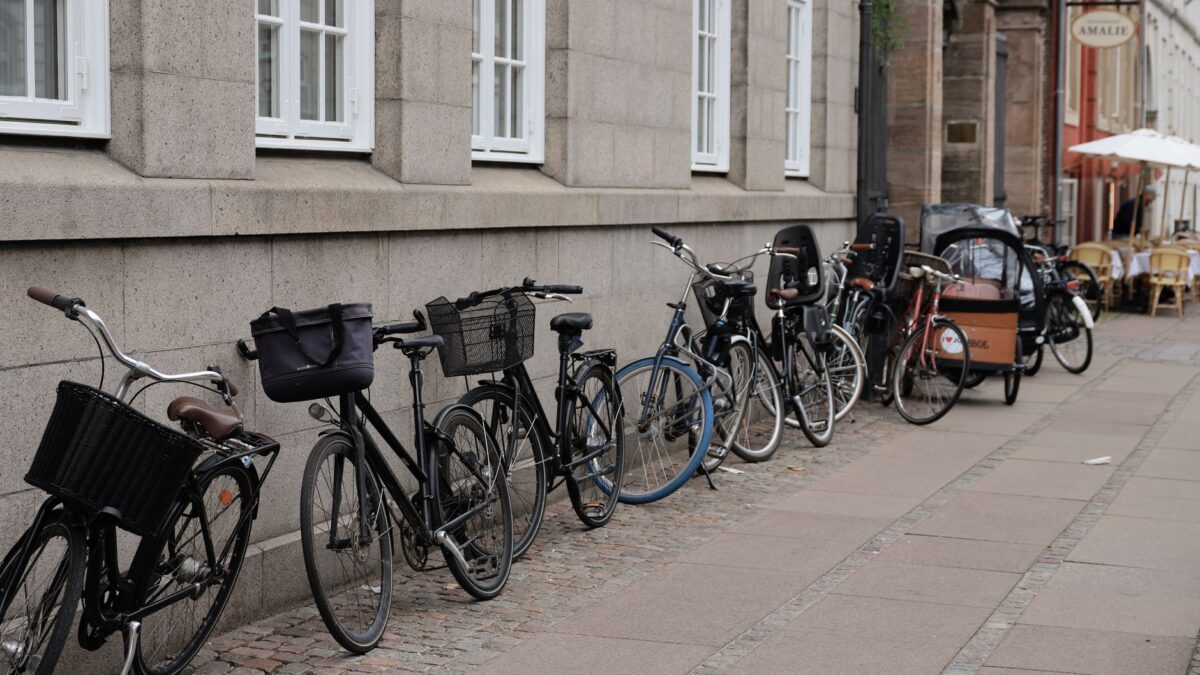
Copenhagen is a city built for two wheels and two feet. The centre is largely car-free, and you’ll see more cargo bikes than Teslas. As a visitor, you’ve got two official options: the City Pass (a 24-hour small pass costs about 80 DKK, covering zones 1–4) or the Copenhagen Card, which bundles transit and entry to 80+ attractions. If you’re only here for a long weekend and plan to visit three or four museums, the Card usually pays for itself — but do the maths with your own itinerary. For solo single rides, a one-zone metro/bus ticket is about 24 DKK. The Metro runs 24/7 — all four lines, M1 through M4 — so you can stumble out of a bar at 3 a.m. and be back at your hotel in ten minutes. Just remember to tap your card with the DOT billetter app or DSB app before boarding; a ride without a valid ticket carries a fine around 750 DKK. Not worth it.
If you’re staying more than three days, consider renting a bike — most hotels in Vesterbro and Nørrebro can point you to a shop. But always lock it, and I mean always. Bike theft is the city’s only real crime wave, and your shiny hire bike will be a target if you leave it unlocked outside a café.
Money: Kroner, Card, and the Truth About Prices
Denmark’s currency is the Danish krone (DKK), and the exchange rate hovers around 6.9 DKK per US dollar. So a 50 DKK cappuccino will set you back about seven bucks — yes, that’s steep, but you’ll get a damn good one. Cash is almost unnecessary; cards are accepted everywhere, including for a single apple at a farmers’ market. MobilePay is the universal payment app among locals, but as a tourist, your regular Visa or Mastercard will work fine — just make sure it’s chip-and-PIN.
Now, the real talk: Copenhagen is one of Europe’s priciest capitals. A modest one-bedroom flat in Vesterbro or Nørrebro rents for about 7,000–12,000 DKK a month — so don’t be fooled into thinking Airbnb is a budget hack. A mid-range hotel will run you 1,400–2,000 DKK a night (around $245). A simple meal at an inexpensive spot — a durum kebab or falafel wrap — will cost 100–150 DKK, and a sit-down dinner at a mid-range restaurant will be 200–400 DKK. You can find better value if you know where to look: the current darling of the food scene is the wave of new budget bistros serving a bavette with fries or a set lunch for under 200 DKK. And for a truly affordable feast, head to Reffen, the street-food market by the harbour, where most meals run 55–150 DKK.
By the way, if you’re planning to move here someday, that rental price is your reality check. But for a holiday? Budget about 800–1,000 DKK a day for food, transport and attractions, and you’ll be comfortable.
The Hidden Essentials: What First-Timers Wish They’d Known
1. This is a city of districts, and each has its own personality. You’ll want to sleep in Vesterbro (the old red-light district turned trendiest quarter, with the Meatpacking District, Istedgade’s street art, and the charming ‘Little Paris’ stretch of Værnedamsvej) or Nørrebro (multicultural, hip, with the Superkilen Park and the café-lined Jægersborggade). Christianshavn is the canalside beauty with houseboats and Christiania. Østerbro is upscale and family-friendly, with the vast Fælledparken and the Little Mermaid at Langelinie. Nordhavn is the future-facing harbour quarter, where you can walk on the rooftop of the Konditaget Lüders activity park. Each district is about 20 minutes’ walk from the next, so don’t hive off — just pick one base and wander.
2. The ‘must-see’ list is long, but here’s the cheat code. Skip the Little Mermaid if you’re short on time — she’s lovely, but she’s a 20-minute walk from the next nearest attraction, and she’s often covered in selfie-sticks. Instead, spend your time at Tivoli Gardens, which is 180 years old and transforms into a Garden & Flower Festival in late August (that runs 2026-08-29 to 09-13, so you might just miss it — but the rides and illuminations are always on). Book a table at the Andersen Hotel’s courtyard for a coffee before you ride the vintage rollercoaster. And don’t miss the National Museum of Denmark for a crash course in Viking history — it’s free on Wednesdays, I think, but check the website.
3. You’re in a world capital of New Nordic cuisine and craft beer — and yes, it’s worth the splurge. The restaurant that put Copenhagen on the culinary map, Noma, closed as a restaurant in 2022, but its spirit permeates every natural-wine bar and fermentation lab in Christianshavn. If you’re not dropping DKK 2,000 on a tasting menu, do what the locals do: hit a budget bistro for lunch (the set lunch at Maple Casual Dining is about 150 DKK and fantastic), then grab a local pilsner at a bar — expect to pay 60–75 DKK for a draught, but it’ll be one of the best you’ve ever had. Craft beer is everywhere, with breweries like Mikkeller and To Øl leading the charge.
4. Safety is a non-issue, but bike theft and Christiania’s rules are real. Copenhagen has one of the lowest violent crime rates in Europe. You can walk alone at night, and you should — the city is beautiful after dark. But lock your bike, and in Christiania, respect the community’s rules: no photography on Pusher Street, and don’t run. The vibe is peaceful, but it’s a different world than the rest of the city.
5. The S-tog will take you to the beach. Amager Strandpark and Svanemøllestranden are both within 15 minutes of the centre, and they’re clean, wide and perfect for a post-sauna dip (yes, Danes do sauna then sea). If you’re here in August, you’ll have no trouble finding locals doing exactly that.
The Final Word: Just Go
Denmark isn’t a country you visit — it’s a country you try on. You’ll pedal past the Round Tower, buy a cinnamon roll from a bakery in Nørrebro, and feel an absurdly pleasant sense of calm. That’s not jet lag; that’s the Danish welfare state working as intended. So book that Copenhagen Card, pack a light rain jacket, and come with an appetite for smørrebrød and good design. You’ll leave slightly poorer in the wallet but infinitely richer in the memory bank. Velkommen.
Frequently asked questions
What is the best time of year to visit Denmark?
Mid-August is ideal — warm (17–22°C), light rain, and the tail end of summer. Just be aware that Copenhagen Pride Week (Aug 8–16, 2026) brings large crowds and higher hotel prices; come after the parade for a calmer experience.
How many days do I need for Copenhagen?
Plan for 4–5 days to see the main sights (Nyhavn, Tivoli, Rosenborg, Christiania) and a day trip to Jægersborg Dyrehaven deer park. Add an extra day for Malmö, Sweden, via the Øresund Bridge.
How much does a meal cost in Copenhagen?
A cheap kebab or falafel will cost 100–150 DKK, while a mid-range restaurant dinner is 200–400 DKK. Look for budget bistros with set lunches under 200 DKK, or eat at Reffen street-food market where meals are 55–150 DKK.
Is Copenhagen safe for tourists?
Very safe regarding violent crime. The main nuisances are bike theft — always lock your bicycle — and inside Freetown Christiania, photography is banned on Pusher Street.
Do I need cash in Copenhagen?
No cards are accepted almost everywhere. You'll only need a small amount of DKK for a cash-only stall. MobilePay is universal among locals, but your own Visa/Mastercard works fine.
Things to do in Denmark
 Private Copenhagen Boat cruise in Scandinavian mahogany boat
 Sights & Gems: Medieval Copenhagen & Nyhavn with a local host
 Private Copenhagen Boat Tour: Landmarks and Hidden Gems
 Bon Appetit Escape Room
 Private Copenhagen Family Cargo Bike Tour
 2-Hour Private Copenhagen Segway Tour - Your own private group