

A week in Dakar on a mid-range budget
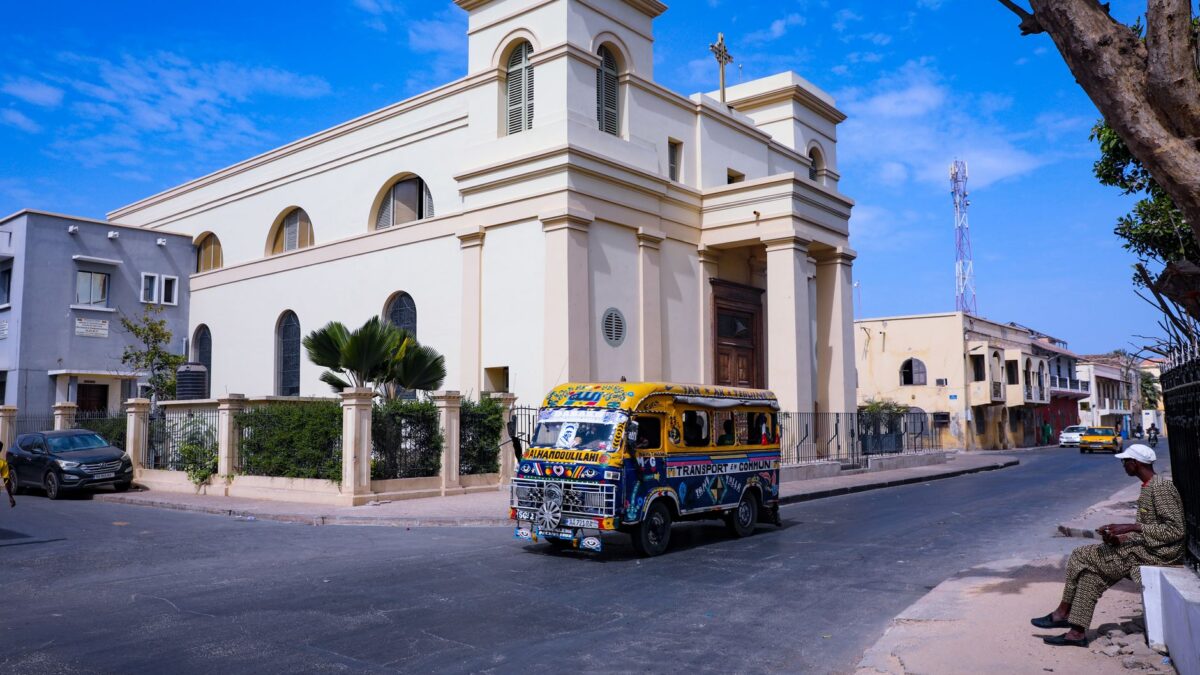
The air in Dakar in August is a warm, wet blanket that wraps around you the moment you step out of your guesthouse. It’s the heart of hivernage, and the city is lush and green, the streets suddenly dotted with puddles after a brief, violent downpour. The energy is electric — not just from the humidity, but from the countdown to the Youth Olympic Games. Murals by graffiti artist Madzoo are blooming on walls across the Plateau and Almadies, and there’s a buzz about the sold-out Positive Black Soul anniversary concert at the Grand Théâtre that still hasn’t died down. This is Dakar right now: a city of rhythm, rain, and relentless momentum. And the best part? You can experience it all without emptying your wallet.
Day 1: Settling In, Plateau & the Sea
Start your week in the Plateau, the historic and business heart. Book a room at a mid-range guesthouse like Maison Bonheur or Dakar Meublé — expect to pay around 30,000 to 65,000 XOF (about $50–$100) a night for a clean, comfortable room with air conditioning and Wi-Fi. After dropping your bags, walk to the Place de l’Indépendance and feel the city’s pulse.
For lunch, do as the locals do: find a canteen or a small spot near the market and order thieboudienne, the national dish of fish and rice. A generous plate will cost you between 1,000 and 2,500 XOF — and it’s the most delicious deal in town. In the afternoon, catch a ride on a Dakar Dem Dikk bus or a painted car rapide for 200–500 XOF and head west. The ride is an attraction in itself.
Spend the late afternoon at the Pointe des Almadies, mainland Africa’s westernmost tip. Watch the Atlantic crash against the rocks, then grab a cold Flag beer at a beach bar (about 1,000–2,000 XOF) as the sun sets. For dinner, try Restaurant La Terrasse (mains around 10,000–20,000 XOF) or, for a more local vibe, Chez Fatou near Ngor — a plate of yassa poulet will be a highlight.
Day 2: Gorée Island & Memory
Take the morning ferry from the Embarcadère de Dakar to Île de Gorée. The 20-minute ride costs about 2,500 XOF return (it’s cheap; the memory is priceless). Walk the quiet, car-free streets, visit the House of Slaves and its famous Door of No Return, and lose yourself in the island’s melancholy beauty. Have a simple lunch of grilled fish at a small terrace there (around 3,000–5,000 XOF).
Back on the mainland, avoid the heavy traffic by taking the TER regional train from the Plateau station toward Diamniadio for a quick 25-minute ride — a great way to see the new satellite city. In the evening, take a short taxi ride (negotiate 1,000–2,000 XOF) to the Médina district. Stroll past the Grande Mosquée and its 67-metre minaret, and soak in the vibrant street life. For dinner, find a spot near Tilène Market and try a local specialty — mafe or another hearty stew for a few hundred CFA.
Day 3: Markets, Museums & the Maddening Traffic
Today is for shopping and culture. Hit Sandaga Market early — it’s chaotic, colourful, and exactly what you came for. Bargain hard for wax print fabric (ankara/bazin) or leather sandals. Beware of pickpockets; keep your phone in a front pocket. Then, walk ten minutes to the IFAN Museum of African Arts — entrance is just a few hundred XOF (around 500) and the collection is superb.
After lunch at a local café like KOTAO Coffee or Coffee Loft Dakar (a cappuccino will run you 1,000–2,500 XOF), head to the Museum of Black Civilizations, a stunning architectural masterpiece. Through mid-August, it’s hosting a fascinating exhibition of ancient Chinese clothing (Ming Dynasty replicas) alongside Senegalese garments — don’t miss it.
In the evening, treat yourself to a nicer dinner at Casa Teranga or Le Cabanon Dakar — expect to spend around 10,000–20,000 XOF per person with a drink. Or, if you’re lucky, catch a concert at the Grand Théâtre National — there’s often something on.
Day 4: Lac Rose Adventure
Set aside a full day for Lac Rose (Lac Retba), the famous pink salt lake 35 km northeast of the city. Hire a taxi for the day (negotiate around 15,000–25,000 XOF including waiting time) or join a group tour. The lake’s colour is most vivid in the dry season, but even in August you’ll see a hint of pink. Take a 4×4 ride along the shore (they’re everywhere) and see the salt gatherers at work. A simple lunch at a lakeside camp runs 3,000–5,000 XOF.
Back in Dakar by late afternoon, stop at the African Renaissance Monument on the hill — entrance is a few hundred XOF, and the view over the city and the sea is unbeatable. For dinner, keep it easy: a big plate of ceebu jen from a street vendor (you’ll know which ones are good — follow the crowd).
Day 5: Ngor & the Surfer Vibe
Today is for the coast. Take a car rapide or a taxi to Ngor, the former fishing village turned bohemian surf hub. Rent a board if you’re keen (ask around, prices are negotiable), or simply watch the surfers from a beachside spot. Cross to the Île de Ngor on a pirogue — a 2-minute ride that costs a few hundred XOF. It’s a slice of village life minus the cars.
For lunch, try Grill Time Dakar — they do great grilled fish. Later, browse the craft stalls at Soumbédioune Fish Market (a bit touristy, but good for souvenirs). In the evening, join the crowds at the Maison de la Culture Douta Seck in Médina if there’s a concert or drumming session — often free or very cheap. It’s a true local experience.
Day 6: The Expat Triangle & a Day of Rest
Explore the greener, quieter ‘expat triangle’ of Mermoz, Sacré-Cœur, Fann, and Point E. These are the secure, leafy neighborhoods near the university and clinics. Spend the morning at a café like ILEA Café or Halo — great for people-watching. Have a leisurely lunch at a local canteen (remember: 1,000–2,500 XOF for a rice dish).
In the afternoon, visit the Phare des Mamelles lighthouse — climb to the top for 360-degree views. If you’re in the mood for history, the Musée International sur la Biographie du Prophète (PSL) is a beautiful and peaceful space. For dinner, try Kotao Coffee Plateau for a light bite, or treat yourself to one last nice meal at Azalaï Hôtel Dakar’s restaurant (mains around 15,000–25,000 XOF).
Day 7: Yoff & Farewell
On your last day, head to Yoff — the coastal, authentic fishing village. It’s markedly cheaper than Almadies, and you’ll see the real rhythm of Senegalese life. Watch the colourful pirogues come in with their catch, greet the elders, and buy fresh bread (a 500g loaf is about 500–700 XOF) and a litre of milk (around 1,100–2,300 XOF) to make breakfast. Spend your last hours on the beach, then grab a Yango or Heetch ride to the airport — a fixed-price taxi from the city to Blaise Diagne (DSS) runs about 12,000–22,000 XOF.
What Did It Cost?
Here’s a rough idea of your week, assuming you’re not splurging every night:
- Accommodation (7 nights, mid-range): 210,000 – 455,000 XOF
- Food (street food + a few sit-down meals): 60,000 – 90,000 XOF
- Transport (bus, car rapide, a few taxis): 5,000 – 15,000 XOF
- Activities (Gorée ferry, museum entries, Lac Rose trip): 10,000 – 25,000 XOF
- Total: roughly 285,000 – 585,000 XOF (around $470 – $960)
Of course, you can spend more (Almadies villas, upscale restaurants) or less (hostels, all-street food). But this budget gives you a real, immersive, and comfortable Dakar experience.
Practical Notes
Get a local SIM from Orange or YAS at the airport — about 5,000 XOF for 7GB. Download Yango for transparent taxi pricing. And remember: August is hot (28–32°C, feeling like 38°C) and humid — carry water, and don’t be surprised by a sudden downpour. That’s Dakar: it cleans the streets and brings the city alive.
One last thing: with the Youth Olympic Games hype and a busy festival calendar, book your accommodation in advance if you can. Dakar in August is not for the shy — it’s for the curious, the hungry, and the open-hearted. You’ll leave with sand in your shoes and rhythm in your bones.
Frequently asked questions
How much does a meal cost in Dakar?
A plate of thieboudienne at a local canteen costs about 1,000–2,500 XOF. A meal at a mid-range restaurant will run 10,000–20,000 XOF per person.
Is it safe to use public transport in Dakar?
Yes, use Dakar Dem Dikk buses and car rapides for 200–500 XOF per ride. Be mindful of pickpockets in crowded markets and keep valuables secure.
What is the best way to get from the airport to the city?
A fixed-price taxi from Blaise Diagne Airport (DSS) to central Dakar costs around 12,000–22,000 XOF. Negotiate before getting in.
Do I need a visa for Senegal?
US, UK, and Canadian citizens enter visa-free for stays under 90 days. Other nationalities should use Senegal's e-visa portal in advance.
What is the currency and how much is a dollar worth?
The currency is the West African CFA franc (XOF). Roughly 606 XOF equals 1 US dollar. Carry cash for small transactions; cards work at hotels and nicer restaurants.


