

A week in Tallinn on a mid-range budget
The rain is tapping the window of my favourite coffee roastery on Kopli tänav as I watch a tram slide past, its windows fogged with August breath. Outside, Kalamaja’s wooden houses glow the colour of bruised plums, and the smell of chanterelles from Balti Jaama Turg drifts up the street. You’ve landed in Tallinn for a week, and I’m going to tell you exactly what that costs — not in vague “budget-friendly” platitudes, but in euros, kroner-free, with the kind of specifics you’d get from a friend who lives here. Because I do. Let’s walk.
Day 1: Settling in — Old Town, a medieval feast, and your first €2 tram ride
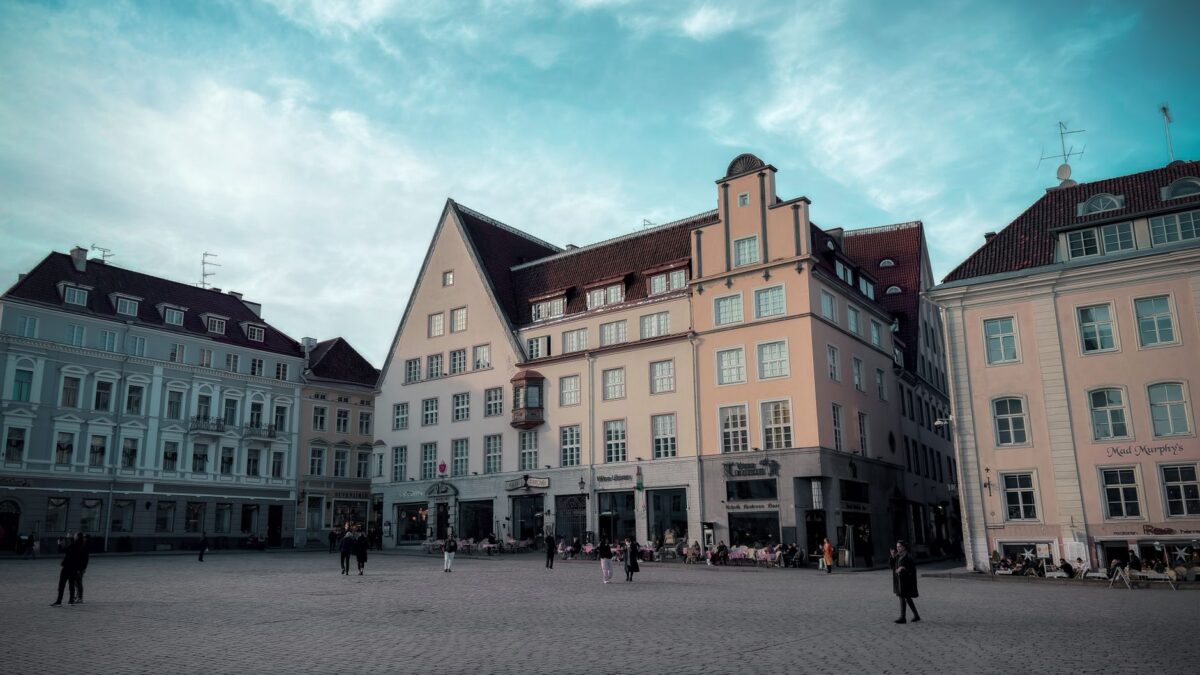
You’ll likely arrive mid-morning, groggy from a ferry or a flight, and your first real encounter with Tallinn will be the cobblestones of Vanalinn — the UNESCO Old Town. It’s a living museum: 1.9 kilometres of city wall, twenty towers, and the Gothic Raekoda (Town Hall) presiding over Town Hall Square. Don’t be shy about the crowds — the cruise ship day-trippers are already here, but they’ll thin out by 5pm.
Where to stay: I’d book a mid-range double at the Meriton Old Town Garden Hotel or Bob W Tallinn Kesklinn — you’ll pay around €70–€90 a night, which gets you a clean, quiet room with a real bed, not a hostel bunk. If you want something calmer, GO Hotel Shnelli sits right next to the old city wall and runs about €60–€75. For a week, that’s roughly €420–€630.
First meal: Head to Restaurant Rataskaevu 16 for lunch. It’s the most reliably delicious spot in the Old Town — order the elk or the mushroom soup and you’ll pay around €15 for a hearty meal, plus a €3.50 cappuccino if you’re that kind of person. (I am.) That’s your first taste of the local price level: a proper sit-down lunch for less than a burger in Oslo.
Transit: You’ll need a Ühiskaart card (€3, at any R-Kiosk or pilet.ee) — or if you’ve got a contactless bank card, just tap it on the validator and pay €2 for a 1-hour ticket. Your first ride on the tram from the harbour to the Old Town is €2, and it’s worth every cent just to see the skyline tip away from you. If you’re staying a full week, buy the 72-hour pass for €9 — it covers all trams, buses, and trolleys, and you’ll easily break even by day three.
Day 2: Kalamaja, Telliskivi, and the food trucks that might actually happen
Today, escape the Old Town’s tourist honey-pot and cross the railway tracks into Kalamaja — the hip, bohemian district of colourful wooden houses that’s been the city’s creative heart since the 2000s. Start at Balti Jaama Turg, the old market hall that’s now a food hall with stalls selling wild blueberries (they’re in season, and they’re tiny and electric) and fresh chanterelles. A small punnet of blueberries costs about €2; a coffee at Kofeman Cafe is €3.50. If you’re here on a weekend, you might catch the Tallinn Food Truck Festival (usually early August) taking over the Telliskivi Creative City complex — that’s the former factory yard with street art, vintage shops, and the best people-watching in town.
For lunch, try Farm — the name says it all: hearty Estonian comfort food in a rustic setting, with a main dish around €15. Or go for a street-food crawl at the festival and spend €8–€10 on a pulled-pork sandwich and a local cider. Dinner tonight could be a splurge: Restoran Olde Hansa is the touristy-but-genuinely-fun medieval-themed restaurant where you’ll eat elk sausages and honey beer by candlelight. A two-course meal for two with drinks will run you about €70–€80 — that’s the mid-range mark, and it’s worth it once.
Cost of the day: €25–€40 per person, depending on how many crafts you buy at Telliskivi.
Day 3: Museums, marzipan, and a Soviet submarine
Start with coffee at Kodu Coffee Roaster on the edge of the Old Town (€3) before heading to the Seaplane Harbour (Lennusadam) — the Estonian Maritime Museum inside the tsarist-era seaplane hangars. It’s the best museum in the city, hands down, and entry is about €12. The star is the 1930s submarine Lembit, which you can actually climb inside. After that, walk along the harbour to the Estonian Maritime Museum – Fat Margaret (about €8) — it’s smaller but charming, with a great view from the tower.
For lunch, grab a table at Restaurant & Bar Kolm Sibulat (Three Onions) near the Old Town — a solid mid-range choice with mains around €15–€20. Then make a pilgrimage to Cafe Maiasmokk on Pikk Street (since 1864) for their legendary marzipan — this is where the confection was invented, and a small marzipan figure costs around €4. If you have time, squeeze in Kadriorg Art Museum (baroque palace, €10) or the Estonian Art Museum (KUMU) — the latter is a superb introduction to Estonian art, including Soviet-era nonconformist works; entry is about €12. Both are a 20-minute tram ride from the centre; your 72-hour pass covers it.
Daily total: roughly €50–€60 with two museum entries and meals.
Day 4: The Song Festival Grounds, a night run, and the politics of freedom
This week is packed with anniversary energy — in nine days, Estonia celebrates the Day of Restoration of Independence (August 20th), and the city has a quiet, proud hum. Walk to the Tallinn Song Festival Grounds (Lauluväljak) — the birthplace of the Singing Revolution and the home of the every-five-years Song Celebration. Entry to the grounds is free; the open-air stage is massive and slightly eerie in its emptiness, but it’s the emotional core of the nation. If you’re lucky, you’ll catch a rehearsal for a concert — check the site, because this week sometimes features The Cure (I’ll be there, probably) or another big act at the Unibet Arena Quarter. Ticket prices vary wildly, but a standing ticket for a big act is usually €60–€80 — if that’s your thing, book ahead.
In the evening, if you’re feeling athletic, you could join the Ülemiste Night Run (usually mid-August, €20–€30 registration) through the tech district — it’s a fun, neon-lit 10K through streets and parking garages that otherwise feel soulless. Or do what I do: watch from a bar with a €5.75 local draught and cheer on the runners from a distance. For a cheap dinner, pick up bread (€1.10), milk (€1.30), and some local cheese at a supermarket (Rimi or Selver) and make a picnic in Kadriorg Park. Total today: €0 if you skip the concert, €30–€90 if you don’t.
Day 5: Coastal escape — Pirita and the ruins of St. Bridget’s
You need a break from museums, so take the tram #6 to the end of the line and walk down to Pirita — a seaside district with a long promenade, a marina, and the haunting ruins of the 15th-century St. Bridget’s Convent (free to wander). The air smells of pine and salt. If it’s warm enough, swim off the beach — locals do it year-round, but August is actually pleasant. For lunch, there’s a small café near the beach where a soup and a bun costs about €8, or you can pack your own picnic. On your way back, stop at the Tallinn TV Tower (entry €10) for a panoramic view (up to the Finnish coast on a clear day — though with this week’s forecast, you’ll likely see clouds).
In the evening, treat yourself to a proper dinner at KOGU Resto in the Old Town — a modern place that does creative, seasonal Estonian cooking. Two courses for two will set you back about €70–€80. That’s your mid-range splurge. Today’s total: €25–€45 per person.
Day 6: Nõmme’s forest cathedral and a farewell sauna
Take the suburban train from Baltijaam (€2.50 one way) or a bus (€2) to Nõmme — the “garden city” of pine forests and wooden villas. Walk through the Nõmme–Mustamäe Landscape Protection Area to the Glehn Park, where a giant bronze physicist, a crocodile, and a dragon stand in the woods like a fever dream. It’s a quiet, green morning, and you’ll feel like you’ve left the city entirely. After your hike, stop at Nõmme Market for a cheap lunch — a kebab or a crepe costs €5–€7, and the blueberries are even cheaper than downtown.
Back in the centre, the afternoon is for retail therapy: the Rotermann Quarter is a converted industrial district full of design shops and cafés, and Paper Mill Coffee is a great place for a €3.50 flat white. For your final evening, treat yourself to a sauna experience — the city has several public saunas (try the one at the Kalev Spa, around €25 for a day pass) where you can sweat out the week’s rain. Then one last dinner at Rataskaevu 16, because you’ll want to go back. Today: €25–€50.
What the week actually costs — the honest number
Add it up: accommodation €420–€630, food and drink €30–€50 per day (€210–€350), transport €9 for the 72-hour pass plus a few extra €2 rides (€15–€20), museums €30–€50, and any extras (a concert ticket, a sauna, a craft purchase) €30–€90. That puts you at €700–€1,150 for a solo traveller, or €550–€850 per person if you’re sharing the hotel room. That’s a mid-range European capital, but with better food and more soul than most. And if you’re feeling flush, remember that registered Tallinn residents ride public transit for free — a quirk that should make you consider a longer stay, a digital nomad visa, and a flat in Kalamaja. Prices are in euros, and the exchange rate works in your favour if you’re coming from dollars or pounds. So come, get rained on, eat chanterelles, and let the Singing Revolution echo in your ears. You’ll leave with change to spare.
Frequently asked questions
How much does a week in Tallinn cost for a mid-range traveller?
A solo mid-range week costs roughly €700–€1,150, including a mid-range hotel (€70–€90/night), daily meals (€30–€50), transit (€9 for a 72-hour pass plus small extras), and museum entries (€8–€12 each).
What does public transport cost in Tallinn as a visitor?
A single 1-hour ticket costs €2 when you tap a contactless bank card or use a Ühiskaart transit card. A 72-hour pass is €9, and a 30-day non-resident pass is €30. Registered Tallinn residents ride for free.
How much is a typical meal in Tallinn?
An inexpensive local restaurant meal is around €15, while a mid-range two-course dinner for two runs €60–€80. A draught beer in a pub costs about €5–€5.75, and a cappuccino is €3–€3.50.
What is the best area to stay in Tallinn on a mid-range budget?
I recommend Meriton Old Town Garden Hotel (€70–€90/night) for proximity to the Old Town, or Bob W Tallinn Kesklinn for modern apartments. GO Hotel Shnelli offers a slightly cheaper option near the city wall.
What are the must-see attractions in Tallinn for a week?
Don't miss the Seaplane Harbour (Lennusadam) for the submarine Lembit, KUMU for Estonian art, Kadriorg Palace, the Tallinn Song Festival Grounds, and a walk through Kalamaja's wooden houses. Entry to most museums is €8–€12.


