

Brazil etiquette: the dos and don’ts
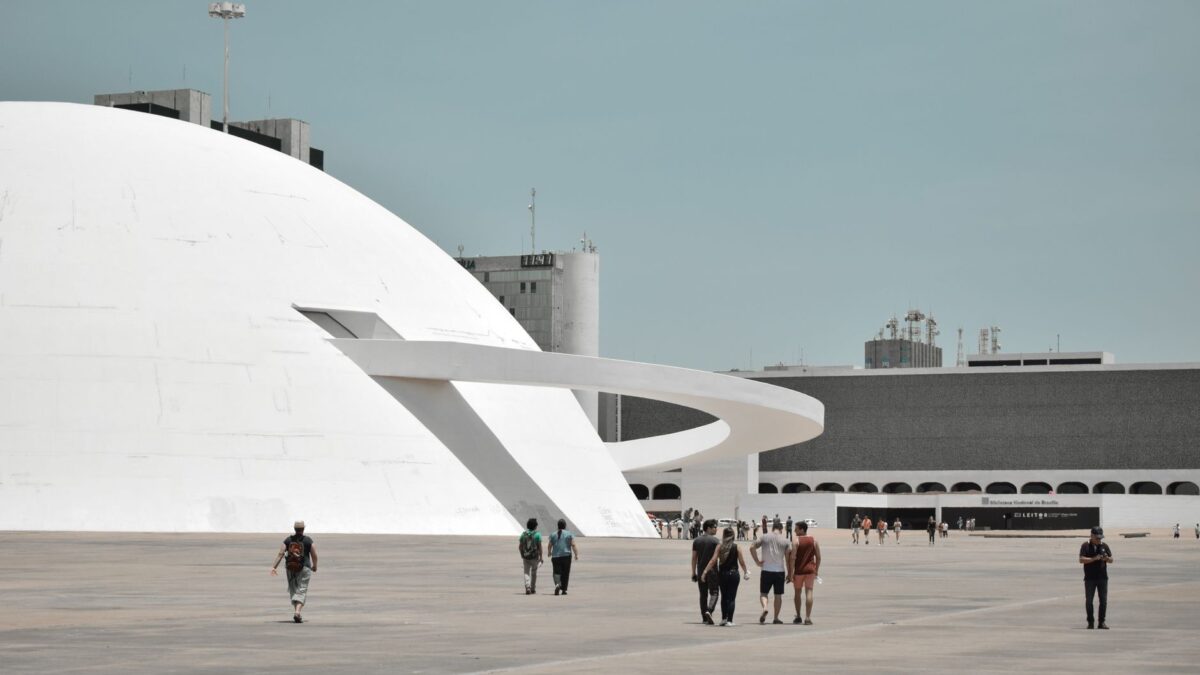
August in Brasília means dry air, golden light, and the city’s cultural calendar hitting full throttle. You might land during the grape harvest festival in Planaltina, hear taiko drums echoing from the Shin Budista temple, or find yourself caught in a political campaign rally—because yes, the capital is already buzzing with 2026 election energy. But before you dive into the chaos and beauty of this airplane-shaped city, let’s talk about the unspoken rules that make Brazilians warm to you instantly—or, if you ignore them, quietly judge you.
Greetings: The Kiss, the Hug, the Look
In Brasília, you’ll be greeted with a kiss on the cheek—but not always. The rule of thumb: one kiss, right cheek to right cheek, with a light air-kiss sound. In more formal settings (think a government building or a business meeting), a firm handshake with direct eye contact is the norm. Among friends and at casual spots like the Feira do Guará, expect a hug or a pat on the back if you’re male.
Here’s the nuance: Brazilians stand close. Personal space is smaller than in northern Europe or the US. Don’t back away—that reads as cold. Also, never greet with a “hey” or a quick nod; take 30 seconds to ask “Tudo bem?” (all good?) and actually listen to the answer. It’s not small talk; it’s the foundation of trust.
In the Plano Piloto, where politicians and diplomats mingle, you’ll notice that titles matter. Address someone as “Doutor” (even if they’re not a doctor) or “Senhor/Senhora” until invited to use first names. That invitation comes fast, but never assume it on the first meeting.
Tipping: Rounding Up, Not Percentage Obsessing
Brazilian tipping culture is refreshingly relaxed. In restaurants, a 10% serviço is usually added to the bill—check the bottom before you add anything. If it’s there, you’re done. If not, rounding up to the nearest R$5 or R$10 is generous. For a per-kilo lunch at a comida por quilo spot (around R$30 a plate), leave loose change if the service was friendly.
For tour guides, taxi drivers, and hotel staff, tipping is not expected but appreciated—R$5 to R$20 depending on the service. At the Feira da Torre artisan market, don’t tip; instead, haggle politely (a 10% discount is the norm) and buy something. That’s the local way.
Dining Manners: The Table Is a Social Contract
Brazilians eat with a knife in the right hand, fork in the left—continental style. But the real rule is this: you never rush a meal. Lunch is a sacred break, often lasting an hour or more. In Brasília, the comida por quilo places fill up between noon and 2pm, and it’s perfectly fine to linger over a guaraná or a cafezinho.
Do not start eating before everyone at the table has been served. And when you’ve finished, place your cutlery parallel across the plate—that signals “done” and prevents the waiter from clearing mid-conversation. If you’re invited to someone’s home, bring a small gift: a bottle of wine, a dessert, or flowers. Avoid yellow flowers (they symbolize separation) and never bring a dish to “share” unless asked—it can be seen as implying your host’s cooking isn’t enough.
Drinking: beer is served ice-cold, often in 600ml bottles, and it’s customary to pour for others before yourself. If someone raises a glass and says “Saúde!” (health), look them in the eye. That’s non-negotiable.
Dress: Smart-Casual Is the Secret Password
Brasília is not Rio. You won’t see flip-flops at a nice restaurant. The dress code is “social” —which means men wear collared shirts and closed shoes for dinner, and women opt for elegant but not flashy outfits. In Asa Sul’s upscale steakhouses like Vasto Restaurante, jeans are okay if paired with a blazer or a nice top. At the Pontão do Lago Sul, sunset views call for smart-casual—think linen shirts and summer dresses.
During the day, you’ll be fine in shorts and t-shirts for sightseeing, but avoid wearing swimwear or gym clothes in public spaces beyond the pool or gym. And note: Brasília’s winter (now) is dry and mild, with temperatures around 20–29°C. Layers are your friend—mornings can be cool, afternoons warm.
Small Customs That Matter
- Punctuality: For social events, arriving 15–30 minutes late is acceptable—even expected. But for business meetings or a booking at a restaurant (like a table at the Naoum Hotel), be on time. The exception: if you’re meeting a politician or a diplomat, arrive early.
- Personal space on public transit: The metro shuts down around midnight, so you’ll likely take an Uber or 99. In buses, offer your seat to the elderly, pregnant women, or anyone with a child. It’s not just polite; it’s the law.
- Pix, not cash: Brasília is a cashless city. For everything from a pastel at the Feira da Torre to a monthly rent (around R$2,500 for a one-bedroom in the centre), you’ll use Pix—instant transfers that require a CPF. If you’re a tourist, bring a card with a chip and a pin; contactless is accepted in most places.
- The “Brasília” bubble: Locals joke that the city is a “company town” for the federal government. Avoid loud political opinions unless you know your company—the city is split, and the 2026 campaign season is heating up. Instead, bond over the city’s quirks: the twin towers of Congress, the igrejinha, or the capybaras by Lago Paranoá.
- Festival generosity: If you’re at the Feira Nacional da Uva e do Vinho, bring a kilo of non-perishable food for free entry. Or at the Bienal Internacional do Livro, don’t be shy to ask authors for a dedicatória (book dedication) —it’s part of the culture.
When in Doubt, Smile
Brazilians forgive a mispronounced “obrigado” (men say obrigado, women obrigada—don’t mix them up) or a fumbled handshake. What they don’t forgive is arrogance or rushing. Slow down, sip your coffee, and let the conversation drift to football, the cerrado sunsets, or the best pamonha at Feira do Guará. That’s how you’ll leave Brasília not as a tourist, but as a temporary candango—the name given to the workers who built this city in 41 months. And that’s a badge of honor.
Frequently asked questions
Do I need to tip in restaurants in Brazil?
Most restaurants add a 10% service charge to the bill. Check before tipping extra—if it's there, you're done. If not, rounding up is polite.
Is it okay to wear shorts in Brasília?
During the day, yes, for sightseeing. But for dinner or upscale venues, opt for smart-casual—collared shirts, dresses, or nice jeans. Brasília is more formal than Rio.
How do I greet someone in Brasília?
A kiss on the cheek (right to right) is common among friends. For business, a firm handshake with eye contact. Use 'Doutor' or 'Senhor' until invited to use first names.
Can I use my foreign credit card in Brasília?
Yes, but Pix (instant local transfer) is widely used. For card payments, ensure your card has a chip and PIN. Cash is rarely needed, but keep small notes for street vendors.
What's the best way to get around Brasília at night?
The metro shuts down around midnight. Use ride-hailing apps like Uber or 99, which are reliable and safe in the Plano Piloto area.
Things to do in Brazil
 Private Transfer from Guarulhos to São Paulo
 Private Boat Trip - Closed Group Whelk Frame by Drumond I
 Taxi from Guarulhos Airport to São Paulo.
 Half Day Hiking Tour Morro Dois Irmaos and Favela Vidigal
 Quadricycle Tour to the Hills with Off Road 15km - 2 people
 Transfer Fortaleza to Jericoacoara for up to 4 people