Germany etiquette: the dos and don’ts
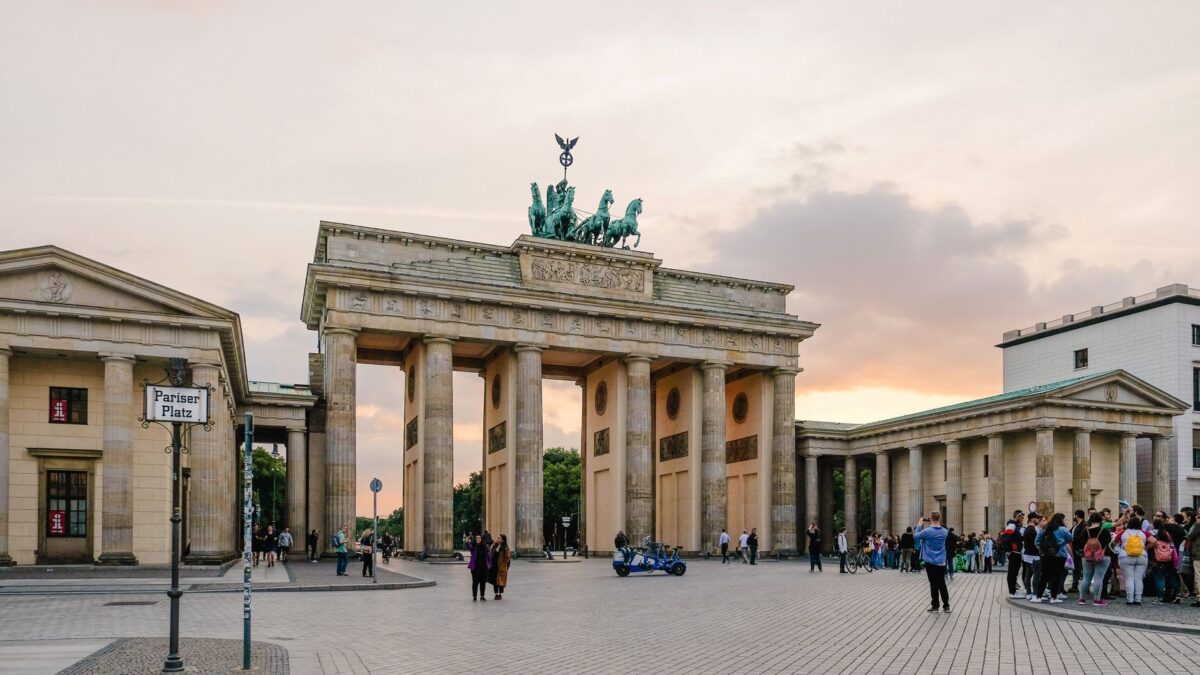
The first thing you notice, stepping off the U-Bahn at Kottbusser Tor on a warm August evening, is that nobody is in a hurry. The air smells like döner grease and plum jam from the Markthalle Neun, a group of teenagers is playing music from a Bluetooth speaker near the canal, and an elderly woman is scolding a young man for putting his feet on the seat—in a calm, matter-of-fact way that somehow isn’t rude. That’s Berlin in a nutshell: direct, but not unkind. And if you want to fit in without stepping on toes, you need to learn the small, unspoken rules that make this city tick.
Greetings: The Art of the Direct ‘Hallo’
Forget the stereotypes about stiff handshakes and bowing. In Berlin, a simple, eye-contact-accompanied “Hallo” or “Guten Tag” (in shops or with strangers) is the norm. You don’t need to be overly formal, but a lazy, mumbling greeting will get you a raised eyebrow. When you enter a small café or a Späti (the corner stores that stay open late), it’s customary to greet the staff as you walk in—a quick “Moin” (especially in the north) or “Tag” works wonders. And if you’re meeting someone for the first time, the handshake is back—firm, brief, and always with the right hand. Avoid the American habit of asking “How are you?” as a rhetorical question; if you ask, be ready for an honest answer. The closer you get, the more likely people will switch to the informal “du” rather than the formal “Sie”, but let them make that move first.
Tipping: Rounding Up, Not Bulk
Tipping in Berlin is a gesture of appreciation, not an obligation. There’s no 20% rule; you simply round up to the nearest euro or add about 5–10% for good service. When you pay by card (which is common even at street food stalls), the server will often ask “Möchten Sie ein Trinkgeld?”—they’ll name an amount, and you can say yes or adjust it. If you’re paying cash, just tell them the total amount you want them to take, e.g., “€22” for a €20 meal. A good rule of thumb: at a mid-range restaurant where a meal costs around €20–40, leaving €2–3 is perfectly polite. For a döner or currywurst at €4–7, just leave the small change. Don’t tip your bartender per drink at a bar; instead, you can round up at the end of the night. And for taxis, rounding up to the nearest €2–3 is standard. The only place where tipping is rare is at the counter of a bakery or a supermarket—here, you simply pay the exact amount, and no one expects anything extra.
Dining Manners: The Long Table and the Picky Payer
Berliners take their food seriously, but not pretentiously. When you enter a restaurant, wait to be seated—don’t just grab a table. Your server will bring the menu, and you can signal them with a polite “Bitte?” or a subtle nod; shouting or snapping is a major faux pas. When your food arrives, it’s customary to say “Guten Appetit” (or a simple “Komm, essen wir!” in casual settings) before digging in. Don’t start eating until everyone at your table has their plate—especially if they’ve said the blessing. When the bill comes, it’s common to pay individually, or at least explicitly state how you’d like to split it. Saying “Wir zahlen getrennt” (we pay separately) is perfectly normal, and they’ll bring separate receipts. There’s no such thing as someone “grabbing the bill” unless they’ve clearly said so—it’s all transparent, and arguing to pay is less of a thing than in other cultures. Also, note that tap water is not usually brought to the table unless you ask for it, and even then, you’ll likely get a bottle of sparkling water (with gas) for around €3.50–4.50. If you want still water, specify “Leitungswasser” (tap water) — but be aware that some servers may raise a brow, as it’s not the norm to serve it for free in sit-down restaurants; it’s fine to ask, but don’t be offended if they charge a small fee.
One local quirk: many places (especially in Prenzlauer Berg or Friedrichshain) are cash-only, even in 2026. While cards are more common now, it’s wise to carry a small amount of cash (around €50) for the Späti or the flea market on Boxhagener Platz. And if you’re dining at a Markthalle Neun on Thursday night for street food, expect a crowd and shared tables—the communal seating makes it easy to chat with strangers, and it’s completely normal to strike up a conversation with your neighbor about the best stall.
Dress Code: Casual but Put-Together
Berlin is famously relaxed about fashion; you’ll see everything from business suits to full latex on the U-Bahn. The unwritten rule is that you should look like you made an effort, but not too much of an effort. For a normal day exploring the city, jeans (or shorts in August, as the weather hits 13–25°C), a t-shirt or light jumper, and comfortable shoes are perfect. Don’t bring out anything too flashy—this is a city that values substance over show. For a nicer dinner or a night at the Philharmonie, men might add a blazer and dress shoes, but a leather jacket and clean sneakers will also pass. In the summer, the rule of “no socks with sandals” is actually a thing—while some tourists do it, locals rarely do, and if they do, they’ll get a look. Also, be mindful of dress codes at clubs like Berghain—if you’re planning to go, wear black and minimal branding, but never wear a suit; security will likely turn you away if you look too “touristy.” The key is to blend in: dark colors, no big backpacks, and avoid wearing a soccer jersey unless you’re at a match.
Small Customs That Matter
Berlin runs on public transport, so here’s your etiquette cheat sheet: validate your ticket before boarding (you can buy a single fare for around €4.00 at the yellow machines or on your phone), and remember that riding without a valid ticket can cost you €60 if you’re caught. On the U-Bahn, offer your seat to someone who’s elderly, pregnant, or otherwise struggling—it’s not just polite; it’s expected. And don’t be the person who blocks the doors or stands on the left side of the escalator (you walk on the left, stand on the right, unlike many other countries). When you leave the train, let people off before you push on—this is a cardinal rule.
Other small customs: when you cross the road at a red pedestrian light, even if the street is empty, you will get disapproving looks—jaywalking is seriously frowned upon, especially if children are around. And while it’s okay to photograph the East Side Gallery, it’s illegal to use flash inside the Alte Nationalgalerie or other museums—always check for signs. If you’re visiting the Reichstag’s glass dome, remember that it’s free but you must book in advance; plan ahead, or you’ll miss out. And if you’re at a park like Tempelhofer Feld, you can grill and have picnics, but always clean up after yourself—leaving litter is a huge breach of etiquette. The same goes for lakeside spots like Wannsee or Grünewald; the weekend crowds are friendly, but they’ll judge you if you leave a mess.
Festivals, Transit, and the Sinking Museum
August in Berlin means festival season, and the city is buzzing with good vibes. If you’re here on the 13th–29th, don’t miss Tanz im August, a dance festival across 11 venues, including the Berlinische Galerie and Sophiensæle—it’s a great way to see avant-garde theater without the typical tourist crowds. And through the 16th, the Berlin Circus Festival is still running at its site with a Catalan focus—perfect for families or anyone who loves a good acrobatic show. But be careful with your itinerary: the Stadtbahn is closed to regional and long-distance trains between Charlottenburg and Ostbahnhof until December, so the S-Bahn is noticeably more crowded through the city center. If you’re heading to BER airport, be aware that from 18 August, S9 and S85 will have replacement buses between Schöneweide and Treptower Park—plan an extra 30 minutes. Also, you might have heard that the Altes Museum on Museum Island is slowly sinking and has cracked walls due to construction next door; it’s still open, but don’t be surprised to see scaffolding. The museum will get a full renovation in the 2030s, so it’s a good time to visit before that happens.
When in Doubt, Ask
Above all else, the golden rule of German etiquette is: when you’re unsure, just ask. Berliners appreciate directness and honesty over tip-toeing. A sincere “Entschuldigung, könnten Sie mir bitte helfen?” (Excuse me, could you help me?) will open doors. And if you accidentally break a rule—say, you forgot to validate your ticket or you tried to photograph a museum exhibit—apologize in German (“Es tut mir leid”) and you’ll likely leave with a smile and a nod. The city is vast, messy, and utterly wonderful, and its customs are designed to keep things respectful, smooth, and unpretentious. So get out there: grab a döner for €7, hop on the U-Bahn, sit by the Landwehrkanal, and let the late sun warm your face. You’ll be a Berliner in no time.
Frequently asked questions
Is it true you should validate your train ticket before boarding in Berlin?
Yes, absolutely. You must validate your ticket before boarding any U-Bahn, S-Bahn, tram, or bus. Riding without a valid ticket can result in a €60 fine, even if you appear to be heading to the airport.
How much should I tip at a restaurant in Berlin?
Round up the bill or add about 5–10% for good service. For a meal costing €20, you'd say '€22' and the server will take that amount. No need to tip 20% like in the US.
Can I pay by card everywhere in Germany?
Not everywhere. Many small shops, Spätis, and some restaurants are cash-only. It's best to carry €50–100 in cash, but major supermarkets, chains, and most cafes accept card.
Is it rude to ask for tap water in a Berlin restaurant?
It's not rude, but it's uncommon. You'll usually be served bottled water (sparkling by default). If you specifically want tap water, ask for 'Leitungswasser'—some places may charge a small fee, but it's your right to refuse bottled water.
Are there any dress codes for clubs in Berlin?
Not formal, but clubs like Berghain have a strict 'no tourist look' policy. Avoid wearing suits, flashy logos, or carrying large backpacks. Black, casual, and understated is your best bet.
Things to do in Germany
 Special offer
Neuschwanstein & Linderhof Castle Luxury Private Tour from Munich
Special offer
Neuschwanstein & Linderhof Castle Luxury Private Tour from Munich
 5hours: Guide, Chauffeur & Photographer in Berlin private Tour
 Bodyflying & Indoor Skydiving at FlyStation Munich
 Likely to sell out
Alsace wine tour and medieval villages. Small group guided tour
Likely to sell out
Alsace wine tour and medieval villages. Small group guided tour
 2 hours Segway Elbe Mini Tour
 Special offer
Third Reich Walking Tour Munich - Nazi Origins - Max.16 per group
Special offer
Third Reich Walking Tour Munich - Nazi Origins - Max.16 per group