

Japan in August 2026: what travelers should know now
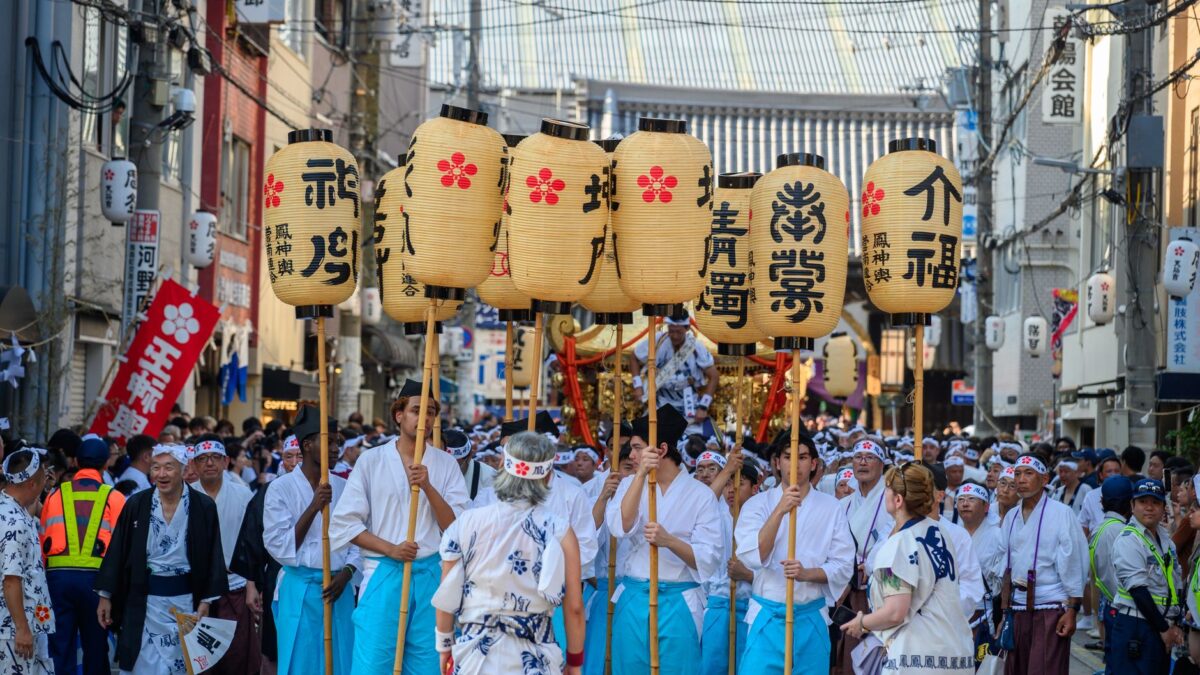
The air is thick, cicadas are screaming, and the yukata-clad crowds are spilling out of the lantern-lit arcades of Asakusa. It’s mid-August in Tokyo, and we are in the glorious, sweaty heart of the festival season. The rain that’s been falling on and off all day—about 30mm over the past 13 hours—isn’t dampening the spirits; it’s just adding a layer of humidity to the 27°C air that feels like 33°C. The days are long (sunrise just after 5am, sunset gone 6:30pm), and the city is buzzing with the final push of the summer matsuri before the Obon holiday. This is the summer you came for, so let’s dive into what’s happening right now and what to expect in the coming weeks.
Weather & Post-Obon Packing
This week’s weather is classic August: humid, in the low-to-mid 20s by the thermometer but feeling significantly hotter in the city’s concrete canyons. Expect intermittent rain—we’ve seen 30mm fall over the last 13 hours, which is a typical downpour that clears as quickly as it comes. Sunscreen, a quick-dry towel, and a lightweight, breathable hat are non-negotiable. A compact umbrella is your best friend; you’ll use it for both the sun and the sudden showers.
Packing tip: skip the heavy denim and opt for loose, light-colored linens or cottons. You’ll also want a second set of clothes if you plan on hitting any of the water-throwing festivals, and a pair of sandals you don’t mind getting soaked. The evenings stay warm and sticky, so you won’t need a jacket for the streets, but a light cardigan is essential for the aggressive air conditioning on trains and in department stores.
The Festival Calendar: What’s On This Week
We are in the absolute peak of the Bon Odori and matsuri season. Although the big August 11th Mountain Day (山の日) holiday has just passed, the festival energy is far from over. The spectacular Asagaya Tanabata Matsuri, with its giant papier-mâché decorations lining the 750-meter Pearl Center shopping arcade, just wrapped up alongside the Azabudai Hills Summer Festival and the Nishikubo Hachiman Shrine bon odori. If you’re arriving right now, you haven’t missed the main event.
Starting today (August 13th) and running through the 16th, the Fukagawa Hachiman Matsuri takes over the area around Tomioka Hachimangu in Monzennakacho. This triennial festival is one of Tokyo’s “big three,” and it is a spectacle. It’s famous for its “water-throwing” (mizu-kake) where locals and participants douse the 50+ heavy mikoshi (portable shrines) and their bearers with buckets of water to cool them down. Expect wet, loud, and incredibly energetic crowds. If you’re near the Sumida River, you’ll also want to check for smaller local events and bonfires burning to see off the ancestral spirits for Obon (August 13-15). It’s a magical time to be in the city.
For food and beer lovers, the Oedo Beer Matsuri at Machida Shibahiro is a must-visit if you’re outside the central wards. With craft brews flowing from around 40 different breweries, it’s a great way to sample a huge variety of Japanese beer styles in one place. Expect a lively, open-air atmosphere.
Crowds, Costs, and Advance Booking
This is peak travel season in Japan for a reason. The Obon holidays mean domestic travel is at its highest, and combined with record international inbound tourism, you should expect significant crowds everywhere—from Senso-ji in Asakusa to the Shibuya Scramble Crossing. The good news is that the weak yen (hovering around ¥151 to the USD) continues to make Tokyo relatively affordable for foreign visitors despite 3.2% inflation.
Here’s what you’ll be paying roughly right now:
- Sleeping: A night in a comfortable 3-4 star hotel in central Tokyo will set you back around ¥20,000–¥25,000 ($150–$210). Book now if you haven’t; Obon is not the month to find spontaneous deals.
- Eating: You can eat incredibly well without breaking the bank. A filling bowl of tonkotsu ramen at a local shop is about ¥800–¥1,200. A set-lunch teishoku (meat or fish with rice and miso soup) will often be around ¥1,000. For sushi, grab a seat at a conveyor belt spot and you can have a satisfying meal for around ¥1,000–¥1,500 (plates run ¥150–¥300 each).
- Getting around: A single metro fare (short to medium ride) is about ¥180. If you’re here for more than a day, look into the Tokyo Subway Ticket—note that as of this year, the 24-hour version has gone up to ¥1,000 from ¥800, so calculate your daily rides to see if it’s worth it. A cheaper alternative for most visitors is the prepaid ‘Welcome Suica’ IC card, which has no deposit.
Fortify yourself with cheap but excellent street snacks like a taiyaki (fish-shaped red-bean cake) at ¥150–¥250, or a cold canned beer (around ¥500-¥600) from a convenience store to enjoy in the park.
Avoiding the Heat: Indoor Escapes & Big Tickets
The humidity can be brutal. Don’t spend your whole trip sweating—plan for indoor air-conditioned activities between festival outings. A visit to teamLab Planets in Toyosu remains my top recommendation for a stunning, immersive, and climate-controlled experience. It’s consistently ranked as one of Japan’s top attractions, so book your ticketed entry in advance to avoid disappointment. Likewise, the Tokyo National Museum in Ueno is a fantastic deep-dive into samurai armor and ukiyo-e prints, offering a cool escape from the midday sun. (Just remember it’s closed on Mondays.)
For a classic view of the city that won’t cost a penny, head to the Tokyo Metropolitan Government Building observatory in Shinjuku—a free observation deck with a stunning vista of the sprawling metropolis. If the haze lifts on a clear morning, you might even see Mount Fuji from the Tokyo Skytree’s Tembo Deck, but don’t count on it during this hazy season.
Practical Notes for the Next Few Weeks
As crowds peak, so does frustration. Here’s how to navigate this month seamlessly:
- Trains stop at midnight. With so many festivals and late-night summer events, it’s easy to miss the last train. Remember that most lines stop running around 12:30am. A short taxi ride (base fare around ¥500 for the first km) is often easier than navigating multiple transfers if you’re out late.
- Visa reminders: For most Western travelers (US, UK, EU, etc.), you can enter visa-exempt for up to 90 days. Before you fly, complete the free ‘Visit Japan Web’ form online to get your immigration and customs QR codes. Just a note: from July 1st, visa application fees (for those who need them) quintupled to ¥15,000 for single-entry, but this doesn’t affect visa-exempt nationals.
- The Overtourism Mood: You’ll feel it. Locals are grumbly about the crowds, especially in areas like Shibuya and Asakusa. Show a little extra patience, be mindful of photo-taking etiquette, and don’t walk while eating in crowded areas. Visit the famous sights early in the morning (before 9am) to experience them with far fewer people.
- Eat Seasonally: Summer *shaved ice* (kakigori) is a daily necessity. Look for stalls in Asakusa, particularly around Hoppy Street, and try matcha or strawberry flavors. Also, cold soba and hiyashi chuka (cold ramen salad) are summer staples that are refreshing and cheap.
This is Tokyo at its most lively and chaotic. The heat is real, but so is the magic. Get out there, get doused in water at a festival, eat cold noodles under a lantern, and enjoy the city at its most vibrant. I’ll be doing the same.
Frequently asked questions
Is this a good time to visit Tokyo for festivals?
Absolutely. August is peak festival season. The triennial Fukagawa Hachiman Matsuri (Aug 13-16) is on right now with its famous water-throwing mikoshi, and you'll find bon odori dances and lantern displays throughout the city for the Obon holiday.
What is the weather like in Tokyo at this exact time?
Expect hot and humid days in the mid-to-high 20s Celsius, feeling like 33°C. There's frequent rain, such as the 30mm we saw on Aug 13th, so carry an umbrella for sun and showers. Pack light, breathable clothing.
How expensive is Tokyo for tourists right now?
With the weak yen (around ¥151/USD), Tokyo remains relatively good value. A bowl of ramen costs about ¥800–¥1,200, and a hotel room is roughly ¥20,000–¥25,000 per night. A 24-hour metro pass is ¥1,000.
Should I book tickets for attractions in advance?
Yes. For major attractions like teamLab Planets and the Tokyo National Museum, book in advance. It's peak domestic and international travel season, so skip-the-line tickets are essential to save time in the heat.
Are there any major holidays affecting transit or business hours?
Mountain Day passed on August 11th, and the surrounding Obon week (Aug 13-15) is a major domestic travel period. Expect trains to be fuller than usual, but most shops and restaurants remain open throughout the festival period.
Things to do in Japan
 Samurai Training Experience KENDO in Osaka
 Special offer
Tokyo Private Discovery Tour | Unique Insights & Must Sees
Special offer
Tokyo Private Discovery Tour | Unique Insights & Must Sees
 Private Tea Ceremony and Sake Tasting in Kyoto Samurai House
 Private Tailor-made Akihabara Anime Tour with a Local Otaku Guide
 Osaka Sake Tasting & Takoyaki Cooking Experience
 Pixel Lab Tokyo: Gameboy Mod Workshop (Classic/Advance/SP)