

Thailand in August 2026: what travelers should know now
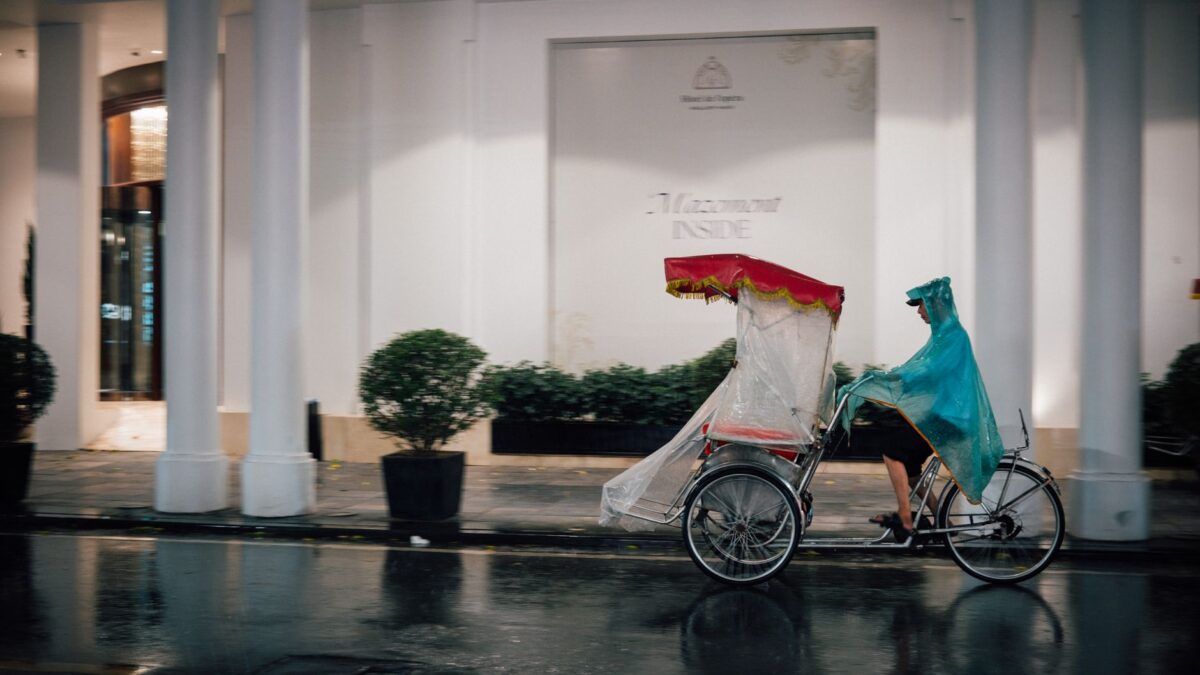
The air in Bangkok right now is thick enough to drink. It is 26–32°C, but the “feels like” reading pushes 38°C, and this afternoon the sky opened up with a thunderstorm and hail — 4mm of rain in six hours, then the sun bullied its way back out. That is mid-August in the capital: dramatic, sudden, and lush. The monsoon is at its heart, Buddhist Lent (Khao Phansa) is underway, and the tourist crowds are thin. If you are arriving this month, you are getting the real Bangkok — green, moody, and wonderfully quiet — if you know how to move with the weather.
Weather & What It Means for You
August is the wettest stretch of the year, but don’t let that scare you. The downpours are intense but usually brief — often an hour or two, then the streets steam and life resumes. Carry a compact umbrella or a light rain jacket at all times; soi dogs and street vendors will be your fellow shelter-seekers under awnings. The light is also shifting: sunrise is around 06:04 and sunset around 18:41, so plan outdoor sightseeing (Grand Palace, Wat Arun, Jim Thompson House) for the morning hours. Afternoon storms are the norm, so use that time for shopping malls, museums, or a long lunch. And yes — the hail is rare, but it happens. Don’t stand under a tin roof when the sky starts grumbling.
What to pack: light, quick-dry clothes, waterproof sandals or shoes that can handle a puddle, and a spare pair of socks in your day bag. The humidity is relentless, so skip heavy denim. You’ll see locals in everything from rain boots to flip-flops — comfort wins.
What’s On in Bangkok Right Now (Mid-August 2026)
This is a busy month for events, which is surprising for low season — but these are big draws, so expect pockets of congestion.
- BYD HYROX Bangkok (13–16 August): The largest fitness race ever staged in Asia lands at the Queen Sirikit National Convention Center (QSNCC) on Rama 9 Road. Roughly 22,000 competitors are expected over four days. The area around QSNCC and Rama 9 will be packed, especially after work hours. If you’re staying near there, plan extra travel time; if you’re not, avoid it if you can.
- Bangkok International Pantomime Festival (8–9 August): This just wrapped at Muang Thai Life Assurance Hall on Ratchadaphisek Road. If you missed it, some workshops may still be lingering, but the main event is done.
- blurborders International Performance Art eXchange (7–9 August): The ‘Intimate Distance’ program at the Bangkok Art and Culture Centre (BACC) on the 4th-floor Studio just finished — free live art with European and Asian artists. If you’re near Siam, the BACC itself is worth a visit anyway.
- Summer Sonic debuts in Southeast Asia (24–25 August): The legendary Japanese music festival makes its regional debut at Impact Muang Thong Thani, on the northern edge of the city. Big crowds, big names — if you’re going, book transport in advance; if you’re not, avoid the Impact area those days.
- MRT Orange Line eastern section: The new eastern segment is expected to begin service around now — a brand-new underground route across the east side. That’s a game-changer for getting to places like Minburi and beyond. Keep an ear out for the official opening date; once it’s live, it’ll ease pressure on buses and taxis.
Crowds, Prices & the Seasonal Vibe
August is low season for tourism, which is your friend. Flights and hotels are typically cheaper, and temples like Wat Pho feel almost calm in the rain breaks. But note: the BYD HYROX event and Summer Sonic bring big — albeit concentrated — crowds. Also, Buddhist Lent (Khao Phansa) is underway, so some traditional ceremonies are quieter, and you may see fewer big festivals than in high season. That’s a trade-off: you get the city to yourself, but some tourist-oriented shows or events may have reduced schedules.
On cost: Bangkok remains a budget-food paradise. A plate of pad thai at a street stall runs about 40–70 THB (under US$2). A bowl of boat noodles is 50–80 THB, and som tam from a market vendor is 40–60 THB. At Yaowarat (Chinatown) night market, a full street-food meal can still be under 100 THB (roughly US$2.80). For a sit-down local eatery, pad krapao or pad thai is about 120 THB. A cappuccino at a cafe is around 75 THB. However, housing and transit costs are trending up — the BTS now uses a distance-based fare of 17–45 THB per ride, and a monthly package (25 trips/30 days) is about 900 THB. The flat cheap fare is gone, so budget accordingly.
Practical Tips for This Month
Getting Around
- BTS Skytrain: Fares range 17–45 THB. If you’ll ride a lot, get a Rabbit Card (200 THB, includes 100 THB value) or a 1-day unlimited pass (~150 THB). Contactless Visa/Mastercard and phone wallets work on the MRT and Airport Rail Link directly.
- MRT: The underground is your monsoon friend — it stays dry. With the new Orange Line opening, it’s also more useful.
- Local deal: Thai ID holders registered on the ‘Tang Rat’ app get a flat 20 THB fare across all rail lines — but that’s for locals, not tourists.
- Taxis & tuk-tuks: Always agree on the fare before getting in, or use Grab/Bolt to avoid haggling in the rain.
Visas & Paperwork
- Most Western passports get a 60-day visa exemption, extendable once for 30 days (1,900 THB at immigration).
- You must complete the Thailand Digital Arrival Card (TDAC) at tdac.immigration.go.th within 72 hours before flying. Don’t skip it — it’s mandatory.
- If you’ve done back-to-back visa-exempt entries, beware: since 2025, immigration scrutinises repeat entries. More than two “visa runs” can get you denied. For longer stays, apply for a proper tourist visa via the e-visa portal.
- If you’re staying in a rental, make sure your landlord files a TM30 within 24 hours of your arrival. Long-stay visa holders must do 90-day reporting.
Money & Phones
- Banking: Since 2025, Thai banks generally require a long-stay visa (Non-B, Non-O, ED, LTR, Elite) to open an account. Tourist accounts are largely gone. If you qualify, Bangkok Bank (Silom HQ branch) is the most foreigner-friendly. Bring your passport, visa, lease/proof of residence, and a Thai phone number.
- SIM: Buy a tourist eSIM or prepaid SIM from AIS, TrueMove H, or dtac at Suvarnabhumi arrivals. Passport registration is mandatory by law.
Staying Safe & Sound
- Bangkok is generally safe, but watch for pickpockets in crowded event spaces (like QSNCC during HYROX). Avoid Nana Plaza and Khao San Road late at night — they’re tourist-trap territory. Around the Grand Palace, be wary of strangers offering “closed” temple tours; it’s a classic scam.
Neighbourhoods & Hidden Corners
If you’re looking to settle in or just explore away from the tourist core:
- Ari — the hipster heart, artsy and leafy. Great cafes (try Mother Roaster Pratu Phi). Modest one-bedroom condos near BTS here run about 12,000–20,000 THB/month.
- Thonglor — trend central, upscale bars and Japanese spots. Pricier, but walkable. Holiday Inn Express & Suites Bangkok Central Pier is a handy base if you want a known brand.
- Ekkamai — laid-back, expat-friendly offshoot of Thonglor, with international schools and Gateway Ekkamai mall.
- Silom — the financial district by day, LGBT nightlife by night around Soi 2 and 4, plus Lalai Sap Market for cheap eats.
- Sathorn — embassy-row elegance, with MahaNakhon tower and easy access to Lumphini Park. The Bangkok Art & Culture Centre is a short BTS ride away.
- Phrom Phong — mid-Sukhumvit, expat families, Emporium/EmQuartier on top of BTS, and Benchasiri Park. Jim Thompson House is a must-visit museum for silk and Thai architecture.
For an escape from the city, take the 20-minute ferry from Klong Toey to Bang Krachao — the “green lung” — a jungle-like island of cycling paths and canals. You’ll forget the skyscrapers exist.
Final Word for August 2026
Come for the food, stay for the rain. This month’s events add spark to a quiet season, so book your HYROX or Summer Sonic tickets if you’re into that scene, but leave afternoons free for storms. And remember: the BTS is your dry lifeline. Ploy Siriwan — your host in Bangkok — wishes you a soggy, delicious, unforgettable visit.
Frequently asked questions
Is August a good time to visit Bangkok?
Yes, if you don't mind rain. It's low season, so crowds are thin and prices are lower. Expect daily downpours, but they're usually short and clear up quickly.
What is the Thailand Digital Arrival Card (TDAC) and do I need it?
TDAC is a mandatory online form for all foreign arrivals, to be completed within 72 hours before your flight. It's free and available at tdac.immigration.go.th. Without it, you may be denied boarding.
How do I get around Bangkok during the monsoon?
Use the BTS Skytrain or MRT underground to stay dry. BTS fares are 17-45 THB; MRT accepts contactless cards. Avoid taxis during rush-hour downpours, and agree tuk-tuk fares upfront.
Are there any big events in Bangkok in mid-August 2026?
Yes — BYD HYROX Bangkok (a massive fitness race) is at QSNCC from 13-16 August, and Summer Sonic debuts at Impact Muang Thong Thani on 24-25 August. Expect crowds around those venues.
Is it easy to open a bank account in Thailand as a tourist?
No. Since 2025, Thai banks require a long-stay visa (Non-B, Non-O, ED, LTR, Elite) to open an account. Tourist visa holders generally cannot open accounts, so plan alternatives like travel cards.
Things to do in Thailand
 Cooking Class by Samui Native Instructor Geng and O Family
 Riverside Thai Cooking Class in Khao Lak with Market Tour
 Special offer
Private James Bond Island Speedboat Adventure Tour w/ Canoeing
Special offer
Private James Bond Island Speedboat Adventure Tour w/ Canoeing
 Chiang Mai Jungle Coffee Experience: Farm Trek, Roast & Brew.
 Half-Day Thai Cooking Class with organic ingredients
 Bangkok: Floating Market & Train Tour with Michelin & Pickup