

Moving to United States: visas, banking and SIM cards
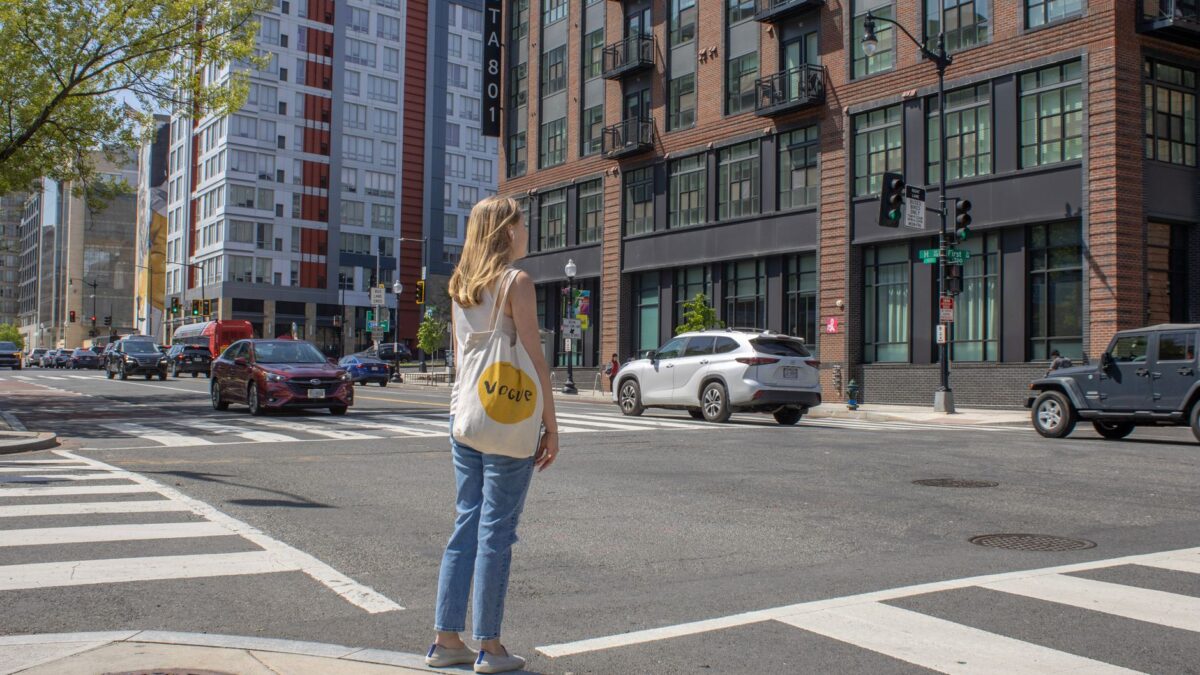
The air outside Reagan National is thick enough to drink — 35°C feels like a wet blanket wrapping around you as you step off the jet bridge. It’s mid-August 2026 in Washington, D.C., the city’s 250th birthday year, and the light drizzle is doing nothing to cut the humidity. You’re not here for the monuments, though. You’re here to stay — at least for a while — and the first week is a blur of paperwork, plastic cards, and figuring out why everyone moves so slowly in the heat. Let’s get it done.
Your Entry & Status: The Parchment and the Stamp
Before you think about bank accounts, you need to know where you stand. If you’re from a visa-waiver country, you likely entered on an ESTA — about $21 applied for online before you flew — and that’s fine for up to 90 days. If you’re on a B-1/B-2 visitor visa, you’re in the same boat: sightseeing, short courses, family visits, but no work. For anything longer or paid, you already have the visa in your passport — H-1B, L-1, O-1, whatever the stamp says. No one registers you at a police station in the U.S. Visitors aren’t required to check in with any agency. But do carry your passport; it’s your ID for everything here, from buying a beer to picking up a SIM card. If you’re on a nonimmigrant visa, your I-94 record (findable online) is your proof of legal entry — save a PDF on your phone.
Residency & Registration: The DMV Is Your Landlord
Moving to the District means the Department of Motor Vehicles (DMV) becomes a rite of passage. Within 60 days of establishing residency, you must get a DC driver’s license. Walk into any DC DMV service center with your passport, visa/I-94, and two proofs of address — a lease and a utility bill work best. The license itself costs around $47 for eight years (give or take). Registering a car within the same 60-day window means bringing your title, proof of insurance, and a VIN inspection, plus paying an excise tax based on the car’s value. And yes, the plates say Taxation Without Representation — a daily reminder that D.C. residents pay federal taxes but have no voting member of Congress. While you’re at it, register to vote with the DC Board of Elections. You might not be a citizen yet, but if you’re here on a green card, you’re eligible.
The city itself is divided into quadrants — NW, NE, SW, SE — and where you land matters for lifestyle. Capitol Hill (the largest historic rowhouse district) moves at a leafy, Eastern Market–centered pace; Georgetown’s cobblestones feel like colonial Boston with better shopping; Adams Morgan is the bohemian nightlife strip; U Street, once Black Broadway, is now Ben’s Chili Bowl and jazz clubs; Navy Yard is the modern waterfront with Nationals Park glinting off the Anacostia. Pick a neighborhood that matches your rhythm — the Metro will connect you.
Banking: Friction, But Not Too Much
Open a bank account within a few days of landing. Most people use the big four — Chase, Bank of America, Wells Fargo, or Capital One — and you’ll find them everywhere. I walked into a Chase near Dupont Circle with a passport, visa, and a lease, and walked out with a checking account 40 minutes later. The trick: you don’t need a Social Security Number (SSN) to open an account, but it helps. If you’re on an L-1 or H-1B, your SSN will arrive by mail within two weeks. Without one, a bank can still open an account, but they’ll likely flag it and may require a deposit of $25–100 to start. Bring a utility bill or lease as proof of address — a hotel won’t cut it.
Credit is a separate beast. You’ll get a debit card immediately, but building a U.S. credit score is crucial for renting apartments and getting a car loan. The fastest path is a secured credit card like the Discover it Secured — you put down a deposit (usually $200) and use it for coffee and groceries, paying off the balance monthly. After six months, you’ll have a score. Meanwhile, for transferring money between friends or paying the dog walker, use Zelle — it’s baked into most bank apps and moves money instantly between U.S. accounts. Venmo is for social payments; Zelle is for actual business.
For daily cash, note that the ATM fees at big banks are brutal ($2–4 per transaction if you’re out-of-network). Chase and Capital One have the most branches in D.C., so pick your home branch accordingly.
SIM Cards & Staying Connected
Your phone will be your lifeline in a new city, and getting it running takes less than 15 minutes. The three big networks — T-Mobile, AT&T, and Verizon — all have stores in the tourist zone and at the airports. Bring your passport and an unlocked phone; that’s it. Tourists and newcomers typically grab a prepaid plan (no credit check, no contract). For around $40–50 a month, you’ll get unlimited talk/text and 10–15 GB of data. T-Mobile is the friendliest to newcomers — they’ll set you up with an eSIM on the spot, and their coverage inside buildings is solid. AT&T is fine but a tad pricier for the same thing. Verizon has the best rural coverage, but you’re in a city, so it’s moot.
If you want cheaper, look for MVNOs — names like Mint Mobile, Tello, or Visible that piggyback on the big networks. Mint runs on T-Mobile’s network and offers a 3-month prepaid plan that works out to roughly $15–25 a month if you pay upfront. Visible runs on Verizon and is popular with newcomers for its flat $25 plan. For the first week, though, the fastest option is an eSIM from Airalo — download the app, buy a D.C. data package for about $20, and you’re online before you clear customs. Just confirm your phone is unlocked before you leave home.
City Logistics: SmarTrip, Metro, and the Art of Not Getting Towed
Washington’s public transit is a SmarTrip card. It costs $2 to buy, is reloadable, and never expires. You can buy it at any Metro station kiosk or online at wmata.com — never buy one from a street vendor; counterfeit cards are a known scam near Union Station. The card works on Metrorail, Metrobus, and the DC Circulator ($1 per ride, ideal for Georgetown, which lacks a Metro stop). Rail fares run from about $2.25 to $6.75 depending on distance and time; Metrobus is a flat $2.25. Alternatively, tap any contactless credit card directly at the faregate — the system accepts them, and it’s one less card to carry. Metro runs until midnight on weekdays (2 a.m. Friday and Saturday), so late nights in Adams Morgan mean an Uber or a long walk.
Now, the warnings. Street parking rules are Draconian. From Monday to Friday, never park on a major artery between 3:15 p.m. and 6:30 p.m. — those lanes become rush-hour throughways, and the city tows instantly. Pay for meters via the ParkMobile app, which lets you extend remotely, but the time limits are strict. The safe, patrolled core — the National Mall, Smithsonian museums, Georgetown, Capitol Hill — is fine to walk at night. Elsewhere, safety varies block to block by ward; ask your neighbors or check a crime map before apartment hunting in less familiar areas.
D.C. Perks & the 250th Birthday
You’re arriving during America’s 250th anniversary — the America250 Semiquincentennial — and the city is leaning in hard. The Smithsonian Castle has temporarily reopened after its renovation, showing the American Aspirations exhibition with Amelia Earhart’s flight suit and Jefferson’s desk through September 7. The National Mall — that two-mile green from the Capitol to the Lincoln Memorial — hosts free festivals most weekends. Note that the Smithsonian American Art Museum’s early-galleries are closed for a multiphase renovation until fall, but the National Museum of African American History & Culture remains the city’s most powerful hour, free but requiring a timed pass — book it online three days ahead. The Air and Space Museum also needs a free pass. Natural History is still walk-in.
When the humidity breaks, grab a half-smoke at Ben’s Chili Bowl (since 1958) on U Street, or a waterfront table at Navy Yard to watch the Nats play. This August, the Arlington County Fair runs through the 15th — carnival rides, ax-throwing, food trucks — and Alexandria Restaurant Week stretches prix-fixe dinners at $35–55 through the 23rd. And if you need a low-key evening, the Kennedy Center’s Millennium Stage has a free show at 6 p.m. daily; there’s no reservation, just show up.
Take a breath. The paperwork ends, the city begins. Go find your neighborhood rowhouse, your corner café, and your spot on a park bench — the peaches are ripe at Eastern Market, and the city is yours.
Frequently asked questions
Do I need to register with the police when I arrive in Washington, D.C. as a visitor?
No. Visitors on ESTA or B-1/B-2 visas don't register with any agency, but you must carry your passport. New residents need to get a DC driver's license within 60 days of establishing residency.
Can I open a US bank account without a Social Security Number?
Yes. Most major banks like Chase, Bank of America, and Wells Fargo will open an account with a passport, visa/I-94, and a lease or utility bill as address proof. You may need $25-100 to start, and an SSN isn't always required.
What's the cheapest way to get a US phone number and data for my first week?
Buy a prepaid SIM from T-Mobile, AT&T, or Verizon at the airport, or use an eSIM app like Airalo if your phone is unlocked. Prepaid plans cost around $40-50/month from the big networks, or $15-25/month from MVNOs like Mint Mobile or Visible.
How do I pay for the DC Metro and buses?
Get a SmarTrip card ($2, reloadable, never expires) at station kiosks or online at wmata.com. Fares range from $2.25-$6.75 on rail, flat $2.25 on Metrobus, and $1 on the DC Circulator. You can also tap a contactless credit card at faregates.
Are there any major events happening in DC in August 2026?
It's the America250 semiquincentennial. The Smithsonian Castle is showing 'American Aspirations' (Earhart's flight suit, Jefferson's desk) until Sept 7, the Arlington County Fair runs Aug 12-15, and Alexandria Restaurant Week features $35/$45/$55 menus through Aug 23.
Things to do in United States
 Private Scottsdale Off-Road Jeep Tour
 Nashville VIP Style Private Tour with Local Singer-Songwriter
 Hawaii Volcanoes, Waterfalls, Beaches & Hilo Highlights Day Tour
 Half-Day Private Boating On Black Hurricane - Clearwater Beach
 Private Stand Up Paddle Boarding Tour in Turtle Town, Maui
 Epic Camelback Mountain Guided Hiking Adventure in Phoenix, Arizona