

The best time to visit Sweden
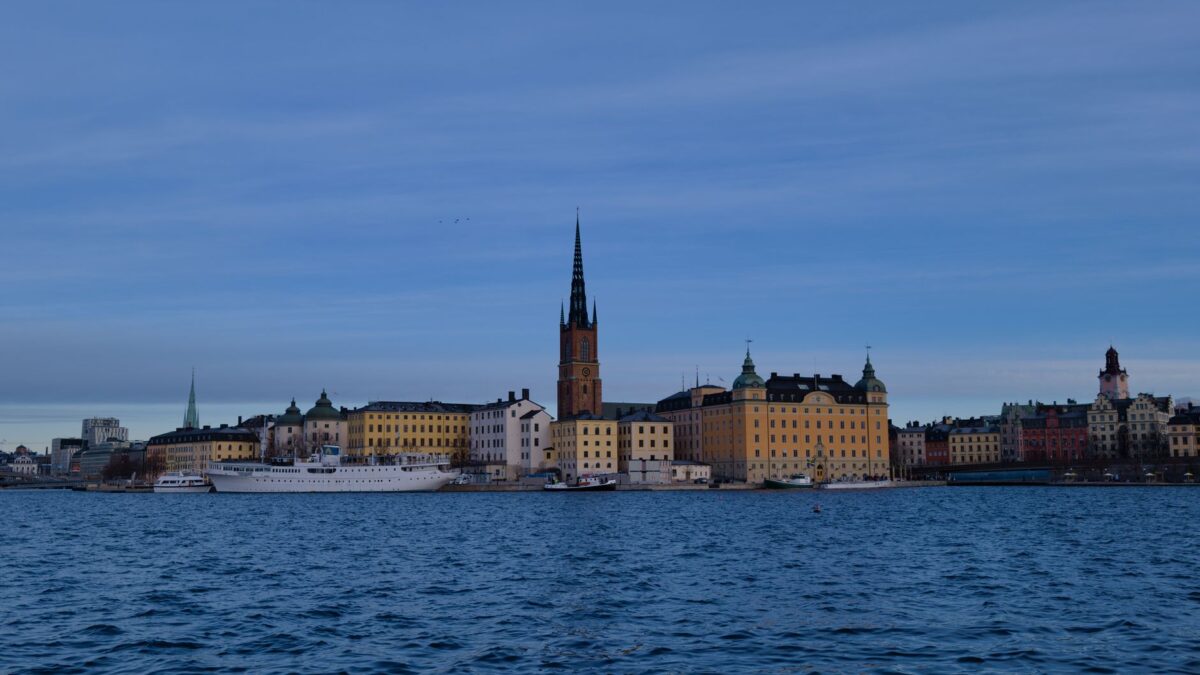
The air in Kungsträdgården smells of grilled chorizo and wet stone. It’s mid-August, 8 PM, and the sun is still stubbornly holding on. A band is soundchecking on the big stage, kids are chasing pigeons around the Molins fountain, and somewhere in the crowd someone is cracking open a crayfish. This is Stockholm at its most alive — the Stockholm Culture Festival is on, the city is buzzing, and the light feels like it might last forever. But is August the best time for you to visit? That depends entirely on what you’re after.
Winter (December–February): Cozy darkness and Christmas magic
Winter in Stockholm is not for everyone. You’ll get around five or six hours of daylight in December, and the cold can bite hard. But if you embrace it, this is when the city feels most Swedish. Gamla Stan’s cobblestone alleys glow with Advent lights, and the smell of glögg (mulled wine) and roasted almonds drifts from the Christmas markets. Skansen’s winter market is a favorite, and the ice rink at Kungsträdgården — right at the edge of Norrmalm — is packed with locals and visitors alike. It’s a scene straight out of a Nordic film.
Prices are at their lowest from early January through February, when the holiday crowds have gone. A mid-range hotel room — usually around 1,800–2,500 SEK per night — can drop meaningfully. You’ll also have museums nearly to yourself. The Vasa Museum, that magnificent 17th-century warship that sank in 1628, feels almost intimate in the off-season. Just be prepared for darkness and cold; a good coat is non-negotiable. The flip side? You’ll experience the true meaning of mys — that untranslatable Swedish word for cozy contentment.
Spring (March–May): Thawing streets and rising light
March is still winter, but by April the city starts to shake off its chill. The snow melts, the cafés spill out onto the sidewalks again, and the light returns with a vengeance. By May, you’re looking at 16–17 hours of daylight, and the city is almost giddy. Locals flock to Södermalm’s Monteliusvägen for that free, sweeping view over the old town — a sight that’s genuinely world-class. The cherry blossoms around Kungsträdgården are a fleeting spectacle in late April, and the crowds haven’t arrived yet.
Spring is also when you’ll find the most local version of Stockholm. Prices are still moderate — not as low as winter, but not yet at summer highs. This is the perfect time for wandering Vasastan, with its quiet residential streets and famous fika spots like Café Pascal. You can enjoy a cardamom bun and a filter coffee for around 40–50 SEK, and feel like you’ve stepped into a Swedish lifestyle magazine. The only downside? Weather is fickle. One day it’s t-shirt warm, the next it’s sleeting. Pack layers.
Summer (June–August): The long light and peak energy
Summer is when Stockholm becomes a different city. The famous kräftskiva — crayfish parties — kick off on the first Wednesday of August, and suddenly every backyard and bar terrace is decked with paper lanterns and bibs. Chanterelles appear in markets, and the archipelago ferries are packed with families heading out to the islands. Mid-August, specifically, is a sweet spot: the peak tourist crowds of June and July have thinned slightly, the weather is still warm (typically 16–26°C, as the forecast for August 14 shows), and the Stockholm Culture Festival fills Kungsträdgården with free live music from August 12–16. And on August 13, the Stockholm Film Festival’s outdoor summer cinema at Rålambshovsparken screens Mamma Mia! Here We Go Again — a perfect summer night in the park.
But summer comes at a price. Hotels run at their absolute highest, with that mid-range double easily hitting 2,500 SEK or more. You’ll also need to book well in advance. And the city’s biggest sights? Expect queues at the Vasa Museum and Skansen, though both are worth the wait. If you’re on a budget, the classic dagens rätt — a weekday lunch special at around 130–150 SEK — is your best friend. It’s the most affordable way to eat out in a city where a mid-range dinner main course is typically 300–400 SEK.
One practical note for summer 2026: there’s a major rail project on the Dalabanan line between Sala and Avesta Krylbo (August 10–October 4), which means longer travel times and replacement buses if you’re heading to Falun or Mora. And locals in the archipelago are following the fate of the electric hydrofoil ferry Nova, pulled from service for repairs after steering problems — so check before relying on that specific route to Möja.
Autumn (September–November): Golden light and fewer crowds
September in Stockholm is, for many locals, the true best time. The tourist hordes have gone, the light turns golden, and the air has that crisp edge of autumn. You can actually breathe at the Royal Palace in Gamla Stan, and the queues at trendy Södermalm spots like Drop Coffee Roasters or the restaurants around SoFo become manageable. Prices drop back to spring levels, and you’ll often find hotel deals under 2,000 SEK.
October is quieter still — the weather turns wetter and grayer, but museums become sanctuaries. The Fotografiska, housed in a converted Art Nouveau customs house on Stadsgårdshamnen, is especially atmospheric in the rain. And the city’s café culture is at its peak; this is when Swedes really lean into fika as a survival strategy. By November, the city begins its slow slide into winter darkness, but the Christmas lights start appearing at the end of the month, and with them, the first glögg of the season.
December (again, briefly): Christmas markets and Nobel glow
We covered December already, but it deserves its own note: if you’re coming specifically for Christmas, aim for the first two weekends of December, when the markets are in full swing. The Nobel Prize banquet in the Blue Hall of Stockholm City Hall on December 10 adds a layer of ceremonial splendor to the city; even if you’re not attending, there’s a buzz in the air. After the 13th (Sankta Lucia), the city empties for the holidays, and it’s almost eerily peaceful.
What about the practicalities?
Whatever season you choose, Stockholm is a city that rewards slow travel. Public transport is simple — an SL single fare is 43 SEK for 75 minutes, and a 30-day pass is 1,060 SEK, but for a typical visit, the 72-hour Travelcard is your best bet. Just remember that Arlanda Express is a separate ticket. Also note: Stockholm is effectively cashless. A contactless card or phone is all you need; even the pickpockets in Gamla Stan are after your phone, not your wallet (though they’re a real concern in tourist-heavy spots like Sergels Torg and Centralstation).
And if you’re staying longer, know that a new resident needs to register with Skatteverket for a personnummer — the 10-digit number that unlocks everything. Banking is a process too: you’ll need to open an account in person with SEB, Swedbank, Handelsbanken, or Nordea, then activate BankID and Swish. But for a vacation, all you need is your passport — and, if you’re from the US, UK, Canada, Australia, or Japan, visa-free entry for up to 90 days.
The verdict?
There’s no single ‘best’ time — it’s about your priorities. Want the iconic summer buzz and don’t mind crowds and high prices? Go in August, specifically around the Culture Festival (August 12–16). Want cozy darkness, lower prices, and a real feel for Swedish winter? January and February are for you. Want a perfect balance of light, moderate prices, and fewer tourists? September is the locals’ secret. And if you want the full crayfish-party, chanterelle, long-light experience without the very peak of high season, aim for mid-August. Just don’t come in October expecting to eat lunch outside — though you might get lucky. Either way, the city will meet you where you are, with a fika at the ready.
Frequently asked questions
When is the cheapest time to visit Stockholm?
Generally January and February offer the lowest hotel rates, often under 2,000 SEK per night for mid-range options. November is also a bargain month, though the weather is gray.
What is the weather like in Stockholm in August?
August is warm and pleasant, with typical highs around 16–26°C. Expect overcast days with long daylight (sunrise around 05:00, sunset around 20:45), perfect for outdoor activities.
Are there any major festivals in Stockholm in August?
Yes, the Stockholm Culture Festival (Stockholms kulturfestival) takes place August 12–16 in Kungsträdgården, with free concerts and food stalls. The Stockholm Film Festival also hosts outdoor summer cinema screenings during that period.
Is Stockholm expensive for tourists?
Yes, Stockholm is one of Europe's most expensive capitals. A mid-range hotel runs about 1,800–2,500 SEK per night, a main course at dinner 300–400 SEK, and a café coffee around 40–50 SEK. The daily 'dagens' lunch (around 130–150 SEK) is your best value.
Do I need a visa to visit Sweden?
US, UK, Canadian, Australian, and Japanese citizens can stay visa-free for up to 90 days in any 180-day period within the Schengen Area. EU/EEA citizens have free movement but should register with Skatteverket if staying over three months.


