


Sweden Travel Podcast with Anton Lindqvist
Hosted by Anton Lindqvist — a new episode every day from Sweden.
Travelling in Sweden means moving through a country of almost 100,000 lakes, from the flat or gently rolling lowlands of the south to the mountains and subarctic interior in the west and north. The show follows that contrast town by town, with attention to how the Baltic coast and the Danish Straits tie Sweden to the wider region.
The programme ranges from Stockholm and Gothenburg to the Baltic island of Öland and the subarctic mining town of Kiruna. It also stops in places that reward returning: the lake landscape around Vänern, the forests of Småland, the old port of Sundsvall. Every location is chosen because it matters locally, not because it is a tourist headline.
The show unfolds in ordinary time. He returns to a place in winter and again in the late spring light, so a stretch of coast or a town square accumulates memory. By the third visit, the subarctic north feels less distant and the southern lowlands more settled, and each season changes what the other left behind.
Recent episodes
Things to do in Sweden
 Guided 5-Day Kayak & Wildcamp the Archipelago of Sweden
 Snowshoe in a Winter Forest
 Private Boat Tour in Stockholm
 RIB Speed Boat Tour and Archipelago Island Visit (4,5h)
 Stockholm by Classic Yacht: sunset, dinner, lunch, cruise
 3-Day Self-guided Kayak Weekend Tour
 Self-Guided Kayak Short-Break in Stockholm Archipelago (3-4 days)
 Stockholm: Archipelago Family-Friendly Private Kayaking Tour
Plan your trip to Sweden
Getting around
Staying connected
Sweden at a glance
Sweden in depth
Reference data on the country — geography, people, history, economy and transport.
Geography and climate
Location
Northern Europe, bordering the Baltic Sea, Gulf of Bothnia, Kattegat, and Skagerrak, between Finland and Norway
Terrain
Mostly flat or gently rolling lowlands; mountains in west
Climate
Temperate in south with cold, cloudy winters and cool, partly cloudy summers; subarctic in north
Elevation
- Highest point
- Kebnekaise South 2,100 m
- Lowest point
- Reclaimed bay of Lake Hammarsjon, near Kristianstad -2.4 m
- Mean elevation
- 320 m
Area
- Total
- 450,295 sq km
- Land
- 410,335 sq km
- Water
- 39,960 sq km
Size comparison
Almost three times the size of Georgia; slightly larger than California
Coastline
3,218 km
Land borders
- Total
- 2,211 km
- Border countries
- Finland 545 km; Norway 1,666 km
Natural resources
Iron ore, copper, lead, zinc, gold, silver, tungsten, uranium, arsenic, feldspar, timber, hydropower
Land use
- Agricultural land
- 7.3% (2023 est.)
- Arable land
- 6.2% (2023 est.)
- Permanent crops
- 0% (2023 est.)
- Permanent pasture
- 1.1% (2023 est.)
- Forest
- 68.6% (2023 est.)
- Other
- 23.8% (2023 est.)
Natural hazards
Ice floes in the surrounding waters, especially in the Gulf of Bothnia, can interfere with maritime traffic
Note
Strategic location along Danish Straits linking Baltic and North Seas; Sweden has almost 100,000 lakes, the largest of which, Vanern, is the third-largest in Europe
People and society
Population
- Total
- 10,643,745 (2025 est.)
- Male
- 5,360,755
- Female
- 5,282,990
Nationality
- Noun
- Swede(s)
- Adjective
- Swedish
Ethnic groups
Swedish 79.6%, Syrian 1.9%, Iraqi 1.4%, Finnish 1.3%, other 15.8%
(2022 est.)
Languages
- Languages
- Swedish (official)
- Major-language sample(s)
- The World Factbook, den obestridliga källan för grundläggande information. (Swedish)
Religions
Church of Sweden (Lutheran) 53.9%, other (includes Roman Catholic, Orthodox, Baptist, Muslim, Jewish, and Buddhist) 8.9%, none or unspecified 37.2% (2021 est.)
Median age
- Total
- 41.2 years (2025 est.)
- Male
- 40.1 years
- Female
- 42.1 years
Life expectancy
- Total population
- 82.9 years (2024 est.)
- Male
- 81.2 years
- Female
- 84.7 years
Urbanisation
- Urban population
- 88.7% of total population (2023)
- Rate of urbanization
- 0.89% annual rate of change (2020-25 est.)
Where people live
Most of the population lives in the south where the climate is milder and there is better connectivity to mainland Europe; population clusters are found along the Baltic coast in the east; the interior areas of the north remain sparsely populated
Largest cities
1.700 million STOCKHOLM (capital) (2023)
Background and government
Background
A military power during the 17th century, Sweden maintained a policy of military non-alignment until it applied to join NATO in 2022. Sweden has not participated in any war for two centuries. Stockholm preserved an armed neutrality in both World Wars. Since then, Sweden has pursued a successful economic formula consisting of a capitalist system intermixed with substantial welfare elements. Sweden joined the EU in 1995, but the public rejected the introduction of the euro in a 2003 referendum. The share of Sweden’s population born abroad increased from 11.3% in 2000 to 20% in 2022.
Government
Parliamentary constitutional monarchy
Capital
Stockholm
Time zone
UTC+1 (6 hours ahead of Washington, DC, during Standard Time)
Local name
Konungariket Sverige
Independence
6 June 1523 (Gustav VASA elected king of Sweden, marking the abolishment of the Kalmar Union of Denmark, Norway, and Sweden)
National day
National Day, 6 June (1983)
Economy and cost of living
Overview
High-income, largest Nordic economy; EU member but does not use the euro; export-oriented, led by automotive, electronics, machinery, and pharmaceuticals; highly ranked for competitiveness, R&D investments and governance; recovery, with falling inflation and real wage growth balanced by risks from trade uncertainty
GDP per capita
- Real GDP per capita 2024
- $63,300 (2024 est.)
- Real GDP per capita 2023
- $62,800 (2023 est.)
- Real GDP per capita 2022
- $63,200 (2022 est.)
Inflation
- Inflation rate (consumer prices) 2024
- 2.8% (2024 est.)
- Inflation rate (consumer prices) 2023
- 8.5% (2023 est.)
- Inflation rate (consumer prices) 2022
- 8.4% (2022 est.)
Unemployment
- Unemployment rate 2024
- 8.6% (2024 est.)
- Unemployment rate 2023
- 7.7% (2023 est.)
- Unemployment rate 2022
- 7.4% (2022 est.)
Exchange rate
- Currency
- Swedish kronor (SEK) per US dollar -
- Exchange rates 2024
- 10.568 (2024 est.)
- Exchange rates 2023
- 10.61 (2023 est.)
- Exchange rates 2022
- 10.114 (2022 est.)
- Exchange rates 2021
- 8.577 (2021 est.)
- Exchange rates 2020
- 9.21 (2020 est.)
Main industries
Iron and steel, precision equipment (bearings, radio and telephone parts, armaments), wood pulp and paper products, processed foods, motor vehicles
Agriculture
Milk, wheat, sugar beets, barley, potatoes, oats, rapeseed, pork, chicken, beef (2023)
Transport and connectivity
Airports
206 (2025)
Railways
- Total
- 10,910 km (2020) 8,184 km electrified
- Narrow gauge
- 65 km
Ports
- Total ports
- 92 (2024)
- Large
- 3
- Medium
- 10
- Small
- 30
- Very small
- 49
- Ports with oil terminals
- 49
- Key ports
- Falkenberg, Goteborg, Helsingborg, Karlsborg, Karlshamn, Lulea, Malmo, Norrkoping, Stockholm, Sundsvall, Uddevalla, Varberg, Vasteras
Internet domain
.se
Internet users
Percent of population 96% (2023 est.)
Mobile subscriptions
- Total subscriptions
- 14.9 million (2024 est.)
- Subscriptions per 100 inhabitants
- 141 (2024 est.)
Environment
Environmental issues
Marine pollution (Baltic Sea and North Sea); acid rain damage to soil and lakes; air pollution; poor timber-harvesting practices
Fresh water
174 billion cubic meters (2022 est.)
UNESCO Global Geoparks
- Total global geoparks and regional networks
- 1
- Global geoparks and regional networks
- Platåbergens (2023)
Country reference figures are periodically revised. Check anything time-sensitive or safety-critical against an official source before you travel.
Sweden travel guides
 News & Updates
Sweden in September 2026: what travelers should know now
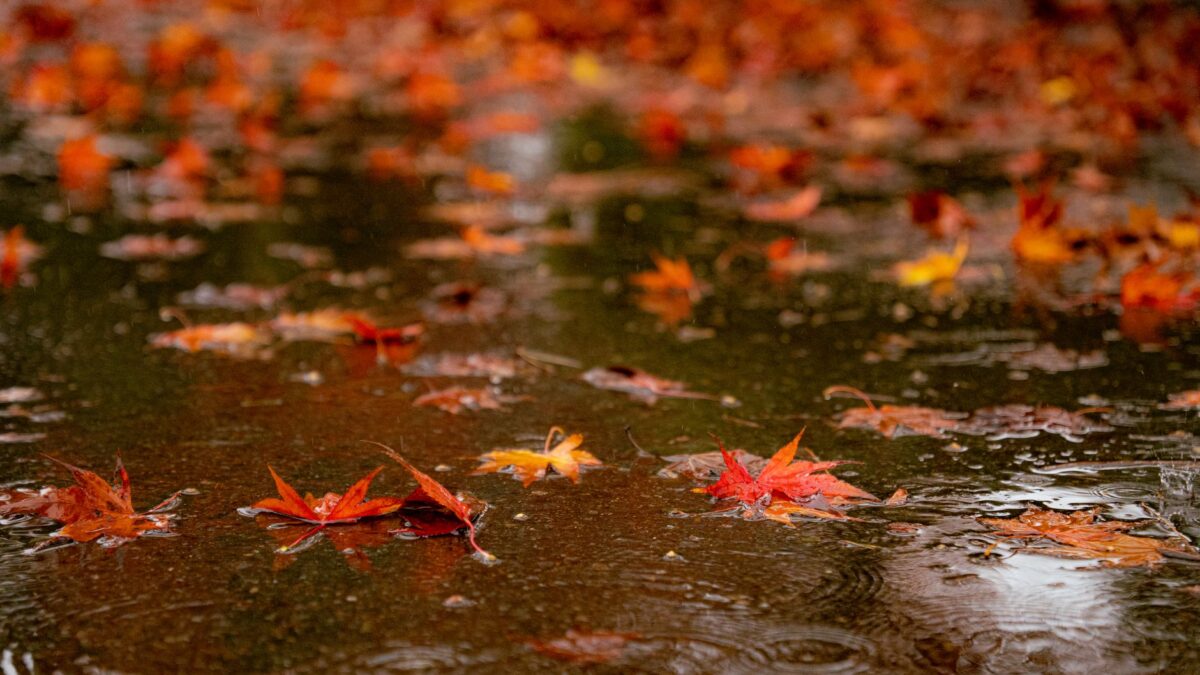
Sweden in September 2026: Weather, transport updates, and local tips for Stockholm's first autumn rains.
 News & Updates
Sweden in August 2026: what travelers should know now
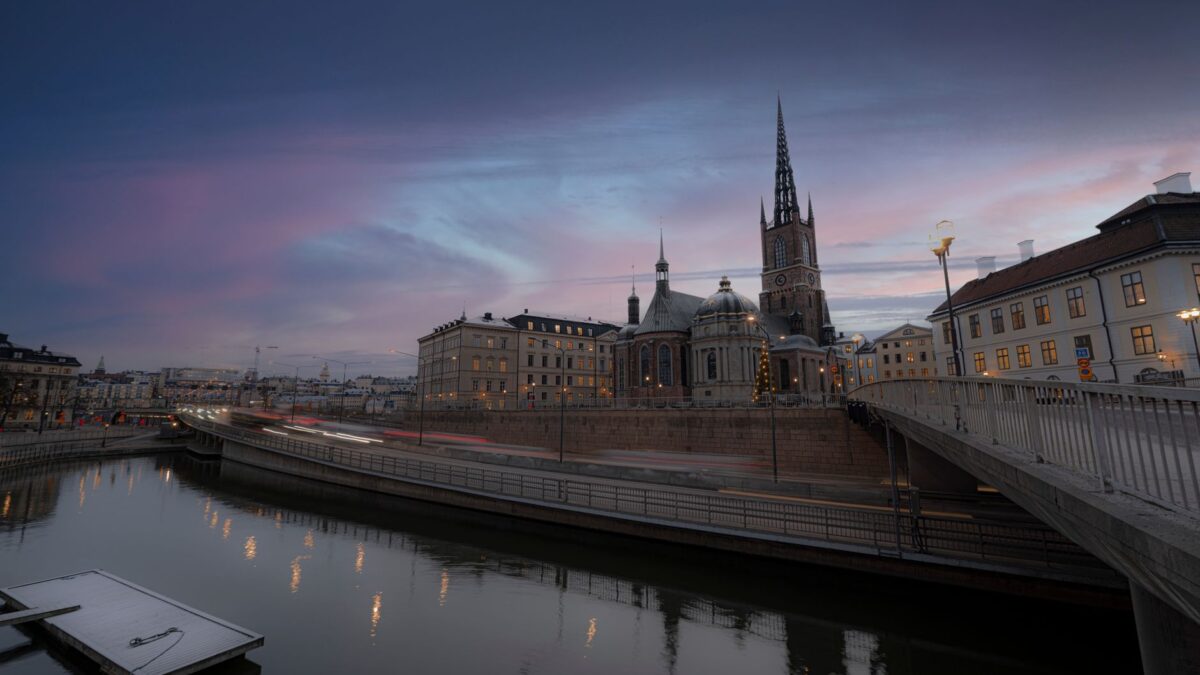
Stockholm in August 2026: weather, costs, events, and local tips from Anton Lindqvist. What's on now, what to pack, and how to save —…
 Travel Tips
The best time to visit Sweden
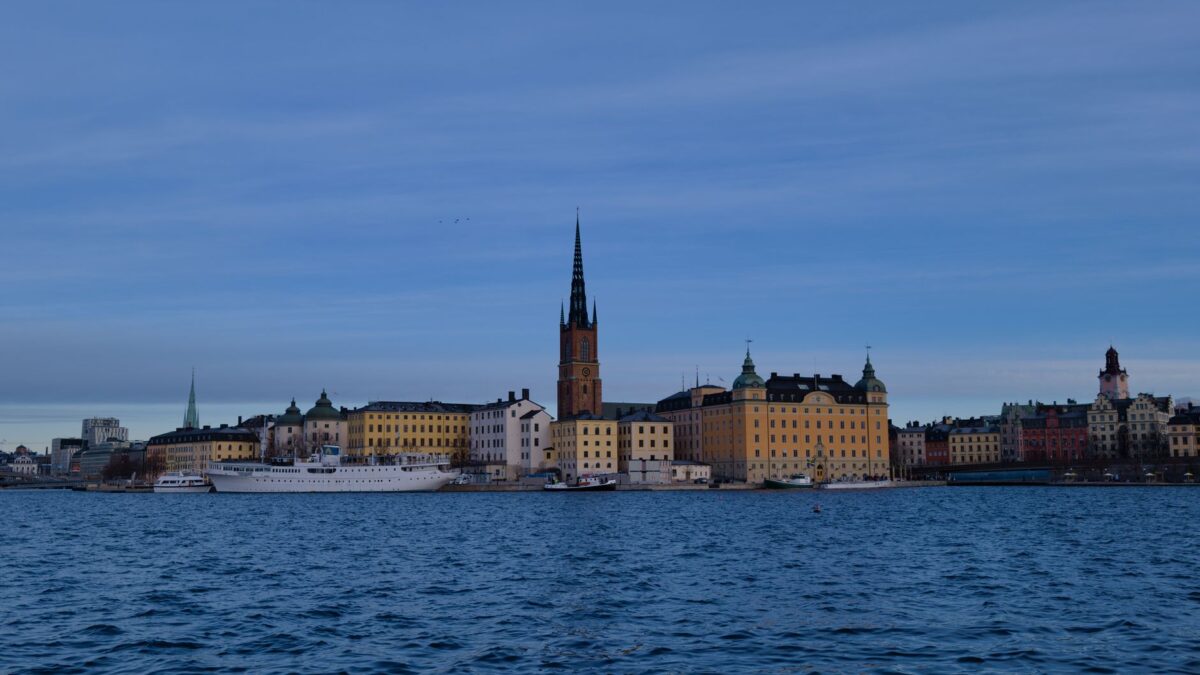
Discover the best time to visit Sweden with our season-by-season guide. We cover Stockholm weather, crowds, prices, and festivals to help you choose your…
 Getting Around
From the airport into Stockholm: every option and what it costs
Landing in Stockholm? Compare Arlanda Express train, SL commuter, Flygbussarna bus, taxi, and private transfer with real prices, times, and local tips for a…
Northern Europe
 United Kingdom
United Kingdom Travel Podcast with Oliver Hughes
The Scottish lowlands between Edinburgh and Glasgow sit under overcast skies brought by the North Atlantic Current and prevailing southwest winds.
 Ireland
Ireland Travel Podcast with Saoirse Byrne
The western seaboard's sea cliffs face the North Atlantic, while over 40% of the population lives within 100 km of Dublin.
 Denmark
Denmark Travel Podcast with Freja Andersen
The Danish Archipelago's low, gently rolling terrain means no point in the country lies far from the coast, and its more than…
 Norway
Norway Travel Podcast with Ingrid Solberg
A listener gains a resident's perspective on Norway's high plateaus, deep fjords and arctic tundra, learned by living in one place at…