

How much does a trip to India cost?
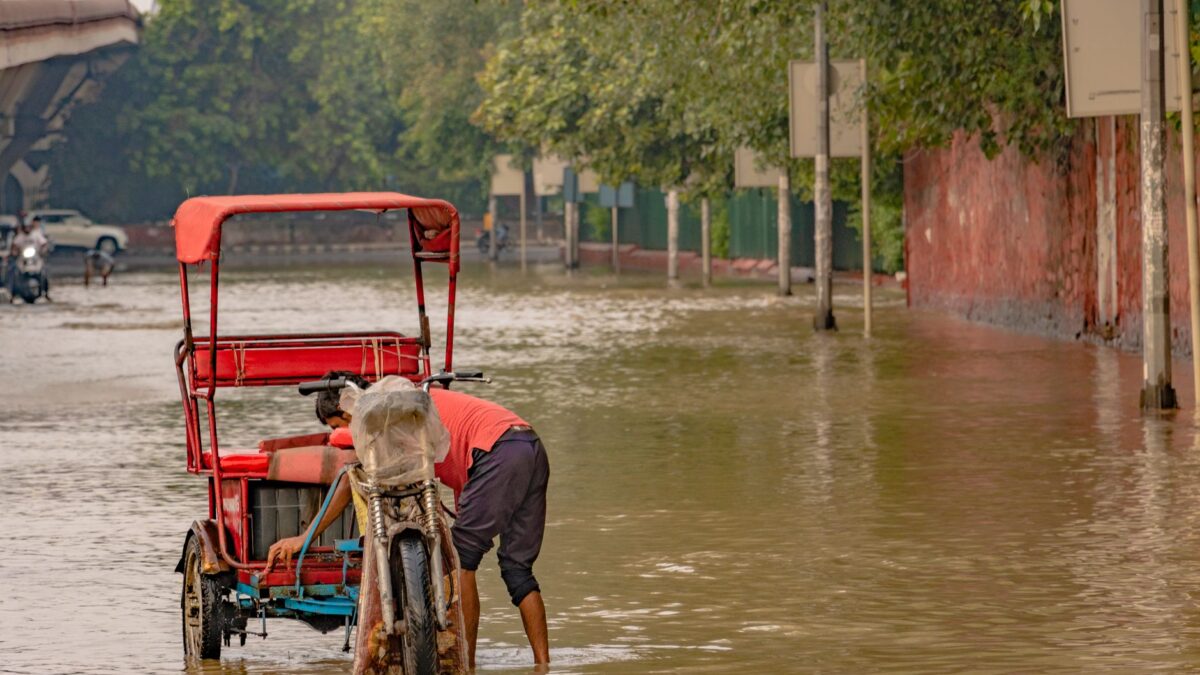
The monsoon sky over Delhi is a bruised slate-grey, and the air hangs thick enough to swim in. It’s the week before Independence Day, and every market, metro station, and residential society is draped in tricolour. You dodge a puddle near the ITO underpass, then look up to see a cluster of flags fluttering against the storm clouds. This is Delhi in mid-August — muggy, chaotic, and impossibly alive. If you’re wondering what it actually costs to be here, not as a tourist in a bubble but as a person navigating the city, let’s break it down in real numbers — Indian rupees, honestly hedged.
Where You’ll Sleep: From ₹800 Guesthouses to ₹12,000 Flat Rentals
Accommodation is the biggest variable. If you’re on a backpacker budget, a basic but clean room in a guesthouse or a budget hotel in areas like Karol Bagh or near the New Delhi Railway Station will set you back around ₹800–₹1,200 a night. Think bare walls, a fan that works overtime, and the distinct sounds of the city through the window. For that price, you’re getting a bed and a bathroom — nothing more.
Move up to a mid-range hotel or a decent guesthouse in South Delhi — say, near Hauz Khas or Saket — and prices jump to ₹1,800–₹2,500 per night. You’ll get air conditioning, a TV, and perhaps a small breakfast thrown in. If you’re planning a longer stay, say a month, a modest 1-bedroom flat (a “1 BHK”) in a place like Vasant Kunj or Greater Kailash rents for ₹12,000–₹25,000 a month — though you’ll need a security deposit and possibly an expat-friendly landlord who doesn’t flinch at a foreign passport.
For a truly comfortable stay, consider a 5-star property like the Jaypee Siddharth in central Delhi. You’re looking at well over ₹10,000 a night, but you’re paying for pools, business lounges, and that particular brand of hotel serenity that insulates you from the honking outside.
Getting Around: The Metro Is a Steal (But Watch the Weather)
Delhi’s Metro is not just public transport; it’s a lifeblood. The recent fare hike — the first in eight years — means a single ride costs anywhere from ₹11 for a short hop to ₹64 for the longest journey across the city. To put that in perspective, that ₹11 is barely more than a dollar’s worth of rupees. If you’re going to explore for a day, the ₹200 one-day unlimited pass is your best friend. For a three-day weekend, the ₹500 pass gives you the freedom to hop between Old Delhi’s Chandni Chowk and South Delhi’s Select Citywalk without thinking about fares.
Buses (DTC) are even cheaper — ₹10 for non-AC, ₹25 for AC — but they’re slower and can be overwhelming during peak hours. The new Pink Line ring is a perfect example of the city’s expanding network: a full loop that connects corners of Delhi that used to require long detours. But remember, August is monsoon season. Sudden downpours routinely waterlog underpasses, and the Metro is your best bet to avoid getting stranded. I’d avoid the new Barapullah Phase III corridor until it officially opens — the maps may show it, but the ground may not.
Food: Street Eats to Fine Dining
Eating is where your rupee goes furthest. A hearty plate of chole bhature at a Kake Da Hotel in Old Delhi will cost you ₹100–₹150. A meal of kebabs and rumali roti at Karim’s in Chandni Chowk is around ₹400–₹600 for two. Even in smarter cafés like the quirky Champa Gali in Saket or the leafy courtyards of Hauz Khas, a coffee and a sandwich will run you ₹400–₹700. If you want to splurge, a multi-course meal at Bukhara in the ITC Maurya is an experience — but budget ₹3,000+ per person and book well in advance.
For a daily food budget:
- Budget: ₹300–₹500 (street food, thalis, local chai)
- Mid-range: ₹800–₹1,500 (cafés, restaurant meals, the occasional dessert)
- Comfortable: ₹2,000–₹4,000 (fine dining, cocktails, tipping generously)
Sights and Culture: From Free Dargahs to ₹700 Forts
Delhi’s treasures are staggeringly affordable. The Lotus Temple and the Nizamuddin Dargah are both free, though you’ll want to leave a small offering at the latter. India Gate and Lodhi Gardens cost nothing but your time. But the iconic monuments have differential pricing for foreigners. At the Red Fort, entry is around ₹550–₹700; Humayun’s Tomb is around ₹500–₹600; and Qutub Minar is roughly ₹500. If you plan to visit these three, budget ₹1,500–₹2,000 just for entry fees. That’s a fraction of what you’d pay for a single museum ticket in Paris or London, and infinitely more evocative.
On 15 August itself, you’ll want to be at the Red Fort to see the Prime Minister address the nation. If you’re brave enough to brave the crowds, note that the Metro opens at 4:00 am — two hours earlier than usual — specifically to shuttle people to the ceremony. That’s a memory worth more than any ticket price.
Daily Totals: The Realistic Numbers
Here’s how it all adds up:
- Budget traveler: ₹1,800–₹2,500 per day (hostel dorm or budget hotel, metro passes, street food, one paid monument, a few free sights)
- Mid-range traveler: ₹4,000–₹6,000 per day (mid-range hotel, restaurant meals, taxis via Uber/Ola for evening outings, all major sites)
- Comfortable traveler: ₹10,000–₹15,000 per day (boutique or 5-star hotel, fine dining, private cabs, guided experiences, and not watching the meter)
Money Matters: Cards, Cash, and UPI
India has gone digital, but you’ll still need cash. The local standard is UPI — apps like PhonePe or Google Pay — which you can’t easily use as a tourist without a local bank account. But you can use your international credit card at most hotels, malls, and upscale restaurants. For everything else — street vendors, auto-rickshaws, small chai stalls — keep ₹1,000–₹2,000 in smaller denominations. ATMs are ubiquitous, but foreign cards often incur fees, so withdraw larger amounts less frequently.
The Bottom Line
Delhi can be as cheap or as luxurious as you make it. A day of street food and metro rides can cost you less than ₹1,000. A night at Jaypee Siddharth with cocktails at the bar will set you back ₹20,000. The city doesn’t judge either way. It’s a place of stark contrast — the Shiva Temple in the middle of a bustling market, the ambient sound of qawwali drifting from a Sufi shrine, the torrential rain that turns streets into rivers. You’re not just budgeting in rupees; you’re budgeting in experiences. And honestly, Delhi gives you more bang for every buck than almost anywhere else I know.
Frequently asked questions
How much does a budget trip to India cost per day?
A budget traveler in Delhi can get by on roughly ₹1,800–₹2,500 per day, covering a budget hotel room, metro pass, street food, and entry to a couple of monuments.
What is the Delhi Metro fare in 2026?
After the August 2025 fare hike, a single Delhi Metro ride costs between ₹11 (minimum) and ₹64 (maximum, over 32 km). A one-day unlimited pass is ₹200; a three-day pass is ₹500.
How much does it cost to enter the Red Fort in Delhi?
Foreign visitors pay approximately ₹550–₹700 for entry to the UNESCO-listed Red Fort. Indian citizens pay significantly less, around ₹50–₹100.
Is it cheaper to use the metro or taxis in Delhi?
The metro is far cheaper — a maximum fare of ₹64 covers the entire city. Taxis via Uber or Ola are convenient, but a 10-kilometer ride can easily cost ₹200–₹400, so use them only when necessary or after dark for safety.
What is the average cost of a mid-range hotel in Delhi?
For a decent mid-range hotel or guesthouse in areas like Karol Bagh or South Delhi, expect to pay around ₹1,800–₹2,500 per night for a clean, air-conditioned room.
Things to do in India
 Taj Mahal, Agra Fort & Baby Taj Tour from Delhi with Meal
 The Chef @ 11:30 am (4 Main Dishes + 3 Breads)
 6-Day Private Tour of the Golden Triangle
 The local & old market Shopping tour
 Golden Triangle Tour: Private Delhi Agra Jaipur 5 Nights 6 Days
 Private Guided Cooking Workshop Experience in Jodhphur