
The best time to visit Thailand
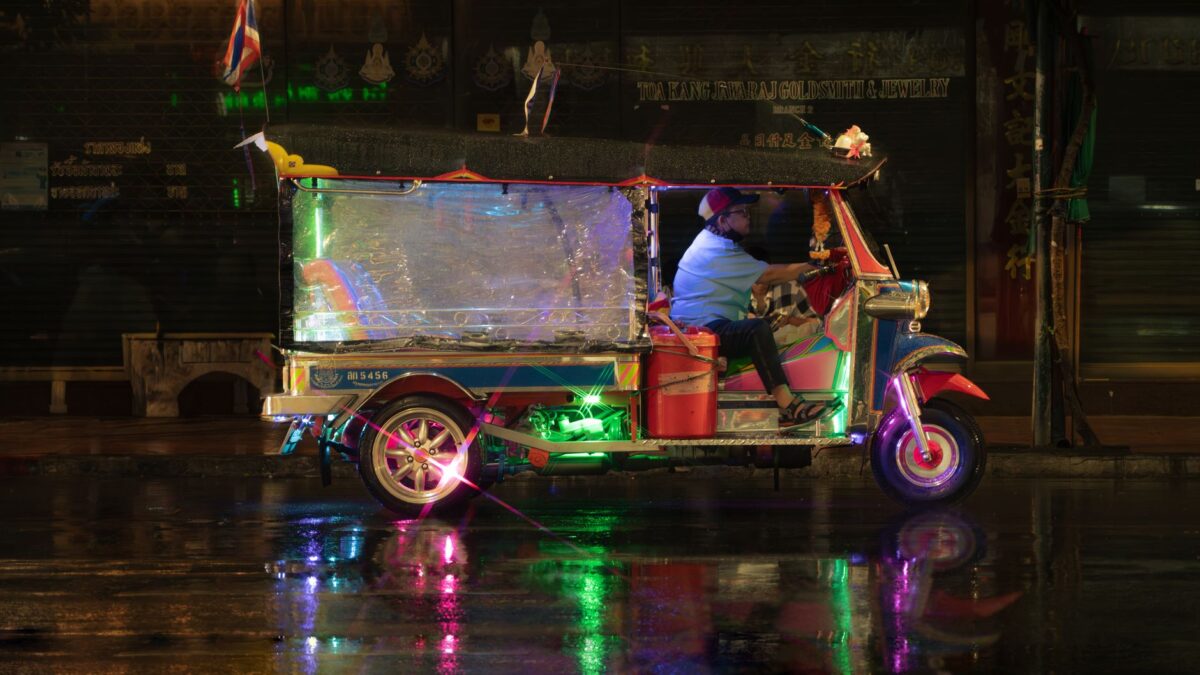
The first thing you notice in mid-August is the air—it wraps around you like a wet blanket, thick and heavy, even before the rain arrives. I’m writing this from Bangkok, where the forecast says 27–33°C with a feels-like of 38°C, and the drizzle that’s been falling for nine hours has turned the streets into mirrors of neon and tuk-tuk smoke. But here’s the secret: this is exactly why I love this city in the monsoon. The downpours come fast, drench the pavement, and vanish just as quickly, leaving everything greener, cooler, and emptier of tourists. If you’re the kind of traveler who wants the real Bangkok—not the version you see in packed Instagram shots—this might be your moment. But Thailand has many faces, and the “best” time depends on what you’re chasing. Let me walk you through the seasons, honestly, as a local would.
Cool Season (November–February): The Golden Window
This is the postcard months. Humidity drops, skies turn a brilliant blue, and temperatures hover around 25–30°C (77–86°F) — a relief after the scorching summer. The city sheds its sweat-soaked haze, and you’ll want to spend every minute outdoors. Crowds are at their peak, especially December and January, and prices follow suit: flights, hotels, and tours spike. But this is also when Bangkok shines for festivals like Loy Krathong (usually November), when thousands of decorated baskets float down the Chao Phraya, and the riverfront glows with candlelight. If you’re here for the vibe, this is it. Just expect to share it — the Grand Palace, Wat Arun, and the streets of Yaowarat will be shoulder-to-shoulder. My tip: book everything early. A room in Thonglor or Ekkamai—those chic, walkable neighborhoods—will cost you a premium, but it’s worth it for the base. And don’t skip a boat ride to Bang Krachao, the “green lung” island across the river, where the crowds melt away into cycling paths and mangroves.
Hot Season (March–May): Embrace the Heat (and the Deals)
March to May is brutal. I’m not going to sugarcoat it. Temperatures routinely hit 35–40°C (95–104°F), and the concrete of Bangkok bakes. But if you’re on a budget, this is your sweet spot. Flights from Europe and the US drop, and you’ll find empty seats on the BTS (17–45 THB per ride, about $0.50–$1.30) and shorter queues at Chatuchak Weekend Market’s 15,000 stalls. The big event is Songkran (April 13–15), Thailand’s New Year water festival. For one week, the whole city becomes a giant water fight—soakings are not just tolerated, they’re the point. It’s chaotic, joyful, and utterly unforgettable. Just keep your phone in a waterproof bag and your wallet zipped. The heat is intense, but the energy matches it. If you can’t stand the sun, retreat to air-conditioned malls like ICONSIAM or the Bangkok Art and Culture Centre (BACC), where you can catch a free art exhibit in the cool.
Rainy Season (June–October): The Lush, Quiet Side
This is what I’m living in right now. June to October brings daily downpours, but they’re rarely all-day affairs—more like a dramatic storm that clears by afternoon coffee. The upside: the botanical garden-green jungle feel of the city, lower humidity after each rain, and some of the thinnest tourist crowds you’ll ever experience. Prices are rock-bottom, too. A plate of pad thai at a street stall runs just 40–70 THB (about $1.20–$2), and you can explore the Grand Palace without elbowing anyone. Festivals are quieter here, especially during Khao Phansa (Buddhist Lent, starting in July), when some traditional events are muted. But this is also when local events flourish. In August 2026, for example, I’ve got my eye on Summer Sonic making its Southeast Asia debut at Impact Muang Thong Thani (August 24–25) — a big music festival that’ll draw huge crowds. And if you’re into fitness, there’s the BYD HYROX Bangkok (August 13–16), billed as Asia’s largest fitness race, bringing 22,000 competitors to the Queen Sirikit National Convention Center. Expect congestion around Rama 9, but it’s a blast to watch. For culture lovers, the Bangkok International Pantomime Festival 2026 (August 8–9) at Muang Thai Life Assurance Hall is a quirky, non-verbal theater gem. Just pack an umbrella and a light rain jacket. The streets flood occasionally (bring waterproof shoes), but that’s part of the charm, honestly.
Shoulder Seasons (Transitional Months): April and October
These are the wildcard months. April is the tail of the hot season—it scorches until Songkran, then slightly cools. October is the end of the rains, when the skies shift from gray to bright and the crowds slowly return. If you want a balance of decent weather, moderate prices, and fewer tourists, these are my go-to recommendations for cost-conscious travelers. You might catch Thai festivals like Ok Phansa (end of Buddhist Lent) with candle processions at temples. Just check the forecast—October can still throw a storm or two, but it’s rarely a washout.
Festivals and Events Calendar: What to Plan Around
Here’s a quick local’s cheat sheet to time your trip:
- January: Chinese New Year around Yaowarat—packed, but you’ll eat the best street food of your life.
- April: Songkran (Water Festival) — the biggie. Book hotels early and expect to get soaked.
- July: Khao Phansa (Wax Castle Festival) — traditional, quieter, a chance to see local ceremonies.
- August: Summer Sonic (2026 debut) and BYD HYROX fitness race — both draw big crowds, so plan around those if you prefer calm.
- November: Loy Krathong — the river glows with floating lanterns. Magical, but crowded.
- December: Bangkok International Film Festival (sometimes) and New Year’s countdown downtown.
For value, aim for May–June or September–October. Weather is imperfect but tolerable, and you’ll score deals on boutique hotels like Holiday Inn Express & Suites Bangkok Central Pier or a cozy stay at Casa Luna. A one-bedroom condo near a BTS station (think Ari or Phra Ram 9) runs about 12,000–20,000 THB a month ($350–$580), so if you’re staying for a while, a monthly rental might be cheaper than a hotel.
Practical Bangkok Tips for Any Season
No matter when you come, these will save you pain:
- Visas: Most Western passports get 60-day visa exemption (extendable once for 30 days, 1,900 THB at immigration). Don’t forget the Thailand Digital Arrival Card (TDAC)—you must register online 72 hours before flying. And avoid more than a couple of back-to-back visa runs; since 2025, authorities scrutinize them.
- Getting around: The BTS Skytrain accepts Rabbit Card or cash; single trips cost 17–45 THB. The MRT and Airport Rail Link take contactless cards and phone wallets. If you’re a Thai resident (with a Thai ID), you can get the Tang Rat app for a flat 20 THB fare—but that’s for locals.
- Food on the cheap: A full street-food meal at Yaowarat night market is still under 100 THB (about $3). That’s a steal. For a sit-down meal, expect around 120 THB. Coffee at a cafe runs ~75 THB.
- Safety and scammers: Bangkok is safe, just don’t fall for tuk-tuk “temple closes today” tricks around the Grand Palace. Agree on a fare upfront or just use Grab.
So, what’s the best time to visit Bangkok? For us locals, it’s easy: cool season for the sights, rainy season for the soul. But the real answer depends on you. If you want blissful weather and don’t mind crowds, come in December. If you chase festivals and cheap flights, hit Songkran in April. And if you’re after the raw, intimate Bangkok—the one where you’ll have Wat Arun almost to yourself—join me in the monsoon. Just bring an umbrella.,
Frequently asked questions
What is the best month to visit Thailand for good weather?
November to February is the cool, dry season with pleasant temperatures (25–30°C). December offers the most comfortable conditions, but it's crowded and pricey—book ahead.
When is the cheapest time to visit Thailand?
The rainy season (June–October) offers the lowest prices on flights and hotels. You'll also find thinner crowds and great deals on street food, like pad thai for 40–70 THB.
Is Bangkok worth visiting in August despite the rain?
Yes! August is monsoon season, but showers usually pass quickly. You'll enjoy lush greenery and fewer tourists, plus events like Summer Sonic and BYD HYROX if you're into festivals.
What are the biggest festivals in Thailand?
Songkran (April 13–15) is the water festival, Loy Krathong in November lights up rivers, and Chinese New Year in January is amazing in Yaowarat. Each brings unique cultural experiences.
Do I need a visa to visit Thailand?
Most Western passports get 60-day visa exemption, extendable once for 30 days (1,900 THB). Don't forget the Thailand Digital Arrival Card (TDAC), required 72 hours before arrival.
Things to do in Thailand
 Cooking Class by Samui Native Instructor Geng and O Family
 Riverside Thai Cooking Class in Khao Lak with Market Tour
 Special offer
Private James Bond Island Speedboat Adventure Tour w/ Canoeing
Special offer
Private James Bond Island Speedboat Adventure Tour w/ Canoeing
 Chiang Mai Jungle Coffee Experience: Farm Trek, Roast & Brew.
 Bangkok: Floating Market & Train Tour with Michelin & Pickup
 Half-Day Thai Cooking Class with organic ingredients