

Getting around Muscat: metros, taxis and passes
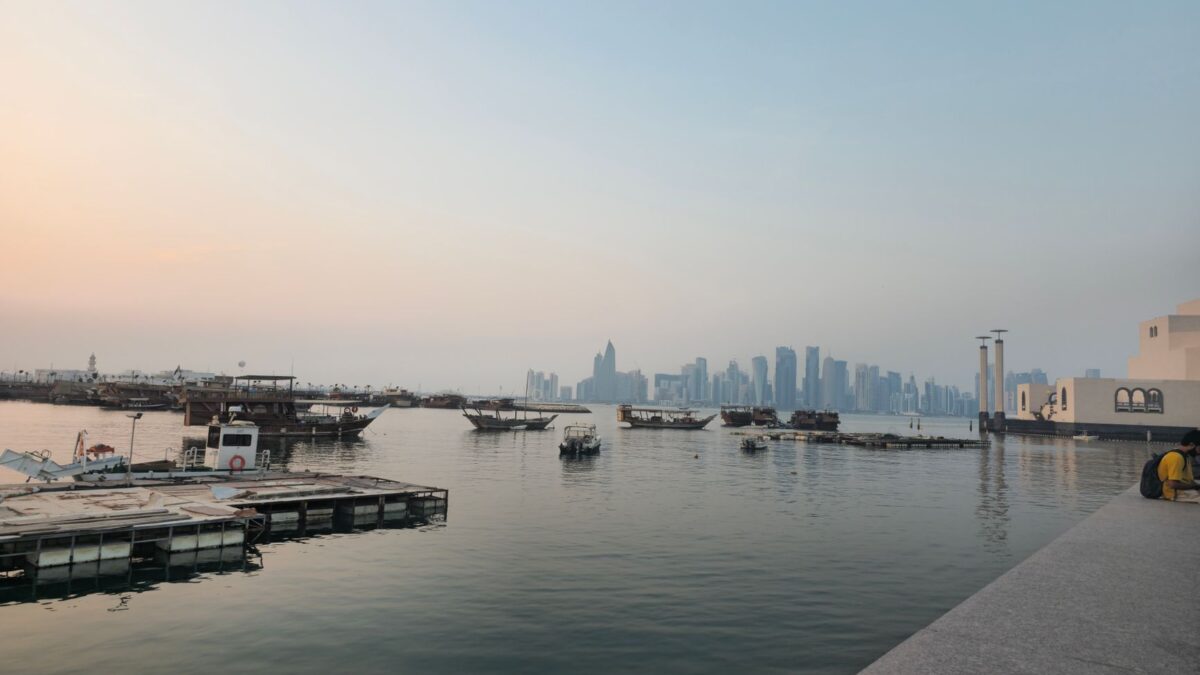
The air hangs heavy over Mutrah in August, thick with salt and the promise of an even hotter afternoon. I step out of a taxi near the souq, and the 43-degree heat hits like a wall. It’s 11am, and the city feels like it’s holding its breath — a deep-summer lull where even the seagulls seem to move in slow motion. This is Muscat in its quietest month, but getting around still requires a strategy. Forget what you know about Gulf cities with sprawling metros; Muscat is a different beast — a long, lean ribbon of coastal districts strung together by a single highway. Here’s how we actually move.
First Things First: There Is No Metro (Yet)
Let me save you the search: Muscat has no metro, no tram, no elevated rail. The government talks about a rail network as part of the Oman Vision 2040 plans, but for now, the tracks exist only in architects’ renders. What we do have is a surprisingly decent public bus system run by Mwasalat, the national transport company. It’s not the glamorous option, but it’s the real one — and it’s getting an upgrade. From 1 August 2026, Mwasalat buses have gone fully cashless. You’ll need to use the Mwasalat app to buy tickets or track your ride in real time; card payments are the only way onboard. The old habit of handing a driver a rial is gone, so download the app before you head to a stop.
The network connects the key districts — Ruwi, Mutrah, Qurum, Al Khuwair — and reaches as far out as the airport and Al Mouj. Fares are cheap, roughly 0.2 to 0.5 OMR (about $0.50 to $1.30), depending on distance. But here’s the honest truth: locals use buses mostly for commuting along the main artery, Sultan Qaboos Street. If you’re staying in a hotel and moving between beaches, malls and souqs, the bus will feel limiting. It’s reliable, air-conditioned, and clean — just not the fastest way to hop between the scattered sights.
Taxis and Ride-Hailing: Your Real Workhorses
For most of us, daily life in Muscat runs on taxis. You’ll find two kinds: the traditional orange-and-white taxis that cruise the streets, and the app-based services. Careem and Uber both operate here, and they’re game-changers, especially in summer. You can order a car from the air-conditioned lobby of your hotel, watch the driver’s location on your phone, and pay by card — no bargaining, no bellyaching in the heat.
A typical trip within the city core — say, from Ruwi to Qurum — runs you about 2 to 4 OMR ($5 to $10) on an app. Traditional taxis are sometimes cheaper if you negotiate, but in the 43-degree feels-like heat, the certainty of an app is worth the extra rial. One pro tip: the official Mwasalat taxis at the airport and major hotels are metered and trustworthy, but they’re pricier than hailing one on the street. Also, be aware that many local drivers prefer cash, so keep small notes of OMR on you — the new cashless bus system doesn’t extend to taxis.
Walking? Only in the Cool Hours
Look, I love this city on foot. The Mutrah Corniche at 6am, before the sun turns brutal, is one of the great walks of the Gulf — two kilometres of harbour front, dhows bobbing, the smell of fish from the market, and the old Lawatiya merchant houses with their carved wooden balconies. Similarly, the promenade at Bareeq Al Shatti in Qurum is made for a dusk stroll, past the W Muscat hotel and the upscale cafes. But walk in the middle of the day in August, and you’ll regret it. The overcast sky tricks you, but the humidity doesn’t; it’s like walking through a warm wet towel.
When walking beats cars? In two specific scenarios. First, inside the walled city of Old Muscat, where parking is a nightmare and the distances are short — you’ll want to walk from Al Alam Palace to the National Museum (they’re across the esplanade from each other, guarded by the 1580s Portuguese forts). Second, inside the Mutrah Souq itself — a labyrinth of frankincense, silver khanjars, and textiles that no car can enter. Beyond that, embrace the air-conditioned car. This is not a walking city in summer; it’s a driving city with pockets of pedestrian charm.
Passes and Practicalities for the Savvy Visitor
Muscat doesn’t have a single transit pass that covers buses and taxis — that’s a Singapore-style luxury we don’t have yet. For Mwasalat buses, you’ll buy single tickets in the app, and there are multi-ride bundles that offer a slight discount if you plan to use the bus a lot. But for most visitors, the economics work better with ride-hailing. To make life easier:
- Get a local SIM first. Walk into an Omantel, Ooredoo or Vodafone Oman store with just your passport, and you can get a prepaid SIM within minutes. You’ll need a local number for the Careem/Uber apps and the Mwasalat app to work smoothly.
- Arrange your visa before the airport. Apply online via the Royal Oman Police (ROP) portal for a 10- or 30-day eVisa — you’ll need a passport valid for six months, proof of accommodation and a return ticket. Visa-on-arrival is still available for many nationalities, but the online route is faster.
- Cash for taxis, card for everything else. Oman is rapidly modernising payments. Malls, cafes and most restaurants take cards, but traditional taxi drivers often prefer cash. The Omani rial is pegged at about $2.60 per OMR, so those 1-rial notes go further than you’d think.
The Seasonal Rhythm: August’s Secret
Here’s what you might not know: August is when Muscat slows down on purpose. Families have fled to Salalah for the khareef greenery, and the city’s social life moves into malls and hotel pool parties. The Sports Spark 2026 event at the Oman Convention & Exhibition Centre wrapped up on 15 August with the Muscat Night Race, and the Stal Gallery’s Annual Summer Exhibition is still showing until 20 August — a cool, quiet reprieve from the heat. If you’re here now, you’re seeing the city without the crowds.
For getting around, plan your day in pockets: morning drive to Sultan Qaboos Grand Mosque in Al Ghubrah (open to non-Muslims Sat–Thu, 8–11am), then lunch at Ramssa Omani Restaurant in Qurum, an afternoon nap in the shade, then a late-afternoon taxi to Riyam Park in Mutrah — famous for the giant white incense-burner landmark — to catch the harbour views as the light fades. The Al Mouj waterfront, with its marina and golf course, is a lovely evening destination; grab a table at Thy Yard and watch the sun dip below the yachts.
When You Just Can’t Be Bothered
There will be moments — usually around 3pm, when the heat index passes 45 degrees — when you’ll want to rent a car. I don’t blame you. Several international agencies operate at Muscat International Airport, and driving here is manageable: wide roads, light traffic (outside of peak hours), and ample parking at malls. The Muscat Grand Mall in Al Khuwair and City Centre Muscat have plenty of spaces. A rental costs roughly 12 to 18 OMR per day for a compact car, plus fuel, which is cheap. But be warned: parking near Old Muscat and the souq is a premium, and the narrow streets of Mutrah’s old quarter test your patience. My rule? Drive to the beach or the mountains, taxi for everything else.
One last thing — with the Strait of Hormuz situation in the news and residents talking about the recent tanker incidents near Khasab, you might wonder about getting around by sea. Don’t worry. The port of Sultan Qaboos and the fishing harbours at Mutrah and Al Mouj operate normally. The negotiations with Tehran over shipping routes are ongoing, but daily life in Muscat is unaffected. The only waves you’ll see are the ones lapping at Qurum Beach.
So there you have it: no metro, a growing bus app, taxis that come to your thumb, and the patience to walk only when the sun is low. Muscat asks you to slow down, and in exchange, it gives you silence, sea, and coffee at Qaha Specialty Coffee in Bawshar that’s worth the drive. See you on the corniche.
Frequently asked questions
Is there a metro or train in Muscat?
No, Muscat currently has no metro or train system. Public transport is via Mwasalat buses (cashless since August 2026) and taxis or ride-hailing apps like Careem and Uber.
How much does a taxi cost in Muscat?
A typical app-based taxi ride within the city (e.g., Ruwi to Qurum) costs roughly 2 to 4 OMR ($5 to $10). Traditional street taxis can be cheaper but often require cash and negotiation.
Are Mwasalat buses cashless?
Yes, from 1 August 2026, all Mwasalat public buses in Muscat are cashless. You must use the Mwasalat app to buy tickets or tap a card; cash is no longer accepted onboard.
What is the best way to get from Muscat Airport to the city?
Use a pre-booked Careem/Uber or a metered Mwasalat airport taxi. They are reliable and air-conditioned. Expect to pay around 5 to 8 OMR depending on your destination district.
Is it safe to walk around Muscat in August?
Walking is only comfortable in the early morning or after sunset, due to extreme heat and humidity near 43°C feels-like. Walking inside the Mutrah Souq or around Old Muscat is fine at dusk; otherwise, use taxis.
Things to do in Oman
 Private Tour to Wadi Bani Khalid & Wahiba Sand Desert with Sunset
 Private Full-Day Wadi Shab Adventure and Bimmah Sinkhole Tour
 Private Full-Day Wadi Shab and Bimmah Sinkhole Tour
 Sunset in Wahiba Sands 4x4 Adventure
 Nizwa Fort-Nizwa Souq-Birkat Al Mouz-Jebel Akhdar - Private Full Day Tour
 Private Historical Tour - Nizwa Fort - Nizwa Souq - Bahla Fort - Jabreen Castle