

Guatemala in August 2026: what travelers should know now
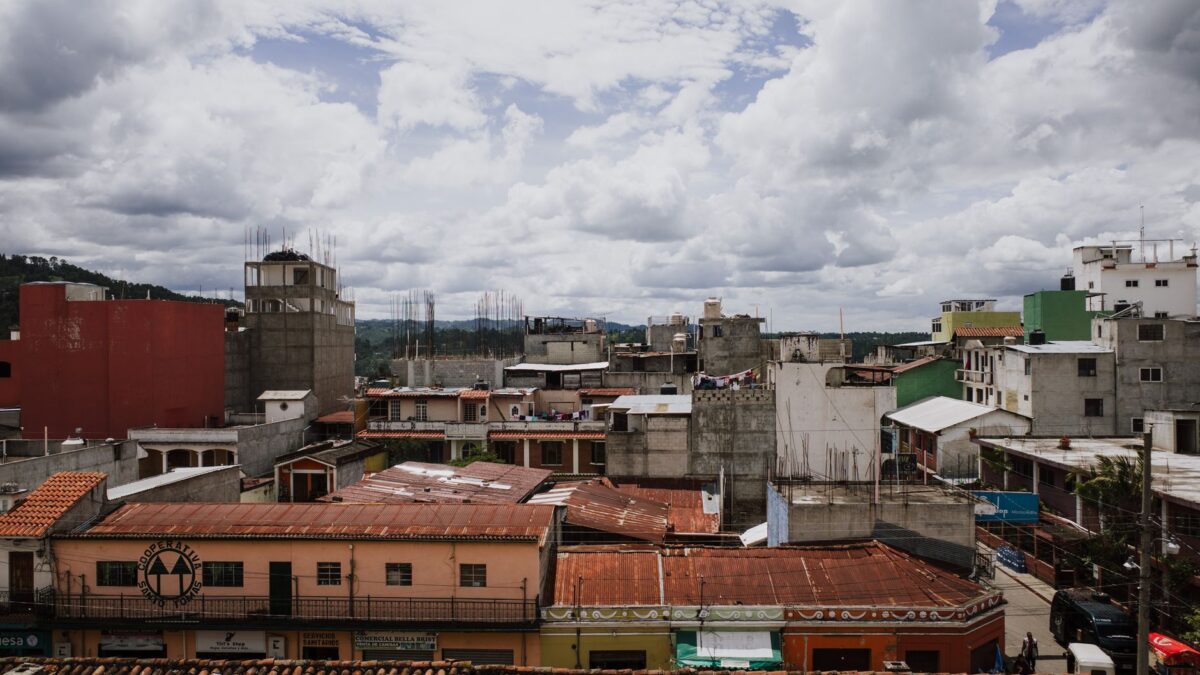
The smell of frying garnachas and sweet atol de elote hangs thick over Zone 2 this week. August in Guatemala City means one thing above all: Jocotenango, the capital’s biggest and rowdiest annual fair, and it has just wrapped its main day on August 15 — the feast of the Virgin of the Assumption. But the party doesn’t stop overnight. The fair technically runs through today, August 16, so you still have a final evening to catch the last of the 219 food stalls, 87 rides, and the free trolley-bus that ferries people along Avenida Simeón Cañas and the Hipódromo del Norte.
Yet August 2026 isn’t just about fairground lights. The city is still processing the aftermath of a major eruption of Volcán de Fuego on August 3, which put the whole country on orange alert, displaced around 1,700 people, and left ash on tens of thousands of homes. Tourist access to the Acatenango and Fuego volcano trails remains restricted, and the national route RN-14 to Alotenango is closed. If you were dreaming of that sunrise view from Acatenango, this is not the month. But the city itself is safe, the skies are clear, and the rest of Guatemala — Antigua, Lake Atitlán, the highlands — is open and welcoming.
Weather now: cool, drizzly, and easy to pack for
Right now, on August 16, Guatemala City is sitting at a mild 16–28°C (61–82°F) with light drizzle and about 1mm of rain over eight hours. That’s the rhythm of the rainy season: mornings often start clear and warm, clouds build by midday, and short showers arrive in the afternoon or evening. Sunrise is around 5:48 a.m. and sunset just after 6:24 p.m., giving you long daylight hours to explore.
For packing, think layers. The temperature swing between day and night is real — a light jacket or sweater will be your friend after sunset. A compact umbrella or a waterproof shell is essential, especially if you’re out walking in Zone 1 or catching the Transmetro. Comfortable, quick-drying shoes are a must; cobblestones in the Centro Histórico get slippery with drizzle.
Because it’s the rainy season, you’ll also see fewer international tourists than in the dry months (November to April). That means lower crowds at major sites like the Museo Ixchel del Traje Indígena or the Palacio Nacional de la Cultura, and for now, hotel prices in the capital remain almost absurdly reasonable — a double room in a mid-range guesthouse runs about Q250–400 (around $40) a night, and a filling meal at a local comedor costs Q35–55 (about $6). Your money goes far here, so take advantage.
What happened this week: Fuego, festival, and the big youth parade
If you’re just arriving, here’s the local news you need to know. The Volcán de Fuego eruption on August 3 was the big story all week. The alert level is slowly coming down, but authorities are keeping restrictions on climbing Acatenango and Fuego — both are off-limits for now. If you had booked a trek, reach out to your operator for rescheduling or refunds. The ash that fell on the capital and surrounding departments has mostly been cleaned up, but you may still see fine gray dust on cars and streets in some areas. If you have respiratory sensitivities, consider carrying a dust mask.
The good news: the cultural calendar didn’t skip a beat. On August 12, the Festival de la Juventud 2026 held its annual youth parade, La Sexta es Nuestra, through the Centro Histórico in Zone 1 — a riot of music, art, and dance that closed the streets for an afternoon. And from August 4–9, the city hosted the NORCECA U17 Boys’ Pan American Cup volleyball tournament at the Multi-Sport Dome, drawing eight national teams. Sports fans might still spot visiting players around Zone 10.
And as if that weren’t enough, Expo GT — an anime, K-pop, cosplay, and gaming convention — is happening today, August 16, at the Parque de la Industria. Expect elaborate costumes, dance showcases, and a collector bazaar that pulls in the city’s young and creative crowd. If you’re into that scene, it’s your last chance to join the fun.
The fair that owns this month: Jocotenango and the historic train
Let’s circle back to Jocotenango, because it really is the soul of August in the capital. The fair runs through today, so if you’re reading this on the 16th, go now. The main action concentrates around the Hipódromo del Norte in Zone 2, where the food stalls serve up everything from fried plantains to churros, and the marimba music never stops. The free trolley-bus that shuttles between the fairgrounds and the city center is a delightful and practical way to avoid parking hassles — just be patient; it’s popular.
If you missed the fair’s peak, here’s a secret: the Guatemala Railway Museum is running its Historic Train rides as part of the August festivities, with departures on August 8 and again on August 23. The 35-minute ride to Gerona station includes marimba music, photo-ready spots, and fair-style games. It’s a charming, low-key way to spend a Sunday afternoon, and it’s a great pick for families.
Where to go and what to skip this month
The city is your oyster, but let me steer you based on the season. Zona 1 (the Centro Histórico) is lively by day, especially around Plaza de la Constitución, the Palacio Nacional de la Cultura, and the Metropolitan Cathedral. The Mercado Central is a must for crafts and street food — grab a chuchito (steamed corn tamale) for Q8–15 (about $1.5) and a shuco (Guatemalan hot dog with avocado) for Q25–40 (about $4). But heed the locals’ advice: as night falls, the zone gets sketchy. Stick to well-lit areas and use Uber instead of hailing taxis.
For a more bohemian vibe, Zona 4 is the creative heart — street murals, indie cafés, and the Cuatro Grados Norte micro-neighborhood. Grab a coffee at El Injerto Coffee or Black Sheep Kaffee (a cup runs Q12–15, about $1.7) and soak up the scene. In the evening, head to Zona 10 (Zona Viva) for dinner and nightlife — it’s the safest area and closest to the airport. Try Rayuela for modern Guatemalan cuisine or Los Tres Tiempos for classic local dishes. A mid-range meal will set you back about Q100–200 (around $19) per person, which feels like a steal.
For a dose of culture, the Museo Ixchel del Traje Indígena and the Museo Popol Vuh on the Universidad Francisco Marroquín campus (Zona 10) are unmissable — one showcases the intricate huipiles (traditional weavings), the other holds a world-class pre-Columbian Maya art collection. And if you want a quick archaeological fix without leaving the city, the Parque Arqueológico Kaminaljuyú in Zona 7 offers grass-covered mounds that were once the heart of a Maya city — now swallowed by the modern metropolis.
Practical bytes for this month
- Transmetro: No cash on board — you must buy a prepaid card (around Q20) at stations like Plaza Barrios. Each ride is about Q1–2 (roughly $0.20), and a monthly pass is Q80 (about $10). Uber is reliable and cheap for point-to-point trips.
- ATMs and cash: Guatemala is very cash-heavy. Carry quetzales (Q) for markets, buses, and small restaurants. Larger places accept cards, but don’t rely on it.
- SIM cards: Grab a prepaid SIM from Tigo, Claro, or Movistar — sold at malls and street stands. Bring your passport, as SIMs are registered to an ID.
- Safety: Stay in Zonas 9, 10, and 14; explore Zona 1 by day. Avoid Zonas 3, 5, 6, 12, and 21. Keep phones out of sight, and save the INGUAT tourist-assistance hotline (ASISTUR) just in case.
- Volcano access: As of this writing, Acatenango and Fuego are closed. Check with CONRED or your tour operator before booking any volcano trek. Pacaya, however, is still a classic day trip about 1.5 hours away — but confirm its status with locals before you go.
August in Guatemala City is a festival that happens to have a city attached. The rain brings a freshness to the air, the streets fill with music and the scent of street food, and the prices are as gentle as the drizzle. Embrace the layers, carry an umbrella, and let the city’s rhythm guide you. Just remember: the fair ends tonight, but the marimba echoes all year.
Frequently asked questions
Is it safe to visit Volcán de Fuego in August 2026?
No, the volcano is under orange alert after the August 3 eruption, and tourist access to Acatenango and Fuego is restricted. RN-14 to Alotenango is closed. Check with local authorities before planning any volcano trek.
What is the Jocotenango fair and when does it end?
It's Guatemala City's biggest annual fair, held in Zone 2 with food stalls, rides, and marimba music. The main day was August 15, but the fair runs through August 16, so you can still catch the final day in 2026.
How is the weather in Guatemala City in mid-August?
Expect 16–28°C with light afternoon drizzle. Mornings are often clear, so plan outdoor activities early. Pack a light jacket and an umbrella for the showers.
What are typical costs for food and hotels in Guatemala City?
A meal at an inexpensive comedor costs Q35–55 (about $6), while a mid-range restaurant is Q100–200 (around $19). A double room in a mid-range hotel runs Q250–400 (about $40) per night.
Is the Historic Train ride running in August 2026?
Yes, the Guatemala Railway Museum offers Historic Train rides on August 8 and 23, with marimba music and fair-style activities. It's a 35-minute run to Gerona station.
Things to do in Guatemala
 Guatemalan Cooking Class & Market Tour
 Coffee Tour Adventure Antigua Guatemala
 Private Ground Transfer From Antigua To Guatemala City Airport
 Antigua Coffee Tour by Local Producers
 Experience: Organic Coffee, Avocados, Honey & More!
 Tikal Full Day with Dedicated Exploration of the Archaeological Monuments.