

Fiji in August 2026: what travelers should know now
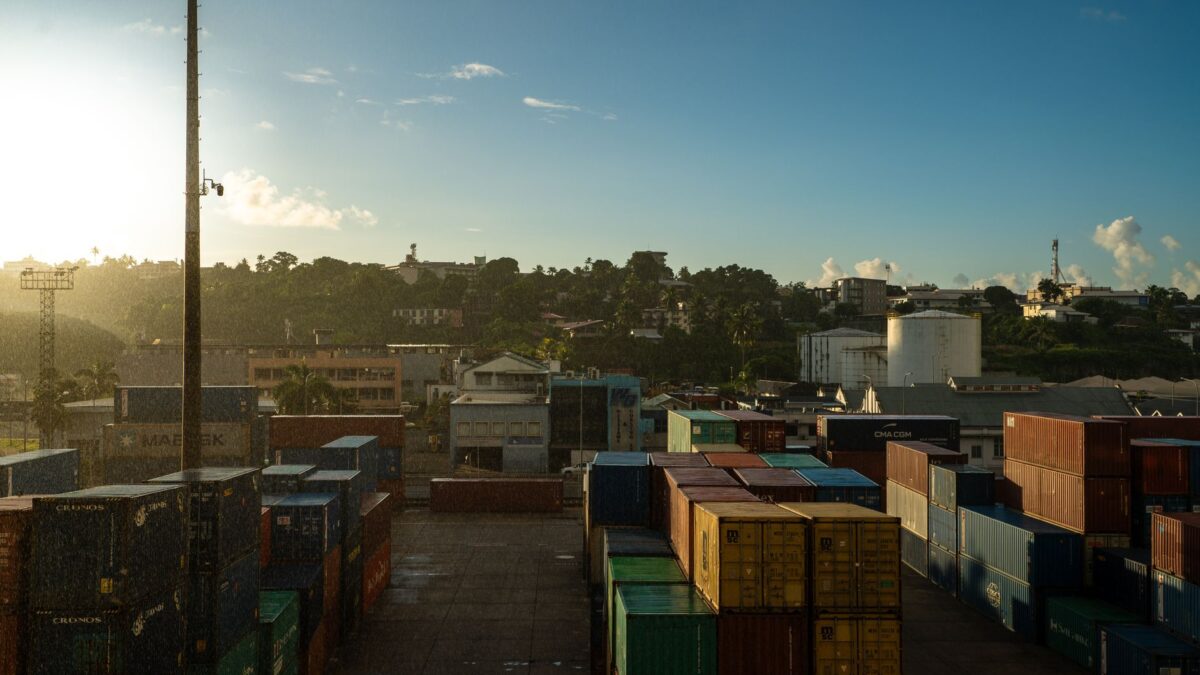
The drizzle tapping on the tin roofs of Suva this morning is a gentle reminder that we are right in the thick of the Fijian winter dry season — though “dry” here means something a little softer than the brochures suggest. As of today, August 19th, the temperature in the capital is a cool 19–23°C, and we’ve had about 2mm of rain over the past six hours. The sun is also playing a shorter game, rising at 6:23 am and bowing out by 5:56 pm. If you are arriving in the next few weeks, you are landing in the sweet spot: the weather is mild, the humidity is low, and the evening air has a crispness that makes sitting on a harbour-side veranda with a FJ$6.60 cappuccino an absolute pleasure. This is not beach-broiling heat, so pack a light jacket or a pashmina for the evenings — and an umbrella, because winter drizzle is part of the capital’s charm.
What’s On: The Political Calm and a Quiet August
One of the first things you’ll notice is how settled things feel. Since December 2022, Prime Minister Sitiveni Rabuka’s multi-party coalition has held power — a return to elected civilian rule that has steadied the ship. There are no major national holidays in the next few weeks, which means the city is operating on its normal rhythm. Banks like Westpac, ANZ, and BRED Bank are on their standard weekday hours, and government offices along Victoria Parade are ticking along. The quiet calendar is actually a boon for you: no public-holiday closures, no frantic crowds, and a genuinely local pace of life. The biggest weekend event is simply the city’s steady stream of foot traffic to the Suva Municipal Market, where the stalls are piled high with tropical fruit, yaqona (kava) root, and spices.
Money Matters: Your Fijian Dollar Is Stretching
Let’s talk numbers, because this month your wallet is in for a pleasant surprise. The Fijian dollar is trading at roughly 2.268 to the US dollar, and with inflation running at a remarkably low -1.4%, your money goes further than it did a year ago. In Suva, everyday costs are genuinely modest — about 40% of US price levels according to World Bank data. Here’s a realistic snapshot of what you’ll pay right now:
- Street-level eats: A filling plate of Indo-Fijian curry with rice, roti, and dhal at a local curry house will set you back about FJ$8–20. At the Suva Municipal Market’s food court, grab a roti wrap and curry for an even leaner FJ$5–10.
- Sit-down dining: A meal at a mid-range restaurant, like Tikos or The Hideout, runs about FJ$50 per person for three courses — a steal by global standards.
- Getting around: A single bus fare in the city is around FJ$2.05, and a monthly pass is about FJ$50. Taxis start at a base fare of roughly FJ$2.00, making them a reliable fallback after dark.
- Daily essentials: A loaf of fresh bread is about FJ$1.24, a litre of milk FJ$2.93, and a domestic draft beer FJ$8.00. A cappuccino at a spot like Coffee Culture or The Farmer’s Daughter will cost around FJ$6.60.
One heads-up: While your daily expenses are low, rents are the outlier. A modest one-bedroom flat outside the city centre runs between FJ$650 and FJ$900 per month, and utilities — driven by air-conditioning use — are the most reliably rising cost. If you’re staying in a serviced apartment or hotel, expect that reality. For short-term visitors, the Novotel Suva Lami Bay or Quest Suva offer solid bases, but nothing beats the colonial charm of the Grand Pacific Hotel, where high tea is a must-do.
Neighbourhoods & Hidden Corners: Where to Spend Your Days
Suva rewards the wanderer. The Central Business District around Victoria Parade is your working hub — colonial government buildings, banks, and the main nightlife strip. Just a five-minute walk uphill sits the Domain/Muanikau area, a leafy, upscale enclave near Government House and the University of the South Pacific; it’s widely considered the safer, pleasant part of town for a long walk. For harbour views and a lively dining scene, head to Suva Point, a seaside expat favourite. If you’re here for a longer stay or work stint, the hillside suburbs of Tamavua and Namadi are the embassy and NGO belt, offering spectacular views of the harbour.
Don’t miss the green lungs of the city. Thurston Gardens, the Victorian-era botanical garden dating to the 1880s, is free to enter and shaded by towering fig trees filled with roosting fruit bats — listen for their squabbles at dusk. Inside the gardens, the Fiji Museum holds the country’s treasures, including the Lapita pottery, the Ratu Finau double-hulled canoe, and the infamous cannibal-fork collection. For a deeper escape, Colo-i-Suva Forest Park is just a 20-minute drive from the CBD. Pay the small entry fee at the ranger station, then follow the marked trails to natural swimming pools and rope swings — a perfect Sunday reset.
Practical Know-How for August Arrivals
Visa & Paperwork
Most nationalities receive a Visitor Permit on arrival, visa-free for up to four months (120 days). Your passport must be valid for at least six months, and you’ll need to show a return or onward ticket and proof of funds. If you fall in love and want to stay longer, extensions up to two months are possible via the Department of Immigration in Suva.
Staying Connected
Pick up a tourist SIM at the airport or city stores. Two networks — Vodafone Fiji and Digicel — offer cheap prepaid data packs. Photo-ID passport registration is mandatory for real-name registration, so have it handy. The process takes five minutes.
Getting Around
Buses and minibuses run from the central Suva bus terminal near the waterfront, but they operate on cash — there is no rechargeable transit card yet. Metered taxis are the reliable fallback; from the CBD to Lami (about 10 minutes west) is a scenic, affordable ride.
Safety in the City
A word from a local: Suva has more urban crime than the resort belt. Petty theft and bag-snatching can happen, especially around the Municipal Market and the nightlife strip. Keep your wits about you, avoid quiet streets late at night, and take a taxi after dark. It’s a safe city if you stay aware.
Why This Month Is a Quiet, Goldilocks Window
August in Suva is neither peak tourist season nor the rainy off-season. You’ve missed the big school-holiday rush of July, and the December cyclone risk is months away. This means hotel rates are moderate, the city’s beaches (and the nearby Pacific Harbour and Beqa Lagoon, within an hour’s drive) are uncrowded, and you can actually get a seat at places like Crazy Bites or Moments Cafe without a wait. The weather is ideal for outdoor exploring — the mild temperatures make hiking Mount Korobaba or walking the Suva Point foreshore a genuine pleasure.
For a taste of old Fiji, book an evening at the Grand Pacific Hotel for sunset drinks, or dine at Old Mill Cottage for colonial-era charm with your curry. And if you’re here on a weekend, the Suva Handicraft Market is where you’ll find masi (painted tapa) cloth, carved weapons, and woven mats — all tangible pieces of the culture to take home. As the light fades early around 5:56 pm, plan your days to start early, wander the markets, and save your evenings for a slow dinner. Fiji in August is not about frantic sightseeing — it’s about settling into the rhythm of the capital.
Frequently asked questions
What is the weather like in Suva, Fiji in late August?
It's mild and pleasant — expect temperatures around 19–23°C with light winter drizzle. The sun rises around 6:23 am and sets by 5:56 pm, so bring a light jacket for evenings and an umbrella for brief showers.
How much does a meal cost in Suva right now?
A local curry plate with rice, roti, and dhal runs about FJ$8–20. At the Suva Municipal Market food court, grab a roti wrap for FJ$5–10. A mid-range three-course meal is roughly FJ$50 per person.
Do I need a visa for Fiji in August 2026?
Most nationalities get a Visitor Permit on arrival, visa-free for up to 120 days. You'll need a passport valid for six months, a return/onward ticket, and proof of funds. Extensions are possible via the Department of Immigration in Suva.
Is it safe to walk around Suva at night?
Suva has more petty crime than resort areas. Stick to well-lit streets, avoid the Municipal Market and nightlife strip late at night, and take a metered taxi after dark. Taxis have a base fare of about FJ$2.00.
What is the exchange rate for Fijian dollars in August 2026?
The rate is approximately 2.268 FJD per US dollar, and inflation is currently -1.4%. Your spending power is solid — daily costs are about 40% of US price levels.
Things to do in Fiji
 Vavavi - Fijian Cooking & Cultural Experience
 Private Arrival Transfer - Nadi Airport to Hotel
 CFC Approved Private Arrival Transfer - Nadi Airport to Maui Bay Properties
 Coral Coast, Fiji - Airport to hotels. Transfer
 Extreme 12000ft Tandem Jump (45 seconds free fall)
 Private Roundtrip Transfer - Nadi Airport to Fiji Marriott Momi Bay Resort