

How much does a trip to Italy cost?
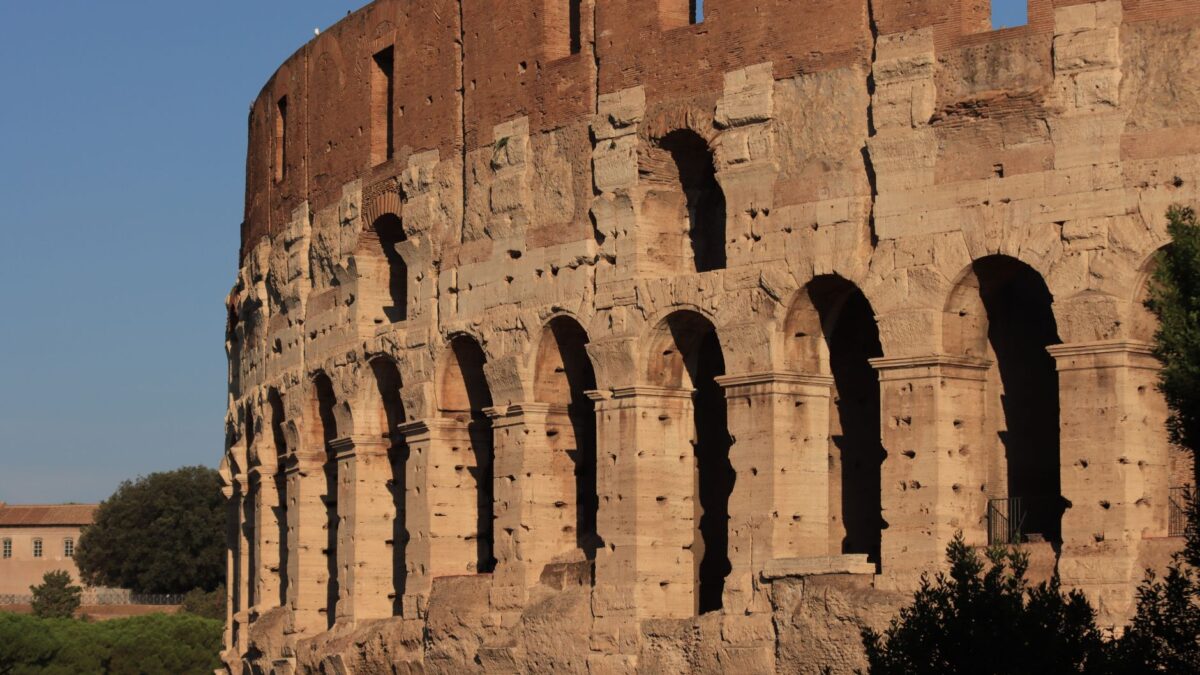
The first thing you notice is the light—a thick, golden haze over the cobblestones of Trastevere, where the scent of frying artichokes and the distant hum of a motorino mix with the bells of Santa Maria in Trastevere. It’s late August, and Rome feels like a secret that everyone somehow knows. The Romans have fled to the coast, the tourists have taken over, and the city moves at the pace of a slow, deliberate siesta. But here’s the question everyone whispers over their espresso at Sant’Eustachio Caffè: how much does this actually cost?
I’ll give it to you straight, in euros, with the real numbers I’ve seen this week. No vague ‘budget-friendly’ nonsense—just what you’ll hand over for a cappuccino, a tram ticket, a room with a view, and a ticket to the Colosseum. Because you deserve to know exactly what you’re getting into before you fall in love with this city.
Your Daily Spend: Three Ways to Do Rome
Let’s break it down into three traveler profiles. Prices are current, checked this week, and rounded to the nearest euro. The euro is roughly at parity with the dollar (about 0.924 per US$), so the numbers feel similar if you’re coming from the States.
Budget Traveler: €70–90 per day
- Accommodation: A dorm bed in a hostel near Termini or in Monti—think €25–35. You’ll find a few in Trastevere, but they fill fast.
- Food: Breakfast of cornetto and cappuccino at a local bar (€3–4). Lunch at the Mercato di Testaccio: a trapizzino and a supplì for €6–8. Dinner? A slice of pizza al taglio and a beer from a supermarket—€8–10. Total food: €20–25.
- Transport: You’ll walk everywhere, but you’ll need at least one metro ride. A single BIT ticket is €1.50 (valid 100 minutes), so budget €3–4 for two rides.
- Attractions: The big one—the Colosseum, Roman Forum, and Palatine Hill combined ticket is €18. Add the Pantheon’s €5 entry. That’s €23 for the day, but you can skip the Pantheon if you’re watching pennies.
- Extras: A gelato (€2.50–3), a coffee at Tazza d’Oro (€1.10 at the counter), and a bottle of water from a ‘nasone’ fountain—free, and perfectly cold.
Mid-Range Traveler: €150–200 per day
- Accommodation: A decent double room in a guesthouse in Monti or Prati—€80–110. Look at places like Hotel Cortina Rome or Bonnavista Inn; they’re clean, well-located, and won’t wreck your budget.
- Food: A proper Roman breakfast at Barnum Roma (€8 for coffee and pastries). Lunch at a trattoria like La Nuova Piazzetta in Trastevere: a pasta dish and a glass of house wine for €15–18. Dinner at Osteria da Fortunata—you’ll queue, but the carbonara is worth it—budget €30–35 per person including a dessert.
- Transport: A Roma 72H pass is €22, perfect if you’re staying three days. Otherwise, budget €8–10 per day for tickets.
- Attractions: Vatican Museums—book at least three weeks ahead; tickets are around €20–25. Plus the Colosseum (€18) and maybe a free evening at the Lungo il Tevere festival (until 24 August) for a riverside dinner.
- Extras: Aperitivo at a bar on Via dei Serpenti in Monti—€8–10 for a drink and snacks. A taxi across town—€15–20.
Comfortable Traveler: €300+ per day
- Accommodation: A boutique hotel near Piazza Navona—something like Elle Boutique Hotel or The Club Navona, at €180–250 a night. The location is worth every cent.
- Food: All meals in restaurants—lunch at Achille Al Pantheon di Habana (€40–50 for two courses and wine), dinner at Cantina e Cucina with the full Roman spread (€60–70 per person). Add a wine tour in the evening—€30–50 a glass.
- Transport: Private transfers or taxis everywhere—€50 for the airport run (the fixed fare from Fiumicino is €50, or take the Leonardo Express for €8—do that and spend the savings on dinner).
- Attractions: Skip-the-line tours at the Colosseum (€40–60), a private guide at the Galleria Borghese (book well in advance; it’s timed-entry and free on the first Sunday with booking, but you’ll pay €20–30 for a tour). Castel Sant’Angelo—€15–20 entrance.
- Extras: A rental e-bike on the Via Appia Antica (€15–20 per hour) on a Sunday when it’s car-free. A table at the Gianicolo at sunset—priceless.
Where to Sleep: Neighborhoods That Fit Your Vibe
Rome isn’t one city; it’s five different worlds within walking distance of each other.
- Trastevere: The bohemian heart, with cobblestone alleys and nightlife around Piazza Trilussa. You’ll pay for the charm—mid-range rooms start at €100–130. Late-night noise is a real thing; pack earplugs.
- Monti: A gentrified village next to the Colosseum—artisan shops and wine bars on Via dei Serpenti. Perfect for first-timers. Expect €90–120 for a double.
- Prati: Upscale and calm, with Art Nouveau boulevards and the Trionfale market. Good for families and those who want quiet. Rooms here run €110–150, but you’re near the Vatican.
- Testaccio & Ostiense: The foodie district—Mercato di Testaccio (closed Sundays) and nightlife near Roma Tre. Great value: €70–90 for a double.
- EUR: The modernist 1930s business district—clean, green, and Metro B-connected. Best for families and corporate types. Prices drop to €60–80, but you’re 20 minutes from the center.
- Monteverde: The locals’ favorite, near Villa Doria Pamphilj. Quiet, green, and cheap-ish (€60–90), but you’ll need buses.
Getting Around: Trams, Metros, and the Charm of the ‘BIT’
Rome’s public transport is run by ATAC. A single ticket is €1.50 (valid 100 minutes), a 24-hour pass is €8.50, a 72-hour pass is €22, and a weekly CIS pass is €29—great if you’re staying seven days. The monthly personal pass is €35, so if you’re here for a month, that’s a no-brainer.
Heads-up: This week, the Lepanto metro station on Line A is closed for refurbishment until 30 August—trains pass through without stopping. Use Ottaviano or Flaminio instead. Also, all tram services are suspended (lines 3, 5, 14, and 19) until September, with substitute buses running. And on the FL6 line to Ciampino, trains are replaced by buses from Roma Anagnina (Metro A) until 23 August. It’s a mess, but manageable—download the ATAC app and check before you leave.
For the airport: the Leonardo Express to Termini is €8 and takes 32 minutes. A taxi is a fixed €50. Choose the train—it’s reliable.
Eating in Rome: From Market Stalls to Michelin-Level Trattorias
You can eat incredibly well on a budget if you know where to go. The Mercato di Testaccio is where Roman chefs shop—try a supplì (fried rice ball, €2–3), a trapizzino (€3–4), and a plate of picchiapò (€7). Closed Sundays.
For a classic trattoria experience, Cantina e Cucina near the Pantheon serves hearty cacio e pepe for around €12–14. Osteria da Fortunata in Trastevere has fresh pasta and a queue—go early, and be ready to spend €25–30 for a full meal with wine.
On Sunday, hit Porta Portese—Rome’s largest flea market. You’ll find vintage clothes, records, and antiques, but keep your wallet in your front pocket.
Attractions Worth the Tickets
The Colosseum, Roman Forum, and Palatine Hill—a combined ticket is €18. Book ahead, because the timed entry reservation opens 30 days in advance. The new underground areas are expanded in 2026—worth the extra €5–10 for a guided tour.
The Pantheon now charges €5 to enter—book a time slot online, and it’s free for minors and EU under-25s.
Vatican Museums and Sistine Chapel—book at least three weeks ahead; tickets run around €20–25. Go early morning or late afternoon to skip the worst of the crowds.
Galleria Borghese—a must for Bernini and Caravaggio. Timed-entry only, book weeks in advance. Free on first Sunday with prior online booking—but good luck getting a slot.
For something free, head to the Giardino degli Aranci on the Aventine. On 19–30 August, the ScenArte festival brings free street theatre performances there—check it out.
Money and Practicalities: The Boring but Vital Stuff
You can pay by card almost everywhere now, but carry €20–30 in cash for smaller bars and market stalls. ATMs are everywhere; avoid ones with high fees (look for Bank of Italy or Deutsche Bank branches if you need a cash machine).
For SIM cards: Iliad at Roma Termini offers an unbeatable deal—€7.99 for 30 days with 150GB and 9GB EU roaming. You’ll need your passport to register (it’s Italian law). Vodafone and TIM have pricier tourist options (€20–30), but they have stands at Fiumicino.
Non-EU visitors need a Schengen visa (€80 base, but with fees and insurance, expect €176–224 total) and mandatory travel insurance covering €30,000+ medical. If you’re staying longer, you’ll need a Codice Fiscale and then register at the Anagrafe (e.g., Via Petroselli 50 for Monti district).
The Bottom Line
Rome is not cheap, but it’s worth it. You can do a day for €70 if you’re disciplined, or you can easily spend €300 and never feel like you’ve overpaid. The key is to pick your splurges—maybe a nice room in Monti and a blowout dinner at a place like Barnum—and then walk everywhere else. The nasoni fountains are free, the street theatre at the Giardino degli Aranci is free, and the magic of an evening on the Tiber is priceless. Buon viaggio.
Frequently asked questions
How much does a trip to Rome cost per day?
A budget traveler can get by on €70–90 per day, mid-range travelers should plan for €150–200, and if you prefer comfort, budget €300+. This includes accommodation, food, local transport, and attraction tickets.
Is Rome expensive for tourists in 2026?
Rome is moderate compared to other European capitals. A cappuccino at a bar is €1.10–1.50, a meal at a trattoria is €15–25, and the Colosseum combined ticket is €18. You can save by using the €1.50 single metro ticket and eating at markets like Testaccio.
What is the cheapest way to get from Fiumicino Airport to Rome city center?
The Leonardo Express train to Termini costs around €8 and takes 32 minutes. A taxi is a fixed €50. The train is the cheapest and fastest option.
Do I need to book Colosseum tickets in advance?
Yes, especially in peak season. The combined ticket (€18) includes the Roman Forum and Palatine Hill. Reservation opens 30 days ahead, so book as soon as you know your dates.
How much is the Roma public transport pass?
A single BIT ticket is €1.50 (100 minutes), 24-hour pass is €8.50, 72-hour is €22, and a weekly CIS pass is €29. There is also a monthly personal pass for €35.
Things to do in Italy
 Visit in Pompeii - Pompeii Private Tour with Ada
 Lake Como Private Boat Tour from Bellagio with a Local
 Private Tour explore Vulcano Island by Kayak & Coasteering
 Sassi di Matera guided tour with Giulio
 Pizza and Gelato Making Experience with Fine Italian Wine in Rome
 Discover the Magic of the Amalfi and Sorrento Coast by Vespa