
Getting around Tirana: metros, taxis and passes
It’s 6 p.m. in mid-August, and the xhiro — that cherished evening stroll — is already in full swing around the Artificial Lake. The air holds the day’s 36°C heat, but the shade of the plane trees makes it bearable. You’ll see joggers, families with strollers, and teenagers sipping iced coffees from Frut’za Vogel. But if you’re trying to cross town, the real action is on the road — and it’s a beautiful, chaotic, and entirely manageable puzzle. Here’s how to move around Tirana like a local, without losing your cool.
The Metro (Spoiler: There Isn’t One — but the Bus System Is Simple)
Tirana has no metro. The rail network is skeletal, and the central train station is a leftover from another era. So how does anyone get anywhere? By bus, by taxi, and — most of all — by foot. The city bus system runs on a municipal smart-card system called the Karta e Transportit. You can buy single tickets in cash from the driver for about 40 lekë (≈ $0.40) — that’s one of the cheapest bus fares in Europe. But the smart card is your friend for longer stays: load it up, tap, and you’re good for the whole network. For a monthly pass, you’ll pay roughly 1,500–2,600 lekë (≈ $22) — cheap enough that even the most budget-conscious expat won’t wince.
Buses are frequent on main arteries like Rruga e Durrësit and Boulevard Zogu I, but schedules are… flexible. That’s why locals joke that the bus arrives when it arrives. If you’re in a hurry, you’ll want a taxi app. There’s no Uber or Bolt in Albania — instead, download Speed Taxi or Clust. A short ride starts at about 300 lekë (≈ $3), and an 8-kilometre trip across town will set you back around 2,100 lekë. Not bad. But for the centre, trust me: walking beats everything.
Taxis and Ride-Hailing: When You Need a Wheel
Taxis are plentiful, but you need to know the drill. Official cabs have yellow-and-black signs, and you can hail them on the street or order via the apps. The apps are safer — they show the fare upfront, so no haggling. Prices are reasonable: the base fare is around 300 lekë, and a cross-town jaunt from Blloku to Komuna e Parisit might cost you 600–800 lekë. For the airport (Rinas), most taxis negotiate a flat fee of roughly 2,500–3,000 lekë — ask the driver to use the meter or agree on a price before you get in.
One golden rule: avoid the touts at high-traffic spots like Skanderbeg Square or outside the Pyramid. Walk a block away and call an app. It’ll be the same driver, but you’ll pay the proper fare. And remember, if you’re heading to Sauk — the poshest quarter, with its embassies and villas — you’ll definitely want a car. It’s too far to walk, and buses there are rare. But that’s the exception. In the centre, you’re better off on foot.
Walking: The Real Local Move (Especially at Dusk)
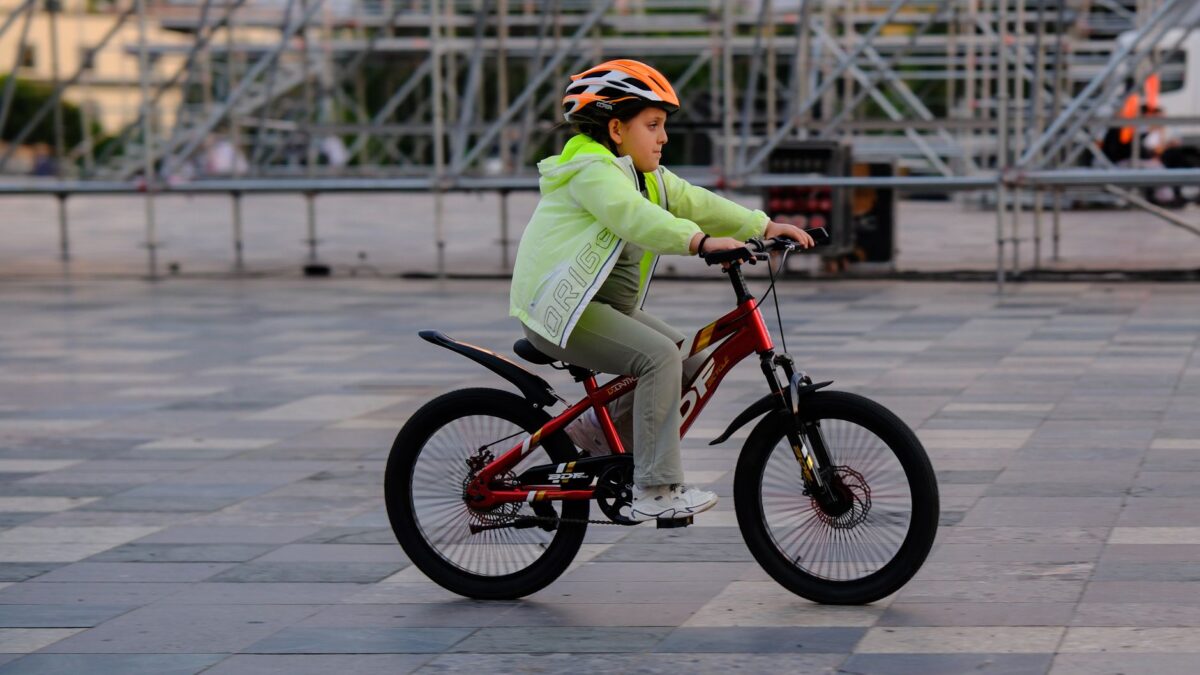
Tirana is a walker’s city. From Skanderbeg Square, you can stroll past the Et’hem Bey Mosque and clock tower, weave through the pedestrian-only streets of the Blloku, and reach the Grand Park in 25 minutes. The boulevard that slices through the centre — Dëshmorët e Kombit — is closed to cars on evenings and weekends, turning into a river of strollers and cyclists. That’s why the xhiro is sacred: it’s the time to see friends, gossip, and watch the city slow down.
In the heat of August, you’ll want to plan your walks for the golden hours. From 11 a.m. to 4 p.m., the sun is relentless — that’s when you grab a coffee at a shaded terrace like The Back Room or Café Momus, both in Blloku. But come 5 p.m., the temperature drops, and the city reawakens. The Grand Park loop — about 3 kilometres around the lake — is the perfect evening walk. And if you’re feeling adventurous, climb to the Dajti Ekspres cable car for a panoramic view over the city as the lights flicker on.
Passes and Fares: How to Save Without Thinking
If you’re staying more than a few days, get a smart card and load a weekly or monthly pass. The monthly pass is about 1,500–2,600 lekë, which is less than a week of coffees — you won’t find a better deal. The card works on all city buses, and you can top it up at kiosks near major stops or at the central market. For pensioners (women 60+, men 65+), there’s a free Karta e Pensionistit — a lovely touch that locals still use today.
One caveat: buses can be crowded in the morning rush (7:30–9 a.m.) and evening (5–7 p.m.). If you’re carrying luggage or just want to avoid the squeeze, take a taxi. The cost might be 10 times a bus fare, but it’s still a fraction of what you’d pay in London or Paris. And if you’re staying in a neighbourhood like Komuna e Parisit or Tirana e Re, you’ll find that buses are more for commuters than for tourists. Your feet are your best ticket to the city’s soul.
Weather, Protests, and a City That Moves
August in Tirana is hot — 21–36°C, partly cloudy, with light until 7:33 p.m. You’ll want a hat and water for any afternoon walk. But there’s a bigger factor to mention: since late May, the Flamingo Revolution protests have been a daily fixture. Every evening, crowds gather near the Prime Minister’s office and march down the main boulevard, blocking central traffic. It’s peaceful but disruptive. If you’re out at 6 p.m., you might find the boulevard impassable.
My advice? Don’t avoid it — observe it, respectfully. The protesters are asking for reform, and their persistence is part of Tirana’s story. You’ll see families, students, and veterans walking together. The energy is electric. But plan your evening taxi rides to avoid the area between 6 and 9 p.m. And if you’re trying to reach a restaurant like Oda or Mullixhiu in the Pazari i Ri, you’ll be fine — just give yourself extra time.
Despite the protests, the city is buzzing. The 2026 Taste of Korea festival takes over the Grand Park amphitheatre on August 21 — a free evening of K-pop and bibimbap. And the National Historical Museum remains closed for renovation until 2028, which is a shame, but the Pyramid of Tirana (now TUMO) is open to climb and slide down. The House of Leaves museum is open for a chilling look at state surveillance under Hoxha. Tirana is not a city that stands still — it hums with construction, café chatter, and the occasional protest chant.
Final Pro Tips from Your Local Friend
- Download both taxi apps — Speed Taxi and Clust. Compare prices; they vary slightly.
- Never take a taxi from the airport without agreeing on a price — the meter is usually fine, but a flat 3,000 lekë is fair.
- Carry small bills — drivers rarely have change for 5,000 lekë notes.
- Walk the Blloku and Komuna e Parisit — these are safe, leafy, and beautiful, even at night.
- If you see a protest, don’t panic — it’s not dangerous, just noisy. Enjoy the spectacle, but keep moving.
Tirana’s transport isn’t perfect, but it’s honest. There’s no gleaming metro, no bullet trains — just buses, taxis, and the oldest form of transport: your own two feet. And that’s exactly how you’ll fall in love with this city. So get out there, take a wrong turn, and let the xhiro guide you. You’ll be fine — and you’ll be hooked.
Frequently asked questions
Is there a metro in Tirana?
No metro exists. The city relies on buses, taxis, and walking. The bus system is functional but schedules are flexible.
How much does a bus ticket cost in Tirana?
A single bus fare costs about 40 lekë (≈ $0.40) if bought from the driver. A monthly pass is approximately 1,500–2,600 lekë.
Are there ride-hailing apps in Tirana?
No Uber or Bolt. Use Speed Taxi or Clust, both reliable local apps with upfront fares.
Is it safe to walk in Tirana at night?
Yes, the centre and Blloku are very safe, well-policed, and busy. Keep normal street smarts in outer areas like Kombinat.
What are the evening protests about?
The Flamingo Revolution has been holding daily marches since May 2026, calling for political reform. They're peaceful but may block traffic in the centre.


