

A week in Rabat on a mid-range budget
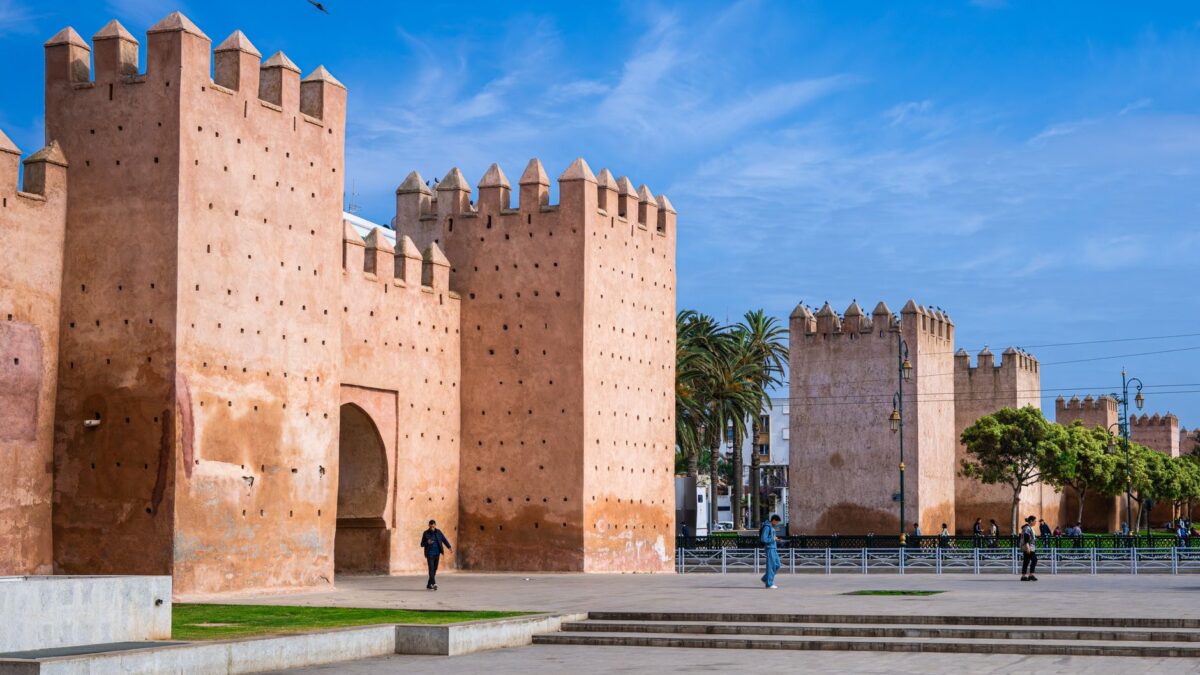
The first thing you notice in Rabat in late August is the light — a soft, overcast glow that keeps the 23–28°C heat from ever feeling cruel. I landed on the morning of August 20th, the Revolution of the King and the People, and the city was already dressed in flags. The tram was humming, the cafés along Avenue Mohammed V were full, and by the time I checked into my riad in the medina, I knew this week was going to be something special. Here’s exactly what it cost me, day by day, in Moroccan dirhams (MAD).
Day 1: Arrival, the Medina, and a First Taste of the Souk
After dropping my bags at a riad near Bab Chellah (a modest double room in the medina will set you back around 400–500 MAD a night — book early, because the city is still buzzing from the WAFCON final), I headed straight to the Medina. I entered through Bab El Had and wandered down Rue Souika, the main shopping spine. Street food is your friend here: a plate of kefta with eggs, bread, and mint tea costs about 40 MAD per portion. For a heartier sit-down, Dar Al Fawakih Medina does a decent chicken tagine for around 80 MAD.
In the late afternoon, I walked up to the Kasbah des Oudaias — those blue-and-white lanes are even more photogenic in the flat, overcast light. Entry is free. I treated myself to mint tea at Boho Café overlooking the Bou Regreg (about 15 MAD for a glass), and watched the fishing boats. Dinner was a simple affair at a street stall near the Kasbah gate: a meat-and-egg sandwich with bread and a soft drink, about 21 MAD. Total spend: roughly 550 MAD.
Day 2: Hassan Tower, the Mausoleum, and a UNESCO Morning
Start early at the Hassan Tower — the unfinished 1195 Almohad minaret is the city’s symbol, and the esplanade of stunted columns is free to wander. Right next door is the Mausoleum of Mohammed V, where you can watch the ceremonial cavalry guard change post. No entry fee, just respect (and modest dress).
For lunch, cross to the Agdal district — the commercial heart of the city — and try Little Mamma Agdal for a hearty pasta or pizza for about 60–80 MAD. In the afternoon, I visited the Mohammed VI Museum of Modern and Contemporary Art (entry around 30 MAD for foreigners, less for residents). It’s small but beautifully curated, and it’s across from the Archaeological Museum.
Dinner was a neighborhood tagine — beef with prunes — at a tiny place near the Hassan district: about 80 MAD again. Add a taxi ride or two (short hops are 10–15 MAD), and the day comes to around 300 MAD.
Day 3: Chellah, Storks, and a Solar Eclipse Afterglow
This was my favorite day. The Chellah archaeological site — a walled compound of Roman Sala Colonia and a Marinid necropolis — costs about 10 MAD to enter. Inside, white storks nest on the crumbling minarets, and the atmosphere is haunting and green. It’s a 20-minute walk from the tram station or a cheap taxi.
For lunch, I went to Qaouti House Fast Food Snack Rabat near the medina — a local spot where a full plate of grilled meat with bread and salad comes to around 50 MAD. In the late afternoon, I walked along the riverfront promenade to the Marina de Rabat. There’s a lovely open-air library that just opened under the UNESCO World Book Capital program — one of three new neighborhood libraries, with more planned at the Botanical Test Garden and tram stations in September.
That evening, I caught up with a friend who’d watched the partial solar eclipse on August 12 — it hit about 88% obscuration in Rabat, and people were out with eclipse glasses near the Kasbah. It was a real moment. Dinner: another tagine, this time kefta, at a family-run spot near Bab El Had for about 80 MAD. Total: around 200 MAD.
Day 4: Agdal, Modern Art, and a Coffee Crawl
Rabat is a city of cafés, and Agdal is the epicenter. I spent the morning at Edmonton Coffee House — a flat white there costs about 25 MAD — then moved to Unique Coffee for a pour-over (30 MAD). Lunch was a quick and excellent chicken tagine at a mid-range restaurant near Mohammed V University: about 100 MAD.
In the afternoon, I wandered through the International Fair and Museum of the Prophet’s Biography and Islamic Civilization (English name for the Arabic المعرض الدولي للسيرة النبوية بالرباط) — a fascinating, modern museum with interactive exhibits, entry around 40 MAD. It’s a great way to understand the religious and cultural context of the city.
Dinner was at Dar Lwalida Rabat, a charming riad-restaurant in the medina where a full Moroccan feast (salads, tagine, fruit) runs about 150 MAD. Treat yourself. Total: around 350 MAD.
Day 5: Salé, the Tram, and a Day of Contrasts
Take the tram across the Bou Regreg to Salé — a single ride costs 7 MAD (that’s the post-July-2025 fare). Spend the morning in Salé’s medina, which is less touristy and more authentic. Street food here is a bargain: a full meal of meat, bread, and a drink is about 25 MAD. The Salé bridge area is best avoided after dark, but by day it’s fine.
Back in Rabat, I had a late lunch at Café Crème (a club sandwich and coffee, about 60 MAD), then spent the afternoon at the Andalusian Gardens inside the Kasbah — free and beautifully manicured. In the evening, I went to Hatch for a cocktail (around 50 MAD) and watched the sunset over the ocean. Total: around 180 MAD.
Day 6: Hay Riad and the Modern Face of Rabat
Today I explored Hay Riad, the upscale new business district around the Mohammed VI Tower. It’s a different world — glass towers, wide boulevards, and some of the city’s best cafés. I had a late breakfast at Unique Coffee (yes, again — it’s that good) for about 40 MAD.
For lunch, I went back to Agdal to exchange some money at one of the licensed bureaux on Avenue Fal Ould Oumeir — the dirham is a closed currency, so always keep your receipts. I also stopped by Attijariwafa Bank to check my balance (they’re everywhere, open late). Lunch was a quick but excellent kefta plate at a local eatery: 40 MAD.
In the afternoon, I walked the riverfront from the Kasbah to the Marina, and in the evening I caught a concert at the Grand Theatre of Rabat — the Zaha Hadid building is stunning at night. Ticket prices vary; I paid around 150 MAD for a decent seat. Total: around 250 MAD.
Day 7: Final Morning, Final Tagine, and the Numbers
On my last morning, I watched the Youth Day (August 21) festivities begin — there were processions and music in the medina. I had a final breakfast at Dar Al Fawakih Medina (around 50 MAD), then walked to the Mausoleum one last time to see the cavalry in full dress.
So, what does a week in Rabat cost on a mid-range budget? Here’s the rough breakdown (all approximate, in MAD):
- Accommodation: 7 nights at ~450 MAD/night = 3,150 MAD (~$315)
- Food: ~7 lunches at 60 MAD + ~7 dinners at 100 MAD = 1,120 MAD (~$112)
- Transport: Tram and bus tickets plus a few taxis = 150 MAD (~$15)
- Attractions: Chellah, museum, and one concert = 220 MAD (~$22)
- Extras: Coffee, mint tea, and street snacks = 200 MAD (~$20)
Total: around 4,840 MAD (~$485) — and that’s a comfortable, no-stress week. You could easily do it for less by eating street food every day and skipping the concert, or spend more if you choose a fancier riad. But this budget gives you the real Rabat: the medina, the kasbah, the river, the storks, and the calm, orderly rhythm of Morocco’s capital. You’ll leave with a full heart and an empty wallet — but not by much.
Frequently asked questions
How much does a week in Rabat cost?
For a mid-range budget, expect to spend around 4,800–5,000 MAD (~$480–500) per person for a week, including a modest riad, meals, transport, and a few attractions.
Is Rabat an expensive city to visit?
Rabat is now Morocco's most expensive city for rent, but for tourists it's still affordable. A budget meal costs 40–60 MAD, a mid-range tagine about 80–120 MAD, and a tram ride just 7 MAD.
What is the best way to get around Rabat?
The Rabat-Salé Tramway is efficient — a single ticket costs 7 MAD, and a monthly pass (IRTIYAH) is 270 MAD. Buses (Alsa) are also available at 6.50 MAD per ride. Taxis are cheap for short hops.
Are there any free attractions in Rabat?
Yes — the Kasbah des Oudaias, Andalusian Gardens, Hassan Tower esplanade, and the Mausoleum of Mohammed V are all free to enter. Chellah costs around 10 MAD.
Do I need a visa to visit Morocco?
Citizens of roughly 70 countries (US, Canada, UK, EU, Australia, New Zealand, etc.) enter visa-free for up to 90 days with a passport valid 6+ months. Others can apply for an e-visa via Access Maroc.


