

Getting around Nairobi: metros, taxis and passes
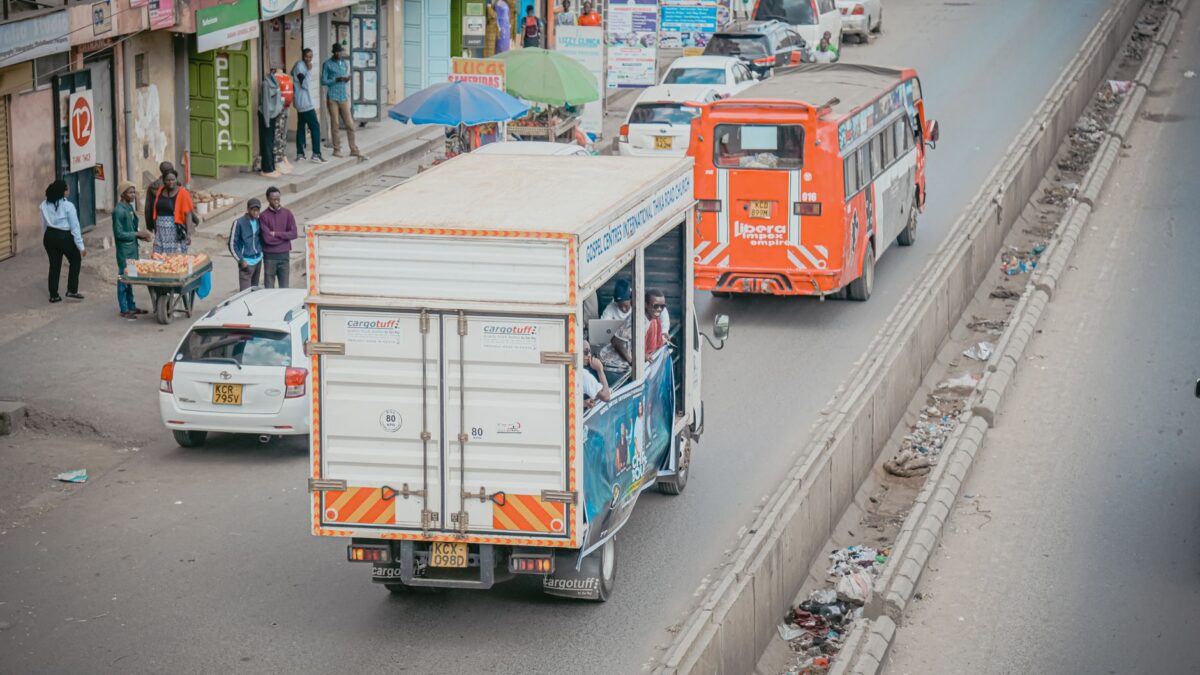
It’s 6:40 on a Tuesday morning in mid-August, and the overcast sky over Nairobi is doing that thing it does — holding its breath until the sun burns through around ten. You’re standing at the Kencom bus stop on Moi Avenue, the city’s chaotic, glorious transport heart, watching a matatu with purple neon underglow and a bass system that could register on the Richter scale pull up. The conductor (we call him a “manamba”) leans out, yelling the route — “Westlands! Westlands!” — and you squeeze in, because that’s how Nairobi moves. Not with a tap-and-go card, not with an app (though apps help), but with cash, patience, and a healthy respect for the chaos.
I’m Baraka, and I’ve lived here long enough to know that moving around Nairobi is a skill you learn, not a system you read about. Let’s break it down — from the commuter rail to the ride-hail apps to the moments when your own two feet are the smartest option.
The matatu: Nairobi’s nervous system
If you’re visiting, you’ll hear about matatus before you even land. These minibuses — usually Toyota vans or the bigger 14-seaters — are the backbone of public transport. They’re cash-first, they run every route you can imagine, and they’re faster than they have any right to be. A single fare from the CBD to Westlands, the commercial hub along Waiyaki Way, is about KSh 60–100 (roughly $0.60 at the current exchange rate of about 134 KES per US dollar). As of July 2026, that fare hit KSh 100 on some routes — a 67% jump from the year before, part of a broader transport inflation spike of 15.6% that has everyone grumbling. But it’s still cheaper than a taxi, and it’s how most of the city’s 4.4 million people get to work.
Here’s how it works: find a matatu stage (the main one is outside Kencom bus station in the CBD), tell the manamba your destination, and he’ll wave you onto the right vehicle. Pay in cash — small notes, because change can be tricky. Don’t expect a receipt. If you’re nervous, sit near the front and watch how locals do it. It’s loud, it’s cramped, and the music is always at maximum volume — but it’s the fastest way to feel like a Nairobian.
A warning: the National Transport and Safety Authority (NTSA) has been running an aggressive pedestrian crackdown lately, especially around footbridges on highways like Thika Road. I’ve seen officers at Allsops footbridge netting 50+ people in one day for crossing at road level instead. So when you’re walking near any expressway or highway, use the footbridge — it’s not just safer, it’s legally required right now.
The commuter railway: a hidden gem (if you time it)
Most tourists never ride Nairobi’s train, which is a shame. The Nairobi Commuter Railway runs from the city-centre station (next to the old railway museum, a nod to the 1899 Uganda Railway that birthed this city) out to Syokimau and Embakasi. It’s cheap, it’s reliable, and it avoids the notorious traffic on Mombasa Road. The trains are basic — think old carriages with hard seats — but they’re clean, and the views of the city’s underbelly are intriguing. Fares are a few hundred shillings, far less than a taxi, but the schedules are limited to peak hours, so you need to plan around them. Check the Kenya Railways website for current times; don’t rely on a transit app, because coverage is spotty.
There’s no unified tap-and-go card. The old ‘Beba’ smartcard was retired years ago, so you pay cash at the station or use phone-based payments where accepted. It’s a bit quaint, but it works.
Ride-hailing: Uber, Bolt, and Little
When you need to get somewhere without the matatu drama — or you’re carrying luggage, or it’s after dark — ride-hailing is your friend. Uber and Bolt are the big players, and Little is a local option with decent coverage. Fares are metered by app, and you pay via card or M-Pesa (more on that in a sec). A trip from, say, Westlands to Kilimani, the high-rise neighbourhood with all the cafés, might cost you around KSh 500–800 depending on traffic — call it $4–6. It’s pricier than a matatu, but it’s door-to-door, and you don’t have to haggle.
Pro tip: always confirm the license plate and driver before getting in, especially at night. And never hail a taxi from the street — use the app. The city has a real risk of snatch theft, and you don’t want to make yourself a target.
When walking beats them all
Here’s the contradiction of Nairobi: it’s a car city, but it’s also a walking city — if you know where to go. In the cooler months like now (mid-August, with highs of 26°C and a crisp overcast morning), a walk from the CBD to the Nairobi Arboretum is an absolute joy. You’ll pass through the leafy streets of Kilimani, past Yaya Centre and the Junction Mall, and suddenly you’re among 300-year-old trees. Similarly, the 1,000-hectare Karura Forest, with its waterfalls and Mau Mau caves, is a short walk from the Lavington and Gigiri neighbourhoods — and it’s a world away from the honking traffic. For those, wear good shoes and carry water; the altitude (1,600m) catches some visitors off guard.
When does walking beat everything? Between 11am and 2pm on weekdays, when the sun is high and the CBD’s streets are clogged with traffic. Also on Sundays, when the city takes a breath and you can stroll from the National Museum (home of the ‘Turkana Boy’ fossil) down to the Nairobi River — though stick to the main paths for safety.
Practical bits: money, SIMs, and safety
You can’t talk about getting around without talking about M-Pesa. Safaricom’s mobile money service is how everyone pays — from the matatu manamba (some now take it) to the market vendor selling avocados. You’ll need a local SIM to use it, and that requires your passport for registration. Buy a Safaricom or Airtel line at a shop in the CBD or at the airport; it’s quick. Once you’re set up, you can pay for ride-hailing, rent a bike, or even buy coffee at a place like Cafe AMKA on Ngong Road. For longer stays, open a bank account at Equity Bank (they have the best M-Pesa integration) — you’ll need your passport, a KRA PIN (get it via iTax portal), and proof of address. It takes about a week, so plan ahead.
On safety: Nairobi is not dangerous if you’re sensible. Use ride-hailing at night, don’t flash your phone on the street, and stick to the well-trodden areas like Westlands (Sarit Centre, Westgate Mall) or the diplomatic belt in Gigiri. The safest residential zones — Karen, Lavington, Kileleshwa — are gated and patrolled, but they’re also far from the action. For a tourist, staying in Kilimani or Westlands is ideal.
What’s happening in the city right now
If you’re reading this in late August 2026, you’re in luck — Nairobi is buzzing. The Africa Food Show and Hotel Expo Kenya are wrapping up at the KICC, bringing traders and visitors into the CBD. On August 22, Otamatsuri, the anime and manga convention, takes over Carnivore Grounds with cosplay and gaming. And the Nairobi International Comedy Festival runs from August 25–30, with pan-African stand-up at places like K1 Klubhouse and the Laugh Bar Chemi Chemi. These events add a layer of excitement to the usual traffic and chaos — and a great excuse to practice your walking skills.
One more thing: the political mood. Since the Gen Z-led protests in 2024, there’s a heightened sense of social awareness here. You’ll see posters about cost-of-living, and you might hear people talking about the arrest of activists outside Jogoo House. Be respectful, stay neutral, and you’ll be fine. Kenyans are famously welcoming, and a smile goes a long way.
So get out there — take a matatu, stroll through Karura, and when the traffic snarls, just remember: you’re in a city that moves to its own rhythm, and with a little local know-how, you’ll move with it.
Frequently asked questions
How much does a matatu cost in Nairobi?
A typical matatu fare from the CBD to Westlands is about KSh 60–100 (around $0.60), with some routes hitting KSh 100 as of mid-2026. You pay in cash to the conductor, and routes stage at Kencom in the city centre.
Is there a metro or train system in Nairobi?
Yes, the Nairobi Commuter Railway runs from the city-centre station to Syokimau and Embakasi, but it’s mainly for peak-hour commuters. There’s no unified tap-and-go card, so you pay cash at the station.
What’s the best way to get around Nairobi as a tourist?
Use ride-hailing apps like Uber or Bolt for safety and convenience, especially at night. During the day, matatus are fun and cheap, and walking is great in cooler areas like Kilimani or Karura Forest. Always confirm your driver and use the app rather than hailing from the street.
Do I need a local SIM card for using transport apps in Nairobi?
Yes, you’ll need a local Safaricom or Airtel SIM registered with your passport to use M-Pesa mobile payments, which are widely accepted by matatus and ride-hailing. It’s easy to buy at the airport or in the city.
Is it safe to walk around Nairobi?
Walking is fine in daylight in areas like Kilimani, Westlands, and Karura Forest, but avoid walking alone at night and stick to footbridges near highways — NTSA has been arresting jaywalkers. Use ride-hailing after dark.


