From the airport into Nairobi: every option and what it costs
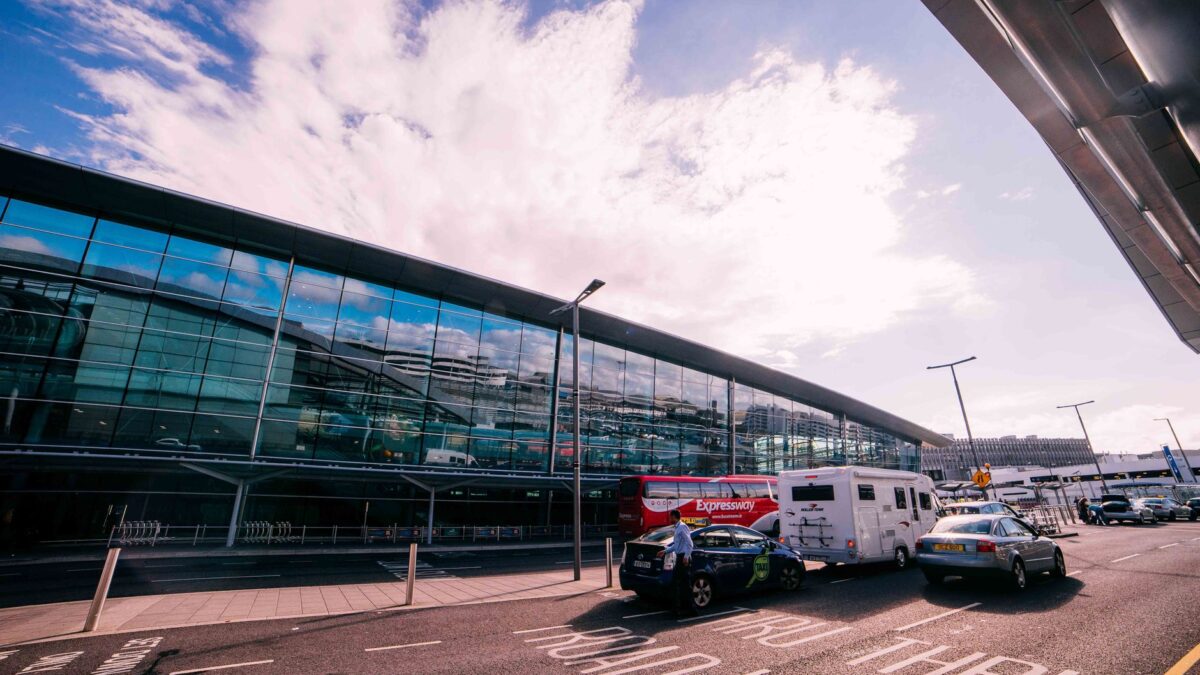
The first thing that hits you when you land at Jomo Kenyatta International Airport (JKIA) is the sky. Even in the cool, dry Kipupwe season, that overcast Nairobi lid traps the heat of the tarmac and the noise of a dozen idling engines. But you’re not here for the airport — you’re here for the city. And the journey from JKIA into Nairobi is your first taste of how this place moves: chaotic, efficient, and full of workarounds.
I’ve done this trip a hundred times, as a resident, not a tourist. Here’s your honest breakdown of every way to get from the airport into the city, what it costs in Kenyan shillings, and which one I’d pick depending on your plans.
The Train: Cheap, but Not Always Convenient
Kenya’s commuter rail is the underdog of airport transfers. The Nairobi Commuter Railway runs from the city-centre station (Nairobi Railway Museum is right there, a nice bit of history) out to Syokimau and Embakasi. But here’s the catch: JKIA is not directly on the main line. You’ll take a train to Embakasi or Syokimau, then a short matatu or taxi hop to the airport terminals. Fares are around KSh 100–200 (a couple of US dollars), and the ride is scenic in a “you’re passing through industrial Nairobi” kind of way.
But honestly, I only recommend this if you’re on a tight budget, have light luggage, and know someone meeting you at the station. The schedule is not frequent, and the last-mile hassle can eat the savings. If you’re arriving at midnight, forget it.
The Bus: The Local Way, With a Caveat
Public buses and matatus (those minibuses that cost about KSh 100 for a CBD–Westlands run) do pass near JKIA. You’ll likely find a matatu from the airport area to a stop like Embakasi or Pipeline, then transfer to another into town. Total cost: maybe KSh 100–200. It’s the cheapest route, but I’d only attempt it if you’re a seasoned Africa traveller with a backpack and a phone that has offline maps.
One thing to know: Nairobi is running a very aggressive pedestrian safety crackdown right now. NTSA officers are arresting people who cross highways instead of footbridges — there was even a big operation at Taj Mall Transami and another at Allsops footbridge that netted 50+ people. So do not, under any circumstances, try to jaywalk from a bus stop to your hotel. Use the footbridges, or you might end up with a fine and a delay.
The Taxi (Ride-Hailing): The Sweet Spot for Most
Uber, Bolt, and Little are your friends here. From JKIA to the CBD or Westlands, expect to pay around KSh 1,500–2,500 (roughly $20–30), depending on traffic and surge. To Karen, Kilimani, Lavington, or Kileleshwa, budget KSh 2,000–3,500. The ride takes 30 to 60 minutes, and I’m telling you now: traffic is the wildcard. If you land at 5pm, add an hour.
My pick for most first-timers: Open your Uber app, screenshot the plate, and confirm the driver’s name before you get in. It’s safe, you know the price, and you can pay by card or M-Pesa (you’ll need a local SIM for that, but that’s a separate tip). If you’re staying in Westlands or Gigiri, Bolt often has lower prices.
One local trick: ask the driver to take the Southern Bypass if they think the Mombasa Road is jammed. It adds distance but can save 30 minutes during peak hours. Yes, you might pay a bit more, but your sanity is worth it.
Private Transfer: For the Comfort-Seeker and the First-Time
If you’ve booked a hotel like The Boma Nairobi or the Ngong Hills Hotel, they’ll often arrange a private car for around KSh 3,000–5,000 (about $40). It’s the most expensive option, but you get a driver who waits for you at arrivals with a sign, helps with your bags, and knows the best route to avoid the traffic snarls.
The Karen and Muthaiga set — the diplomatic belt — often use private transfers because they’re moving with luggage and loved ones, not just a backpack. If you’re arriving after a red-eye and your brain is mush, this is the one. It’s worth the extra bob to have a cold bottle of water and a smooth ride to your pillow.
The only downside? It’s the priciest option and you’ll need to pre-book, which adds a layer of planning you might not want at 3am.
A Word on Money and Safety
First, the currency. Kenya uses shillings, and at last check, the rate was around 134 shillings to the dollar. Prices are changing fast — transport inflation hit 15.6% this year, and matatu fares jumped 67% in a year — so what I’m quoting (KSh 60–100 for a short matatu ride) might be higher by the time you read this. Always ask locally, and don’t be shy to negotiate with taxi drivers if they quote you a figure that seems high. That said, ride-hailing apps have fixed rates, so use them as a baseline.
Safety in Nairobi is about street smarts. Don’t flash your phone on Moi Avenue, don’t walk alone at night in the CBD, and always use footbridges. The city is vibrant, but snatch theft is real. Stick to the recommended areas — Karen, Runda, Lavington, Kileleshwa, Kilimani — and you’ll be fine.
Also, if you’re heading to the David Sheldrick Wildlife Trust (the elephant orphanage is open 11am–noon), the Giraffe Centre, or the Nairobi National Park, note that they’re all on the same side of town as the airport — so you can swing by these spots before you even check in.
When to Pick What
- If you’re solo, backpacking, and broke: bus and matatu, but only if you’re confident and it’s daytime.
- If you’re a couple or solo with a suitcase: Uber or Bolt is the best all-rounder.
- If you’re travelling with kids, or arriving late, or want to feel like a VIP: book a private transfer.
- If you’re feeling adventurous and want to see Nairobi up close: take the train to Embakasi, then a taxi. It’s not the fastest, but it’s a story.
Whichever you choose, give yourself an extra hour. Nairobi is not a city you can rush. The overcast mornings will cool you, the late-afternoon sun will warm you, and if you’re lucky, you’ll spot the jacarandas starting to think about their September bloom. And once you’re in the city, don’t skip the food — Nairobi Street Kitchen and The Carnivore Restaurant are worth the trip alone.
No matter which option you pick, the city will meet you halfway. It always does.
Frequently asked questions
How much is an Uber from JKIA to Westlands?
Expect around KSh 2,000–3,500 (about $20–30) depending on traffic and time of day. The ride takes 30–60 minutes; avoid peak hours if you can.
Is there a train from Nairobi airport to the city centre?
There's no direct train. You can take the commuter rail from Embakasi or Syokimau stations, then a short matatu or taxi hop to the airport. Fares are around KSh 100–200, but it's not the most convenient for luggage.
Is it safe to take a matatu from the airport?
It's cheap (around KSh 100–200), but I'd only recommend it for seasoned travellers with light luggage and daytime arrivals. Be aware of the ongoing pedestrian crackdown—use footbridges only.
What's the best way to get to Karen from the airport?
A ride-hailing taxi costs about KSh 2,000–3,500 and takes roughly 45 minutes to an hour. A private transfer is a pricier but hassle-free option, especially if you book through your hotel.
Should I book a private transfer in advance?
If you want the peace of mind of a driver waiting for you, yes. It will cost more (KSh 3,000–5,000) but is worth it for late arrivals or if you're travelling with family.


