

How much does a trip to Switzerland cost?
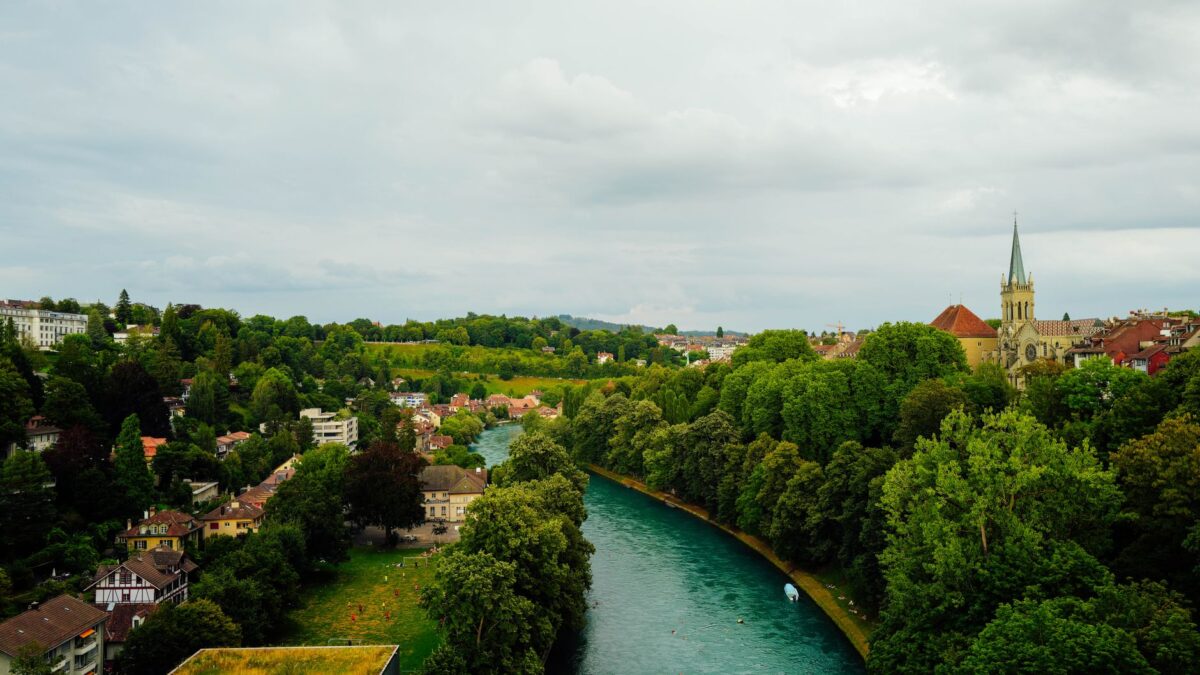
There’s a moment, right around 6:38 pm on a late August evening in Bern, when the overcast sky softens and the sandstone arcades of the Altstadt glow the color of warm honey. You’ve just finished a float in the Aare at the Marzili lido, and you’re walking up toward the Zytglogge, listening to the click of heels on cobblestones. Then you check your bank app and remember: you’re in Switzerland, where a cup of coffee costs more than a movie ticket in some countries. But here’s the thing — Bern isn’t Zurich, and a trip here doesn’t have to be a financial reckoning. Let me break down what a realistic day actually costs.
The Big Three: Sleep, Eat, Move
Let’s start with the unavoidable. Accommodation is your heaviest line item. A night in a decent mid-range hotel or guesthouse — think Stay KooooK Bern City in the Länggasse or a B&B near the Kirchenfeld bridge — will set you back around CHF 180–250 per night for a double. If you’re solo and flexible, the Hotel Marthahaus in the Breitenrain district can be a touch more forgiving, but don’t expect much under CHF 150 in high summer. Hostels exist, but even a dorm bed in Bern hovers near CHF 50–70.
Food is where you have real choices. Here’s a secret that doesn’t show up on the tourist blogs: Bern is ranked among the world’s most affordable cities for eating out relative to local wages. That means a filling daily lunch menu — the classic Tagesteller, often with Rösti or a sausage — costs about CHF 20–24 at a local spot. For dinner at a mid-range restaurant with a glass of wine, budget CHF 45–55 per person. A beer at a bar? That’ll be CHF 7–8, though the same bottle is about CHF 2.40 at a shop — a move many locals make when heading to the Aare. Coffee lovers, brace yourselves: a standard cup is around CHF 5.30.
Transport inside Bern is efficient and fairly priced by Swiss standards. A single local fare within the city zones (100/101) costs between CHF 2.60 and 4.40. If you’re staying three or more days and plan to hop on trams (Bernmobil runs five lines), a monthly Libero pass at CHF 76–92 is a steal — though for a short visit, a weekly pass or a multi-day card is easier. Taxis are for emergencies; a base fare alone is CHF 6–7 before you move an inch.
Daily Budgets: What It Really Costs
Let’s build three honest scenarios, assuming one person, one night, and no splurges:
- Budget travel (backpacker/student): CHF 110–150 per day. You’re staying in a hostel or a basic guesthouse (CHF 60–80), cooking some meals from the Migros or Coop (milk at CHF 2.10/liter, bread at CHF 3–4 a loaf), eating one cheap lunch (CHF 20), using only your feet plus occasional tram rides (CHF 5), and opting for free attractions like the Rosengarten or just floating in the Aare. It’s tight but absolutely doable.
- Mid-range (the sweet spot): CHF 250–350 per day. You’ve got a solid hotel room (CHF 180–220), a proper lunch out (CHF 22), a modest dinner at a place like Restaurant Romy (CHF 45–50), a couple of coffees, museum entries (Kunstmuseum Bern or the Bernisches Historisches Museum / Einstein Museum, about CHF 12–20 each), and a tram pass. You’re not worrying, but you’re not reckless.
- Comfortable (no restraint): CHF 400–550 per day. This gets you a nicer room at Boutique Hotel Belle Epoque (CHF 250+), dinner at Altes Tramdepot Brauerei Restaurant with their house beer (CHF 60–70 per person), a private taxi or rental, and tickets to a festival like the No Borders No Nations concerts at the Reitschule or the Schützplatz (many events are free, but you’ll buy drinks). This is the level where you stop checking prices.
That’s a daily spread of roughly CHF 110 to CHF 550 — a wide range, but the point is that the middle is very comfortable.
Attractions & Culture: Worth Every Franc
Bern is dense with things to do, and many are free. The Old Town (Altstadt) itself — a UNESCO World Heritage site with six kilometers of sandstone arcades (Lauben) — costs nothing to wander. The Zytglogge, the medieval astronomical clock, does its mechanical show every hour on the hour for free. Climbing the Berner Münster tower (344 steps) costs a modest fee. The BärenPark (BearPark) is free to visit, and the bears are genuinely active in the late afternoon. The Rosengarten — with its 200+ rose varieties and the best panorama over the Aare loop — is free and best at sunset.
If you want museums, the Zentrum Paul Klee (Renzo Piano’s wave of glass) is a must for art lovers, with a ticket around CHF 20. The Einstein-Haus at Kramgasse 49, where Albert wrote his Annus Mirabilis papers, is a small but moving stop — entry is under CHF 10. On the budget side, many museums have reduced prices on certain days; check the Stadtberner Pass for combined deals.
Late August is festival season. The No Borders No Nations festival (running around 20–23 August) takes over the Schützplatz, Waldrand, and Botanic Garden with open-air concerts and panel talks — much of it free. On August 22, Italian pop artist Myss Keta plays the Kulturzentrum Reitschule. If you’re into folk, the Eidgenössisches Scheller- und Trychlertreffen in the Berner Seeland is a one-of-a-kind Swiss affair. The Museumsquartier Bern holds its Sommerfest with flea markets and food trucks on the 21st. And on the 20th, the BlattWerk quintet gives free open-air classical concerts at the Musikpavillon on the Kleine Schanze. Bring a jacket — the evenings dip to 10°C, even after a 24°C day.
Getting Around: Local Secrets & Regional Passes
Forget the car. Bern is compact, and the Länggasse and Matte districts are best explored on foot. The real local move is Aareschwimmen — floating down the river from the Marzili lido to the Matte. It’s free, and on a warm August day it’s pure bliss. But heed this: the current is strong, and only swim if you’re confident and sober.
For regional trips (say, the hour-long train to Interlaken or Lake Thun), the SBB network is superb but not cheap. A day pass for the Bernese Oberland can run CHF 70–90. If you’re staying a week or more and plan several day trips, look into a regional pass or the GA Travelcard for unlimited network travel — but at roughly CHF 780 annually for the city portion alone, it’s only worth it for long stays.
Practicalities: Registration & Hidden Costs
One thing that surprises new arrivals: if you stay more than 14 days, you must register with the local residents’ registration office (Einwohnerdienste). Bring your passport, rental confirmation, and proof of Swiss health insurance — this last one is mandatory and costs a few hundred francs a month if you become resident. For visitors under 90 days (Schengen rules apply — most passport holders enter visa-free), this won’t affect you, but the insurance requirement is worth knowing if you’re considering a longer stay.
For banking, the big names are UBS, Raiffeisen, PostFinance, and the local Berner Kantonalbank (BEKB). As a tourist, you don’t need a bank account — just tap your credit card everywhere, and use a prepaid eSIM from Swisscom, Salt, or Sunrise for data (around CHF 20–30 for a monthly plan, bought with your passport).
Inflation is at 0.2% in 2024, and the Swiss franc sits at about 0.88 per US dollar — so for Americans, prices feel steep but stable. For Europeans on the euro, the franc is near parity and you’ll feel the pinch.
The Final Tally
So, how much does a trip to Switzerland cost? For a week in Bern, plan for:
- Budget: CHF 770–1,050 total (all-in)
- Mid-range: CHF 1,750–2,450 total
- Comfortable: CHF 2,800–3,850 total
That’s excluding international flights. The real Swiss secret isn’t just the price — it’s that the quality matches it. A coffee may cost CHF 5.30, but it comes with a view of a glacier-blue river and a 13th-century clock. The lunch menu at CHF 22 isn’t just fuel; it’s Rösti you’ll dream about. And the Aare swim at 7 pm, with the Münster’s spire catching the last light? That’s priceless, even in Bern.
Frequently asked questions
Is Switzerland expensive for a trip?
Yes, in absolute terms — but Bern offers more flexibility than you'd think. A daily budget of CHF 110–150 works if you cook and use free attractions, while CHF 250–350 gives real comfort.
What is the average cost of a meal in Bern?
A lunch menu at a local place costs around CHF 20–24, while dinner at a mid-range restaurant is CHF 45–55 per person. A beer at a bar runs CHF 7–8.
Do I need a car in Bern Switzerland?
No. Bern's tram system (Bernmobil) and compact Old Town make walking and public transport the best options. A single local fare is CHF 2.60–4.40.
Is Bern a safe city for tourists?
Extremely — Bern ranks #5 on the Global Peace Index with safety scores in the low 90s. Normal city awareness is all you need.
Are there free things to do in Bern?
Many. The Old Town arcades, Rosengarten, BärenPark, and watching the Zytglogge clock are all free. In late August, festivals like No Borders No Nations offer free open-air concerts.
Things to do in Switzerland
 Best of Bernese Oberlands from Luzern
 Luzern / Lucerne Professional Paragliding Tandem Flights
 Alsace wine tour and medieval villages. Small group guided tour
 Vine Stories: Lavaux & Lutry wine walk
 Lake Luzern pick and mix Tour - Burgenstock, Rigi Seebodenalp and Luzern
 3 Hour Unique Wine Tour - Half Day in Swiss Alps