

Panama in August 2026: what travelers should know now
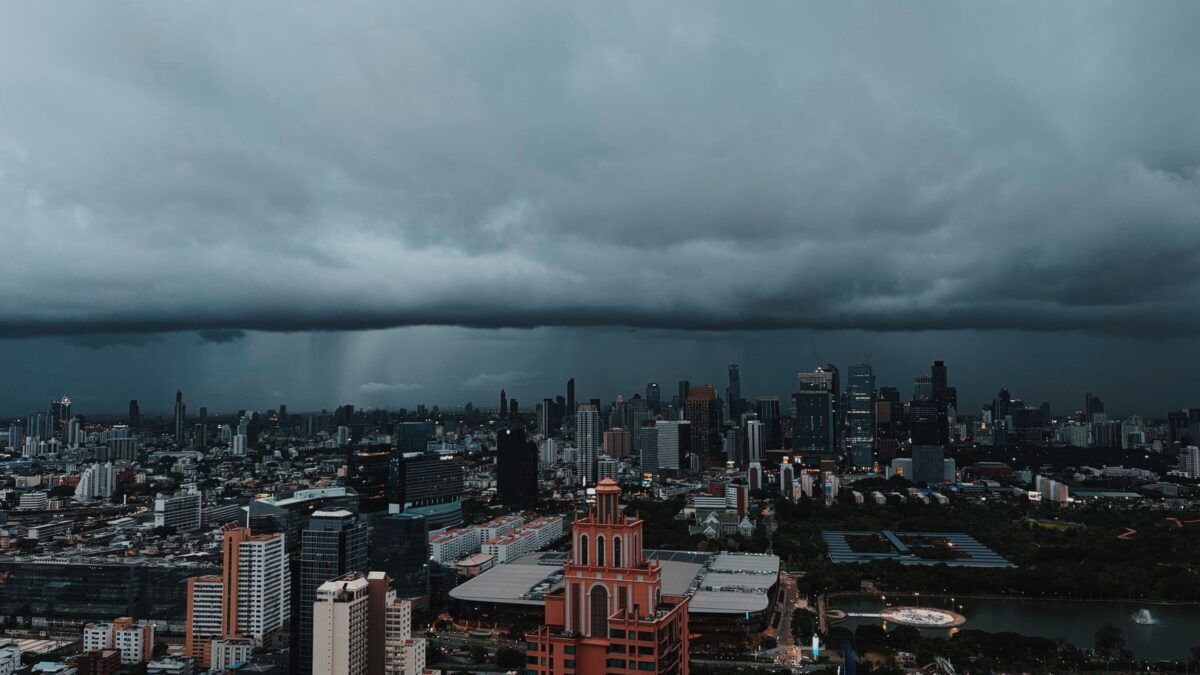
It’s 3 p.m. on a Sunday in late August, and the sky over Panama City has just let go. The thunder rolls in from the Pacific, rattling the windows of a rooftop bar in Casco Viejo, and within minutes the cobblestones below are slick and steaming. The downpour doesn’t clear the streets the way it would in a colder climate — instead, it slows everything down, turning the city’s green hills into a blurred watercolor. This is the thick of the invierno, Panama’s rainy season, and if you’re arriving now, you’re stepping into the country at its most alive: lush, uncrowded, and full of indoor cultural moments that are worth planning around.
Weather now: hot, wet, and wonderfully dramatic
As of this week, Panama City is sitting at a steamy 25–31°C (77–88°F) with a feels-like temperature of 38°C (100°F). That’s not a typo — the humidity does the work. You’ll likely see a thunderstorm nearly every afternoon, and the forecast for today alone shows about 8mm of rain spread across 13 hours. That means it’s not a constant drizzle; it’s a pattern of short, intense downpours, often after lunch, that can flood a street corner but then clear up to a golden evening.
Sunrise is around 6:09 a.m. and sunset at 6:31 p.m., so plan your outdoor sightseeing for the mornings. By 1 p.m., you’ll want an umbrella and a waterproof phone pouch. Pack light cotton clothes, a breathable rain jacket, and a pair of sandals that can handle a puddle. The good news? The rain keeps the city cooler, the parks lush, and the crowds down — August is a quiet month for tourism here, so you’ll often have museums and miradors nearly to yourself.
What’s on now: book fair, museum open house, and a few things to know
If you’re in the city this week, the cultural calendar is pivoting indoors. The big one: the 22nd Panama International Book Fair opens August 25 at the Atlapa Convention Center, running through August 30 under the theme “The Route of a Thousand Stories,” with the Panama Canal as the guest of honor. It’s a great place to duck out of the rain, browse the stalls, and catch talks by regional authors. Expect school groups on weekday mornings and a lively weekend crowd.
Just before that, on August 23 (today), the MAC Panamá — the contemporary art museum in Ancón — hosted its free Abierto Para Todos open house, wrapping up the summer exhibitions with workshops, a sound performance, and curator walk-throughs of the Trixie Briceño retrospective and the “Otras montañas” show that came from Venice. If you missed it, don’t worry — the museum is a calm, green oasis worth visiting anyway, especially after rain when the surrounding park smells like wet earth.
Also in the rearview: August 15 saw Día de Panamá Viejo, which marked the 507th anniversary of the city’s founding with free access to the UNESCO-listed ruins of Panamá Viejo. That was last week, but you can still climb the cathedral tower on any clear morning for a skyline-and-ruins view that’s one of the best in town.
On the road and under it: Metro Line 3 construction is your travel headache
Now for the news that affects your daily movement: Metro Line 3 construction is still causing disruptions on the Pan-American Highway west of the city. In early August, overnight lifts of a pedestrian bridge at the Burunga station triggered contraflow lane closures toward the capital, so expect delays if you’re heading in from the west at dawn or late evening. The tunnel-boring machine beneath the Canal also broke through at Balboa in early August — a major step for the project, but it means continued industrial traffic in the Balboa area.
More sobering: on August 20, media reported the death of a 48-year-old electrician at the Farfán sludge-separation plant on the Line 3 worksite, prompting labor union Suntracs to demand a safety investigation. It’s a reminder that large infrastructure projects anywhere carry risk, and it’s been the top story in local media this week.
On the bright side, the existing Metro Line 2 connects to the airport for just PAB 0.85 (about $0.85), and the whole system is one of the best bargains in the hemisphere — a single ride on Line 1 costs PAB 0.35. That’s the price of a small empanada at a bakery. You’ll need the integrated MetroBus card ($2 at stations or supermarkets like Riba Smith) to ride both the bus and metro, and remember: no cash accepted on board.
Where to eat and drink right now (and what it costs)
Even in the rain, the city’s food scene is a reason to live here. Start with corvina ceviche at the Mercado de Mariscos on Avenida Balboa — a line forms, but it moves fast, and a cup goes for about PAB 2–3. For something heartier, grab a carimañola (a deep-fried yuca fritter stuffed with seasoned meat) at any local fonda — around PAB 5 — or a bowl of sancocho, the national chicken soup with ñame and yuca, for PAB 3–6. A full comida corriente (rice, beans, meat, plantains) at a no-frills lunch spot will run you PAB 3–6, while a sit-down dinner at a mid-range restaurant like La Pulpería in Casco Viejo or Mahalo Cocina y Jardín in Obarrio will be around PAB 20–22. A local beer at a bar costs about PAB 5, and a café coffee about PAB 3. Yes, the dollar goes far — Panama uses US currency directly, and the balboa is pegged 1:1, so what you see is what you pay.
If you’re staying a while: rents, visas, and the banking bit
For the digital nomad or expat checking costs: a modest one-bedroom flat in El Cangrejo or Bella Vista runs PAB 1,000–1,100 a month (just over $1,000). That’s above what many travelers expect, and rents have been creeping up — a sign of the city’s popularity as a regional hub. If you’re staying longer than a tourist visa, remember that US and Canadian citizens can get 180 days visa-free, while most Europeans get 90. For a residency path, the Pensionado visa (lifetime pension of $1,000+/month) and the Friendly Nations visa (for citizens of ~50 countries, with a required $5,000 bank balance) are the main routes — and you’ll need a licensed immigration attorney, as local law requires it.
Banking is straightforward: open an account at Banco General (the largest) or Banistmo, and bring your passport, proof of address/income, and possibly reference letters. For a SIM, pick up a prepaid data plan at the airport or any mall kiosk from Digicel, +Móvil, Tigo, or Claro — you’ll need your passport to register, and a plan runs about $20/month.
Don’t miss (even in the rain)
Finally, a few places that shine this month: the Biomuseo (Frank Gehry’s only building in Latin America) on the Amador Causeway, perfect for a rainy afternoon; the Museo del Canal Interoceánico in Casco Viejo, which tells the full, gripping story of the Canal from French failure to the 1999 handover; and the Museo de la Mola (MuMo) for the Guna textile tradition. On a clear morning, take the Parque Natural Metropolitano trails for the absurdly easy chance to see sloths, Geoffroy’s tamarin monkeys, and howler monkeys right inside the city — it’s one of the wildest urban parks in the world. And if you want the postcard shot, go to Miraflores Locks to watch a containership squeeze through the Canal — about $17 entry, and the Morgan Freeman-narrated IMAX is worth the humidity.
One last local tip: in Casco Viejo, don’t walk alone at night between the old town and the modern city, and always take a taxi or Uber across that gap. Daytime, the tourist police patrol is reassuring, but at night, use common sense. The rain will clear, the streets will shine, and you’ll find that Panama in August is not the “bad season” some guidebooks imply — it’s the season that keeps you honest, cool, and in the right cafe when the sky opens up. Plan around the downpours, and you’ll love it.
Frequently asked questions
Is it worth visiting Panama City in August despite the rain?
Yes — August is a quiet, affordable time. Expect hot, humid days with afternoon thunderstorms, but the mornings are often clear, and indoor venues like the Biomuseo or the Book Fair are ideal. You'll find fewer crowds and lush green landscapes.
What's the best way to get from Tocumen Airport to the city center?
Take Metro Line 2 to the Corredor Sur — it costs about PAB 0.85 and connects to the city's integrated transit network. You'll need a MetroBus card ($2) to board, and the ride is fast and modern.
Are there any big events in Panama City in the last week of August 2026?
Yes, the Panama International Book Fair runs from August 25–30 at the Atlapa Convention Center, with the theme honoring the Panama Canal. It's a great way to experience local culture and escape the rain.
How is the Metro Line 3 construction affecting travel this month?
Ongoing overnight bridge lifts at the Burunga station have caused contraflow lane closures on the Pan-American Highway west of the city, especially early mornings. Allow extra time if driving from the west, and consider the Metro or bus if you're staying close to the line.
What should I pack for Panama City in late August?
Light, breathable clothing, a compact umbrella or rain jacket, sturdy sandals that can handle puddles, and a waterproof phone pouch. A light sweater is useful for over-air-conditioned museums and malls.
Things to do in Panama
 Private Fishing in the Panama Canal, Gatun Lake
 Panama Canal Zone Bike Tour By Paradox Experience
 Special offer
Day End Tour: Casco Viejo, Amador Causeway & Sabroso Panama
Special offer
Day End Tour: Casco Viejo, Amador Causeway & Sabroso Panama
 Hiking Experience in Caldera Transportation Included
 Electric Bike Rental El Valle de Antón (Best Rated Activity)
 River Tubing - Fun and Nature Experience