

Getting around Athens: metros, taxis and passes
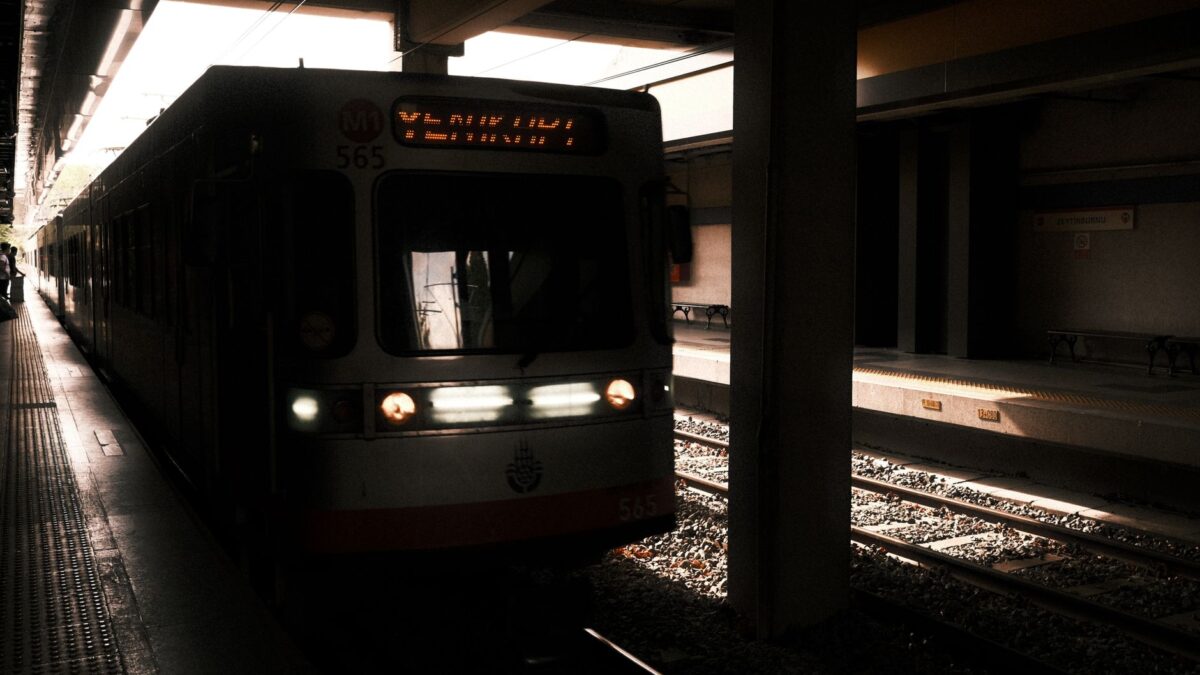
It’s 22:00 in late August, and the air in Exarchia still holds the day’s heat like a stubborn secret. I’ve just left a friend’s rooftop after a plate of figs and a cold fix — the kind of evening that makes you forget the 38°C afternoon. I walk down to Panepistimio station, tap my contactless card on the validator — €1.20, 90 minutes — and I’m on a train that smells of dust and sea salt. This is how Athens moves: not with a grand metro system, but with a patchwork of trains, buses, trolleys, and the occasional taxi that actually stops for you. Here’s how to get around like a local, not a tourist with a limp map.
Metro, ISAP, and the summer timetable
Athens’ metro is young — the 2004 Olympics gave it a modern spine — but it’s the backbone of the city. Three lines: M1 (green, the old ISAP suburban railway), M2 (red), and M3 (blue). The M1 runs from Piraeus up to Kifisia, passing Monastiraki, Thissio, and Victoria. The M2 connects Antoupoli to Elliniko, slicing through Syntagma and Akropoli. The M3 links the airport to the city, stopping at Syntagma and Monastiraki.
In August, the summer timetable kicks in: reduced frequencies on most lines until early September, but reinforced service on airport, Piraeus, and coastal routes. So if you’re heading to the islands from Piraeus port, you’ll be fine — but if you’re trying to get across town at 15:00, expect to wait an extra few minutes. Locals check the schedule on the OASA app (or just accept the wait and buy a freddo espresso).
One tip: the metro platform at Monastiraki has a glass floor that reveals ancient ruins below — it’s not just for tourists, I still look down every time.
Fares, passes, and the ATH.ENA card (the system you’ll actually use)
Here’s the practical bit. Fares are cheap by Western European standards. A single ticket (valid 90 minutes for metro, bus, tram) costs €1.20. A 24-hour pass costs €4.10 if you use contactless payment (credit/debit card or phone) — or €4.50 for the paper ticket. If you’re staying three days, the €20 tourist ticket covers unlimited rides. Airport metro ride is €9 one-way — but if you’re on a budget, the X95 bus from Syntagma to the airport is €5.50 and takes about an hour.
You can buy paper tickets (ATH.ENA Tickets) at any station, but the reloadable ATH.ENA Card is smarter — especially if you’ll be here more than a couple of days. The ATH.ENA GO app also works on some routes, but I’ve had mixed luck with it. The safest bet: use your bank card’s tap2ride function at the gates. It’s fast, and you’ll never get stuck with an unvalidated ticket. Because here’s the thing: if you don’t validate your ticket, the fine is €72. That’s a hard lesson — I’ve seen it happen to a guy who just forgot.
One local trick: if you’re staying in central Athens (Plaka, Koukaki, Exarchia, Pangrati), you’ll mostly walk. The metro is for longer hops — to the airport, Piraeus, or the northern suburbs. Save your €1.20 for the days when the 34°C heat makes walking up Filopappou Hill a myth.
Taxis and ride-hailing: when you need a break from the heat
Athens taxis are cheap compared to most of Europe. A ride across the centre might cost €5–8. But there’s a catch: hailing a cab on the street is a gamble. In August, many drivers are off-island or working the airport route. Your best bet is the FreeNow app (or Uber, which here just dispatches licensed taxis). The meter starts at €1.20, then €0.68 per km. Wait, that’s from memory — it’s around that, but always confirm the meter is reset.
Airport runs: the flat rate to/from the city centre is €40 during the day, €50 at night (midnight to 5am, roughly). If you’re landing at 23:00, the metro is still running until midnight, but if you miss it, the taxi is your friend. Just negotiate the flat rate before you get in — the driver will often quote it without asking.
Pro tip: avoid taxis during rush hour (09:00–10:00 and 17:00–19:00) — the traffic around Syntagma and Omonia can double your ride time. Walk or take the metro. And don’t be surprised if a taxi stops to pick up another passenger en route — share rides are common, and it’s legal if you’re both going the same direction. A bit awkward at first, but you get used to it.
Walking: the real local transport
Here’s the truth: in central Athens, walking beats everything. The historic centre — Plaka, Anafiotika, Monastiraki, and the Acropolis — is a maze of pedestrian streets and staircases. You’ll see more in a 20-minute walk than in an hour on the metro. And with the weather we’re having — highs around 38°C, mainly clear skies, light winds until 20:06 — the best time to walk is early morning or after sunset.
Start at Syntagma, walk up Ermou to Monastiraki, then up to Thissio and the Ancient Agora. Cut through Anafiotika — the tiny Cycladic-style enclave under the Acropolis — and you’ll feel like you’re on a Greek island, not a capital city. From there, you can walk to Koukaki’s pedestrian Drakou street for a freddo at Laluk Cafe-Bar, or climb Filopappou Hill for a sunset view that beats any roof bar.
If you’re staying in Exarchia, you’ll walk to the National Archaeological Museum in 10 minutes — and the Saturday laiki market on Kallidromiou is a must for figs and grapes (both in season now). Pangrati is a 15-minute walk from Syntagma, and its plateia (Varnava and Proskopon squares) are perfect for a wine-bar crawl. Kolonaki, up toward Lycabettus, is hilly but worth it for the café terraces at Dexameni — order a freddo espresso and watch the city sprawl below.
For the full Athenian summer ritual, walk to an open-air cinema. The Athens Open Air Film Festival is wrapping up — check if ‘To Our Loves’ is still on at LAIS (24 Aug) or the spaghetti western at Kallithea Municipal Stadium (26 Aug). And if you’re here for the August full moon, the National Archaeological Museum stays open late on the 28th with free tours — locals queue for it online when bookings open on the 21st, so set a reminder.
Getting out of the centre: Piraeus and beyond
If you’re island-hopping, the metro M1 line to Piraeus is your friend. It’s about 30 minutes from Monastiraki, and the port is chaotic but manageable. For the Saronic Gulf islands (Aegina, Hydra, Poros), you buy tickets at the port — no need to pre-book in summer if you go midweek. If you’re heading to the Peloponnese (for the Epidaurus Festival, say), take the train or KTEL bus from Kifissos station. But honestly, a car is better for Epidaurus — the ancient theatre is a two-hour drive, and you can stop at the Corinth Canal on the way.
If you’re here for the last weekend of August, the Epidaurus Festival closes with Aristophanes’ ‘Lysistrata’ on the 28th–29th. It’s a bucket-list thing — a comedy performed in a 4th-century BC theatre, under the stars. Budget for the trip: €20–30 for a bus/coach, and the ferry from Piraeus if you’re also doing islands.
Practical bits (the stuff that saves you headaches)
Rent and staying longer: If you’re thinking of staying a month, a modest one-bedroom in Koukaki or Pangrati runs €650–900 a month — rising about 10% this year, and eating roughly 70% of an average salary. Locals feel the squeeze; you should too. For longer stays, you’ll need an AFM (tax number) via AADE/gov.gr, and for over 3 months, EU citizens register at the local municipality (Dimotologio) — non-EU need a residence permit. A Greek bank account helps with salaries and AADE, with Alpha or Eurobank typically smoothest for foreigners; the neobank Snappi is a digital option.
SIM card: You’ll want data for maps and ride-hailing. Cosmote, Vodafone, Nova — all offer cheap prepaid SIMs, but you must bring your passport to register. eSIMs are available from the same providers if your phone supports them.
Safety: Athens is safe, but pickpockets work the metro and Monastiraki/Plaka — keep your phone in your front pocket. Omonia feels edgy at night; Exarchia is calm day-to-day but can see protests on Nov 17 or Dec 6. You’re fine in August.
The verdict (and my honest advice)
Use the metro for airport transfers, the bus for the coast, and walking for everything else. Taxis are for when the heat wins or you’re carrying luggage. Download the OASA app for live departures, carry a €5 note for the rare driver who claims the card machine is down, and always validate your ticket. Athens will make you walk more than you expect — but that’s how you’ll see the Agora at golden hour, find the hidden courtyard in Anafiotika, and discover why we locals love this chaotic, dusty, beautiful city.
If you’re here for the full moon, don’t miss the Acropolis Museum’s terrace at night — the Parthenon is lit up, and the air smells of jasmine. Or just join the evening voltas (strolls) up Lycabettus Hill — the cable car is €2, and the view is free. Whatever you do, move like a local: slowly, with a coffee in hand, and always know the next metro time.
Frequently asked questions
How much is a single metro ticket in Athens?
A single ticket costs €1.20 and is valid for 90 minutes on metro, bus, and tram. A 24-hour pass is €4.10 with contactless payment or €4.50 for a paper ticket.
Is it worth buying a 3-day tourist ticket in Athens?
If you're staying for 3 days and plan to use transit frequently, the €20 tourist ticket offers unlimited rides. If you're mostly walking, pay-as-you-go with contactless might be cheaper.
How much is a taxi from Athens airport to the city centre?
The flat rate is €40 during the day (midnight to 5am is higher). You can also take the metro (€9) or the X95 bus (€5.50) for a budget option.
What is the ATH.ENA Card and how do I use it?
It's a reloadable smartcard for all Athens public transport. You can buy it at station ticket offices, top it up, and tap it at the gates. It's more convenient than paper tickets for longer stays.
Is walking a good way to see Athens?
Absolutely. Central districts like Plaka, Monastiraki, and Koukaki are compact and pedestrian-friendly. Walking lets you discover hidden spots, but avoid midday heat in August — walk early morning or after sunset.
Things to do in Greece
 Milos oneiro-kleftiko sailing experience with local guide
 Sailing trip to the Top Coasts of Crete, Daily/Multi-day
 Best Of Santorini Private Tailor Made Tour
 Private Full-Day Cruise in Rhodes with Lunch and Drinks
 Santorini Private Full-Day Tour – Customizable Island Experience
 Likely to sell out
The Greek Food Experience (Max 8 persons)
Likely to sell out
The Greek Food Experience (Max 8 persons)