

Morocco in August 2026: what travelers should know now
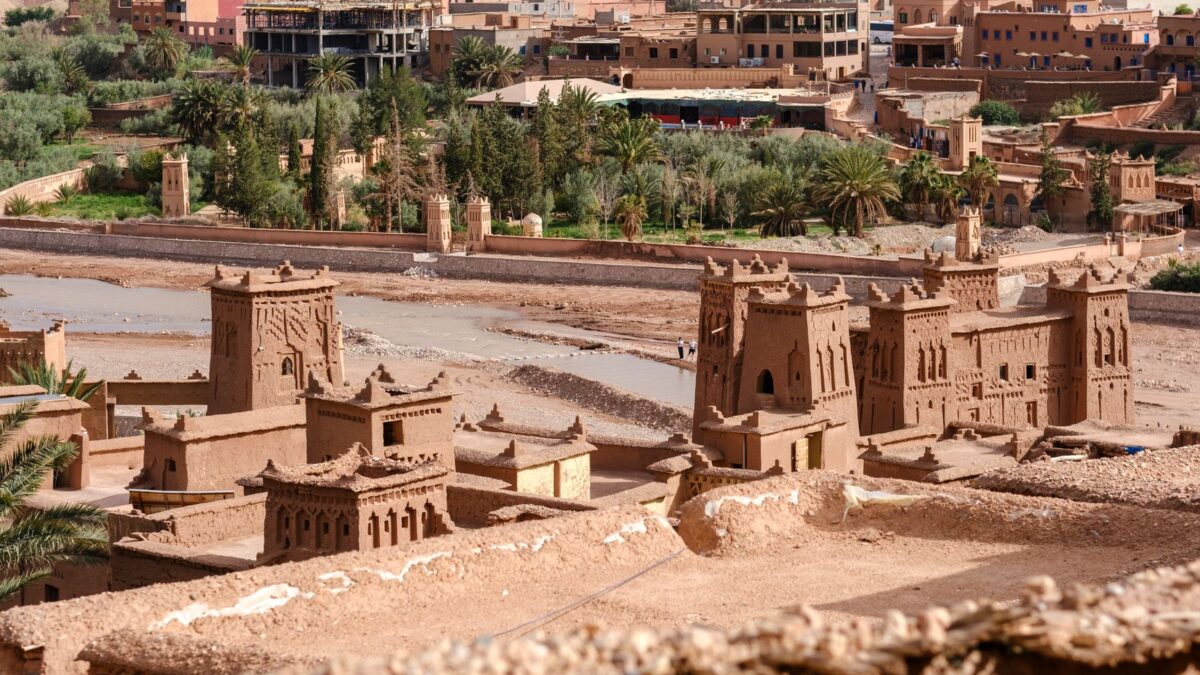
The last real heat of summer is still on Rabat’s skin, but there’s a change in the air. We’re at 20–28°C today, feeling like 32°C under a partly cloudy sky, with light lingering until just after 8 PM. Three days ago, the city celebrated Youth Day (Eid Al Chabab), and now, as the official holiday energy fades, Rabat settles into its late-August rhythm: quieter streets as many locals are still away, longer evenings, and market stalls heavy with figs, grapes, and the season’s first pomegranates. If you’re landing in the capital this week, here’s what’s actually happening on the ground right now.
The Weather & Your Packing Plan
Rabat’s coastal position keeps things bearable, but don’t underestimate the sun. The forecast holds steady around 20–28°C (68–82°F), but that “feels like” reading of 32°C (89°F) is what you’ll notice on the asphalt of the Hassan district or the uncovered Chellah ruins. Mornings are pleasant, afternoons are fierce, and the 06:55 sunrise to 20:03 sunset window gives you long, workable days.
Pack light layers: breathable linen or cotton for the day, a light jacket or sweater for the evening breeze off the Bou Regreg. A good sun hat, reusable water bottle, and sunscreen are non-negotiable. The good news? The humidity that can make August sticky is relatively low right now—partly cloudy skies are keeping things comfortable, and the evenings on the riverfront promenades are genuinely lovely.
The Changing Face of the Coast: The L’Océan Demolition
If you’ve visited Rabat before, the coastline between Avenue Abdelkader El Khattabi and Avenue Mustapha Es-Sayeh, near the Four Seasons, looks different now. As of late August, bulldozers are actively tearing down the historic L’Océan seafront neighborhood. It’s a major real-estate redevelopment, and it means the coastal quarter has a layer of demolition dust and sealed-off streets. Families are being rehoused, and the entire area is a work-in-progress construction zone.
What does this mean for you? If you’re walking the corniche, expect detours and rough patches. Avoid this specific stretch for a relaxed stroll—it’s not the pretty postcard view this month. Instead, get your coastal fix from the Kasbah des Oudaias (the 12th-century fortress with blue-and-white lanes) down to the Marina de Rabat, where the views over the Bou Regreg mouth remain untouched.
This Week’s Calendar: Business, Chess, and New Murals
Your timing actually puts you in the middle of a few notable happenings:
- Morocco-India Economic Forum (Today, Aug 24): The Rabat-Salé-Kénitra Chamber of Commerce is hosting 21 Indian business leaders for B2B sessions. Expect a busier-than-usual conference crowd around city venues, but this won’t affect your sightseeing—just book your lunch spots a little earlier if you’re dining in Agdal.
- Moroccan University Chess Festival: Starting this past Friday and running multi-day, this event draws student players from Africa and Europe for tournaments mixed with cultural activities. If you see groups of young chess players with boards in cafés, that’s why.
- The 11th Jidar Street-Art Festival Leftovers: One of the best free activities in the city right now is a walking tour of the brand-new murals. The “Urban Dialogues” edition, including the Collective Wall directed by BAKR, has left fresh, large-scale works scattered across Hassan, L’Océan, Yacoub El Mansour, El Youssoufia, and Agdal-Riad. If you’re staying in Agdal or walking to the Hassan Tower, you’ll literally stumble onto brand-new walls—it’s a living open-air gallery that wasn’t there in 2025.
What’s Open, What Costs, and What’s Quiet
This is the tail end of the summer lull. Many Rabatis are still on holiday, so the city feels calmer than in October or spring. The medina (entered via Bab el Had or Bab Chellah) is open and trading, but with fewer tourists than peak June/July. It’s a good month to explore the souk along Rue Souika without being overwhelmed.
On pricing, here’s your honest orientation in Moroccan dirhams (MAD):
- Eating well: A proper chicken or beef tagine at a mid-range spot runs about 80–120 MAD (around $10). A plate of kefta (spiced meatballs) with eggs and bread? About 40 MAD (roughly $4). If you’re on a real budget, a street-food meal of meat with egg, bread, and a soft drink is around 21 MAD (about $2).
- Getting around: The tram (Lines 1 and 2) is your best friend. A single Rabat–Salé ride is 7 MAD (≈ $0.70). If you’re here for a week or more, pick up the monthly IRTIYAH pass at 270 MAD (160 MAD for students) or just ride the Alsa bus at 6.50 MAD per trip. One note: fares rose in July 2025 (the tram went from 6 to 7 MAD), so budget accordingly—transport is trending up.
- Rent reality: If you’re not in a hotel and are looking at a monthly rental, Rabat is now the most expensive city in Morocco for rent. A modest city-centre one-bedroom runs 3,800–4,800 MAD (about $430). Expect to pay less (around 2,600 MAD) outside the very core.
Practical “Right Now” Tips for August Arrivals
- Visa & Entry: You’re likely fine—citizens of roughly 70 countries (US, Canada, UK, EU, Australia, NZ) enter visa-free for up to 90 days with a passport valid 6+ months. If you’re not on that list, check Access Maroc online before you fly. Note: tourist stays do not lead to residency; if you intend to stay longer, you must sort work authorization first.
- Cash is still king for small stuff: Credit cards work at most Agdal and Hay Riad restaurants and hotels, but taxis and medina stalls are cash-only. The dirham is a closed currency, so exchange at licensed bureaux (densest on Avenue Fal Ould Oumeir in Agdal) and keep the receipt to convert back on departure.
- Get a local SIM: Maroc Telecom, Orange, and inwi all sell prepaid SIMs against your passport. It’s the easiest way to navigate with maps and to book taxis.
- Respect the heat at Chellah: The Roman ruins at Chellah are stunning—white storks are nesting on the Marinid necropolis right now—but there’s very little shade. Go in the morning. Same advice for the massive Hassan Tower esplanade and the Mausoleum of Mohammed V.
- Stay safe, be smart: Rabat is highly visible and heavily policed as the royal seat, so it’s very safe. Petty theft is rare but possible in crowded medina sections or near the Salé bridge. The ocean-side cemeteries and Salé’s industrial peripheries are best avoided after dark.
The Bottom Line This Month
August 2026’s Rabat is a city of contrasts: old stones and brand-new street art, bulldozer dust on the coast and chess boards in the cafés. The weather is manageable if you plan around the midday sun, the crowds are thin, and the street food is excellent and cheap. Enjoy the calm before the September return of the office crowd—and don’t miss the Kefta with eggs at a neighbourhood joint before you leave. I promise it’s the taste you’ll remember.
Frequently asked questions
Is it too hot to visit Rabat in late August 2026?
No, it's manageable. Temperatures are 20–28°C (feels like 32°C), with partly cloudy skies. Plan outdoor sightseeing (Chellah, Hassan Tower) for the morning, and reserve afternoons for shaded medina streets or the riverfront breeze.
What is the L'Océan demolition in Rabat?
As of late August 2026, bulldozers are tearing down the historic L'Océan seafront between Avenue Abdelkader El Khattabi and Avenue Mustapha Es-Sayeh for new hotels. The area has demolition dust and sealed streets, so use alternative coastal routes toward the Kasbah and Marina.
Are there any new street art murals to see in Rabat this month?
Yes. The 11th Jidar street-art festival ('Urban Dialogues') completed fresh murals in spring 2026, including the BAKR-directed Collective Wall. Look for them in Hassan, Agdal-Riad, L'Océan, and Yacoub El Mansour—perfect for a self-guided walking tour.
How much does the tram cost in Rabat in 2026?
A single tram ride is 7 MAD (about $0.70). The monthly IRTIYAH pass is 270 MAD (160 MAD for students). Note that fares rose in July 2025, and the city bus (Alsa) is slightly cheaper at 6.50 MAD per ride.
What is the typical price for a meal in Rabat right now?
A tagine at a mid-range restaurant costs around 80–120 MAD (about $10). A street food meal (meat with egg, bread, and a drink) is about 21 MAD, and a plate of kefta with eggs is roughly 40 MAD per portion.


