

Indonesia in August 2026: what travelers should know now
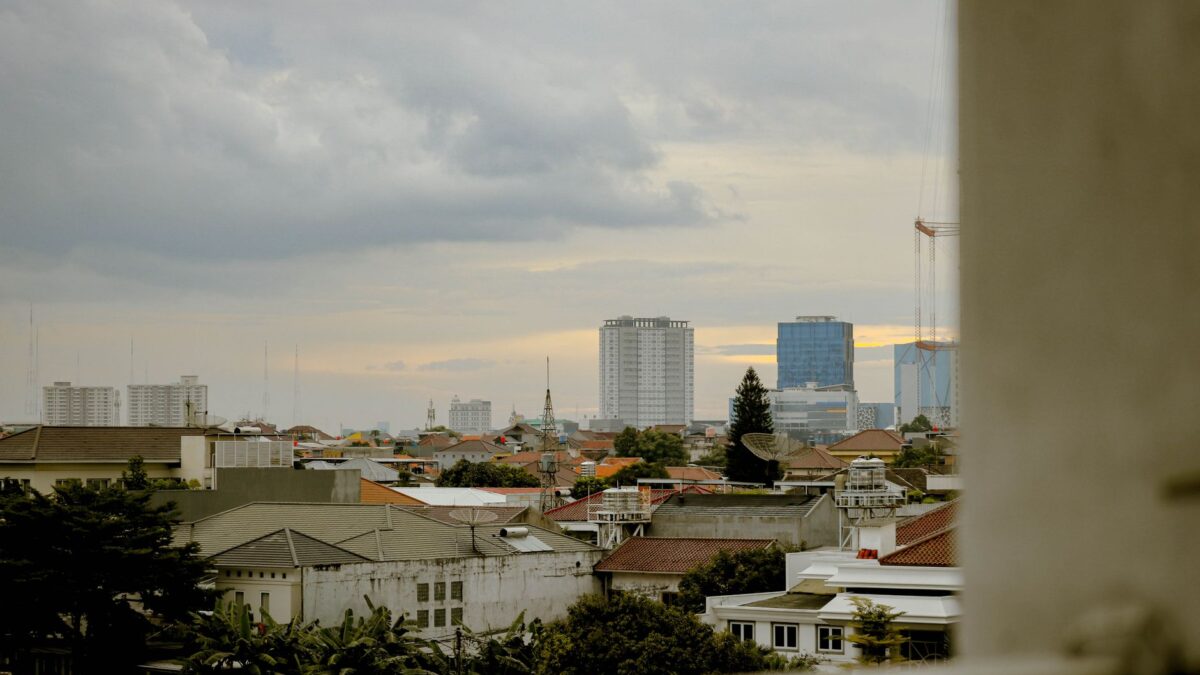
August in Jakarta is a study in contrasts: the tail-end of the dry season can still deliver a surprise drizzle — like the light one falling over the city this morning — while the mercury climbs to a sticky 35°C and the feels-like temperature pushes past 39°C. You step out of a TransJakarta bus, and the humidity wraps around you like a warm, wet blanket. But this is also the month when the city exhales. School holidays are winding down, the haze of Ramadan and Lebaran is a distant memory, and the streets feel a little more breathable, a little more yours. If you’re arriving now, you’re catching Jakarta in its sweet spot: busy, but not frantic; hot, but not unbearable — as long as you know how to play it.
Weather, Packing, and the Rhythm of the Day
Right now, Jakarta is serving its classic late-dry-season menu: mornings start clear and bright, the sun gets aggressive by midday, and there’s a decent chance of a short, sharp shower in the late afternoon or evening — hence today’s light drizzle. Temperatures hover between 26°C and 35°C, but the humidity makes it feel far hotter. Plan your sightseeing like a local: hit the outdoor attractions — Monas, Kota Tua, Sunda Kelapa Harbour — early, before the heat peaks. By 11am, retreat to air-conditioned havens: Museum MACAN, the National Museum of Indonesia, or one of the city’s excellent coffee shops like Giyanti Coffee Roastery or % Arabica Jakarta Roastery.
Pack light, breathable clothing — cottons and linens — and always carry a compact umbrella. It doubles as sun shade and rain gear. A light jacket or scarf is useful for the aggressively air-conditioned malls and MRT trains, which can feel arctic after the heat outside. And don’t forget serious hydration. A bottle of water is your best friend, and you’ll be grateful for the Rp20,000 ($1.30) iced kopi susu gula aren — palm-sugar iced coffee — from any local chain. It’s cheaper than a bottle of imported water in a hotel minibar.
What’s On: Holidays, Festivals, and Events
As August 2026 closes, you’re in the middle of Indonesia’s 81st Independence Day season — the 17th was the big day, but the patriotic fervor lingers for weeks. Neighborhoods are still festooned with red-and-white flags, and many roads hosted (or still host) communal games and street parties. Expect some traffic diversions around Merdeka Square and Monas, especially on weekends. The good news: many museums, including the Jakarta History Museum in Kota Tua and the National Museum, often have special exhibitions or extended hours around this period — check their schedules.
Looking ahead, there are no major public holidays immediately in the coming weeks, which means crowds are manageable. However, you should be aware that September 5th is the birthday of Jakarta itself — the city turns 499 this year. Expect cultural performances, Betawi music and dance, and pop-up events, especially in Kota Tua and around Blok M. It’s a great time to catch seni pantun (rap-poetry) or pencak silat demonstrations. Also, keep an eye on the creative hubs — M Bloc Space and Pasar Santa — which often host Independence-week and anniversary-themed markets and live music.
Getting Around: The Fare Hike Looming and the Transit Master Key
Here’s a critical update for your budget: TransJakarta, the city’s bus rapid transit, is eyeing its first fare increase in 20 years. As of now, the flat fee is still a ridiculously cheap Rp3,500 (about $0.22), but there are serious discussions about doubling it to Rp7,000. No official date has been set, but if you’re here in the next few months, budget for a possible hike. Even with a doubling, it’s still a steal compared to most global cities.
Your best move is to get a JakLingko card — it’s the ‘master key’ that works across MRT Jakarta, TransJakarta, KRL commuter trains, and even the airport rail. Intermodal transfers cap at around Rp10,000, so you can cross the city for less than a dollar. Single MRT rides run from Rp3,000 to Rp14,000 depending on distance. For a month of unlimited-ish travel, the budget is around Rp500,000 ($30). I honestly can’t think of a cheaper major city for transit. Just avoid street taxis — use Gojek or Grab, the ride-hailing apps locals trust, and factor in traffic as the real enemy, not crime.
Where to Eat and Hang Right Now
August is a great month to be a foodie in Jakarta. The heat makes the city’s legendary street food even more appealing — cold drinks, spicy sambal, and cooling coconut soups. For a classic bowl of soto betawi (beef-coconut soup), expect to pay around Rp30,000–35,000 ($2). A nasi padang set with rendang? About Rp60,000 ($4). These are almost criminal prices for the flavor you get.
Head to Pasar Santa in Blok M for a creative-market experience — most snacks there are under Rp30,000 (about $1.80), and it’s a great place to see Jakarta’s young, artsy side. For a sit-down dinner, you’ll pay Rp75,000–150,000 ($5–$10) at a mid-range restaurant. Some favorites to try right now: the The Acre in Kemang for garden dining, SEMAJA Menteng for upscale Indonesian, or Cloud Lounge for rooftop vibes with a view of the city lights. And if you want to feel like a local, do a Sunday morning at Taman Suropati in Menteng — there’s often free classical music and a lovely, relaxed crowd of families and runners.
Crowds, Prices, and the Vibe
August is a shoulder season in Jakarta. The big European summer crowds have thinned, and the domestic holiday rush is over. You’ll find hotel rates moderate — not peak, not rock-bottom. But there’s a catch: 2026 has seen sharply rising rents for apartments in the city centre, especially in areas like SCBD, Kemang, and Pondok Indah. This doesn’t directly affect short-term tourists, but if you’re planning a longer stay, budget more than you expected for accommodation. A 1-bedroom flat outside the centre runs about Rp3,050,000–4,300,000 ($200–$280) per month, and that’s on the rise.
The upside is that food and transport remain absurdly cheap by Western standards. You can eat like a king for under Rp100,000 ($6.50). The vibe is generally relaxed — Jakarta traffic is always heavy, but it’s slightly more forgiving during August than during the December holiday madness. Also, with Jakarta stepping down as the capital (government functions moving to Nusantara), the city has a slightly bittersweet, nostalgic energy. That said, all the serious business still happens here, especially in the Golden Triangle of SCBD and Mega Kuningan — you’ll feel the buzz.
Practical Tips for This Month
- Visa & arrival: Most visitors use the e-Visa on Arrival (e-VoA), which costs about Rp500,000 and is valid for 30 days, extendable once. Make sure your passport has 6 months’ validity, and complete the ‘All Indonesia’ card online (allindonesia.imigrasi.go.id) before you land at Soekarno–Hatta. Don’t skip this — it speeds up immigration enormously.
- SIM card: Grab a local SIM from Telkomsel, XL, or Indosat at the airport or any Indomaret. You’ll need to register it with your passport/IMEI, but data plans are cheap and fast. It’s your lifeline for Gojek, Grab, and Google Maps.
- Stay cool, literally: Plan indoor activities between 11am and 3pm. The MRT is your friend — it’s air-conditioned, efficient, and connects most key areas. Use the MyMRTJ app for schedules.
- Day trip: If you have a spare day, take the ferry from Ancol Marina to the Thousand Islands (Kepulauan Seribu). The snorkeling and island vibe are a world away from the city’s chaos, and it’s the best way to escape the heat on a clear August morning.
- Safety basics: Jakarta is generally safe, but keep your phone in your front pocket and your bag zipped — especially in crowded markets and on public transit. ATM skimming is a known issue, so use bank ATMs (BCA, Mandiri, BNI are reliable) and avoid standalone machines.
August in Jakarta is about embracing the humidity, using the mornings wisely, and indulging in some of the cheapest, most delicious food in Asia. Come with a light pack, a patient attitude for traffic, and a hungry stomach. You’ll be fine.
Frequently asked questions
Is August a good time to visit Jakarta?
Yes, August is shoulder season with fewer crowds and moderate hotel rates. Expect hot, humid weather (26–35°C) with occasional afternoon drizzles, and plan outdoor activities for the morning.
How much is the TransJakarta bus fare right now in August 2026?
The flat TransJakarta fare is still Rp3,500 (about $0.22), but a fare hike to Rp7,000 is reportedly being considered. A JakLingko card is the best way to get the lowest fares and intermodal transfers.
What should I wear in Jakarta in August?
Light, breathable clothing like cotton and linen. Always carry a compact umbrella for sun and unexpected rain, and a light jacket for air-conditioned malls and MRT trains.
Do I need a visa for Indonesia as a tourist in 2026?
Most tourists can use a Visa on Arrival (e-VoA) costing around Rp500,000, valid for 30 days and extendable once. Ensure your passport is valid for at least 6 months and complete the 'All Indonesia' online card before arrival.
What are some must-try foods in Jakarta this month?
Try soto betawi (beef-coconut soup, Rp30,000–35,000), nasi padang with rendang (Rp60,000), and iced kopi susu gula aren (Rp20,000). Visit Pasar Santa for cheap creative-market snacks.
Things to do in Indonesia
 PRIVATE Authentic Balinese Cooking Class in Ubud at Putu's Home
 Ubud Highlights: Monkey Forest, Rice Terrace, Tirta Empul Temple
 Anggrek Putih Lombok Cooking Class & Garden Tour
 Ubud Adventure All Inclusive Private Day Tour
 Likely to sell out
Nusa Penida Two Dives Trip for Certified Divers
Likely to sell out
Nusa Penida Two Dives Trip for Certified Divers
 Bali Airport Transfer Service in Private