
Estonia etiquette: the dos and don’ts
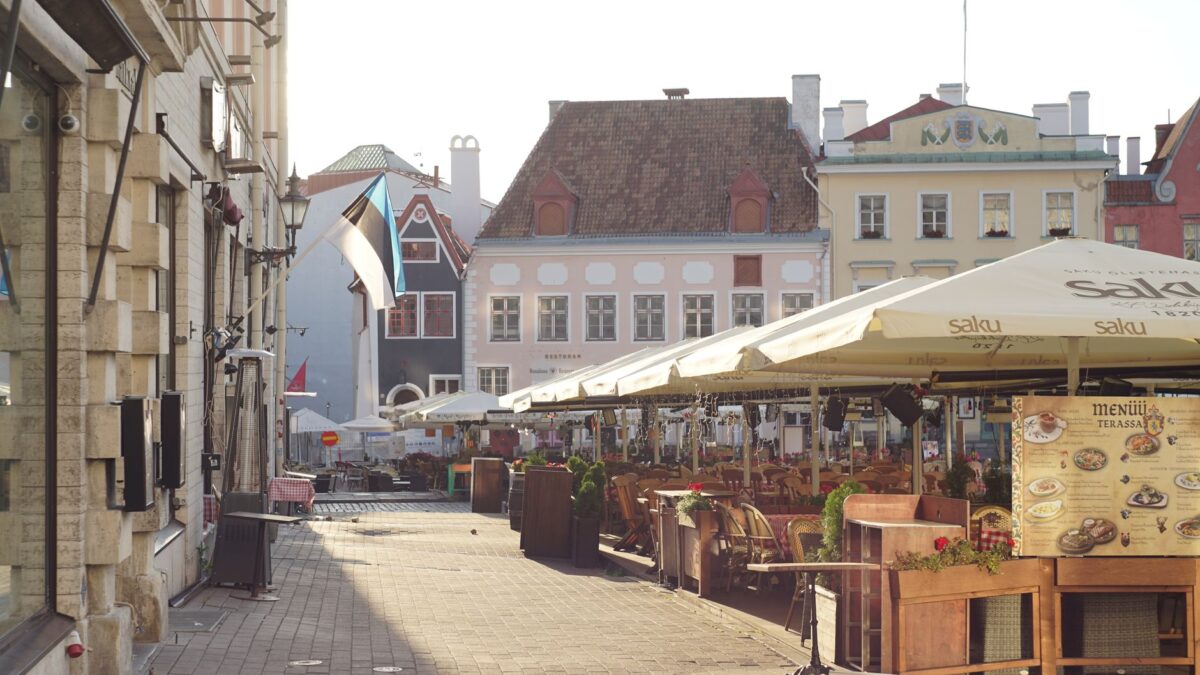
The last weekend of August in Tallinn is a beautiful, chaotic gift. You step out of your hotel near the Old Town and the air is 16 degrees, overcast, smelling of sea and rain and the first mushrooms of the season. A tram rattles past, packed with people heading to the Ironman route closures, while somewhere in Telliskivi a comedian is warming up for the Fringe Festival’s biggest year yet. You’re here to see Estonia — not just the towers and the marzipan, but the people. And the people, I promise you, are watching you back. Not in a bad way. In a quiet, knowing, politely amused way. They’ve seen tourists confuse the bill with the tip, walk into someone’s home with shoes on, and talk loudly on a bus like it’s a phone booth. You won’t do that. Here’s how to be a considerate visitor in Estonia.
Greetings: the art of the nod and the name
Estonians are not cold; they are calm. The first thing to know is that we don’t do the American-style ‘How are you?!’ with a bright smile to strangers. If you ask a cashier at Selver how they are, they’ll likely answer ‘Tänan, hästi’ (thanks, fine) and look at you like you’re about to ask for directions to the moon. That’s not rudeness — it’s respect. We don’t fill silence with noise.
When you meet someone, a firm handshake is the norm — for both men and women. Eye contact matters. A quick nod is fine for acquaintances. First names are used quickly; we’re not big on titles or ‘Mr’ and ‘Ms’. If you’re invited to someone’s home (a real honour), bring flowers — odd numbers, never even, and not yellow ones if you’re being traditional. Remove your shoes at the door. Always. Even if the host says ‘oh, you can keep them on’ — that’s a test. Take them off. You’ll earn deep, silent respect.
Tipping: round it up, don’t make it weird
Let’s talk money without making it awkward. In Estonia, tipping is not a social obligation. It’s a small gesture of thanks for genuinely good service. At a restaurant, rounding up the bill or leaving 5–10% is appreciated but never expected. In a café, if your cappuccino costs €3.50 and you give €4, that’s perfect. Nobody will chase you. Nobody will judge you if you don’t. Taxi drivers (Bolt is the local favourite, founded here) don’t expect tips either; round up to the nearest euro if you like. Hotel staff? A euro or two for the porter is fine, but not required.
Here’s a quirk: many Estonians still prefer to pay by card, even for a €2 tram ticket. Contactless is everywhere. But for a tip, cash is still king — it’s more personal. Don’t hand it over dramatically. Just leave it on the table. Quietly. Like we do.
Dining manners: no drama, just good bread
Estonian dining is about honesty. When you sit down at Restaurant Rataskaevu 16 (a beloved Old Town spot) or the medieval-themed Restoran Olde Hansa, you’ll notice the service is attentive but not hovering. That’s the Estonian way: present when you need, invisible when you don’t.
Table manners are continental: fork in the left hand, knife in the right, and don’t rest your elbows on the table while eating. But the real rule is to say head isu (enjoy your meal) before you start — it’s like a little blessing. And if you’re at a dinner party, wait for the host to start eating. Don’t dive in.
If you’re invited to a home, bring kohv (coffee) or a nice cake, not a bottle of wine unless you know they drink. And when offered a second helping of kama or black bread, taking it is a compliment. We love feeding people. We just don’t make a fuss about it.
One more thing: in Estonia, it’s polite to finish everything on your plate. Leaving food looks like you didn’t like it. And if you’re in a café like Maiasmokk (the oldest café in Tallinn, where marzipan was born), don’t just photograph your hot chocolate — eat it. Slowly. Enjoy the fact that you’re in a place where the art of pause is sacred.
Dress: layer up, blend in
Late August in Tallinn is 14–18°C and overcast. You’ll see locals in stylish jackets, scarves, and sturdy boots. We’re not a flashy dress culture. Leave the neon sportswear at home unless you’re actually running Ironman. The Estonian aesthetic is understated: dark jeans, a good sweater, a neat coat. For women, a simple dress with tights and a cardigan works for a nice dinner. For men, a blazer is overkill at most places, but a clean shirt is appreciated.
For the opera or a concert at the Tallinn Chamber Music Festival — say, the Estonian Percussion Group at Swedish St Michael’s Church — smart casual is fine. Nobody will turn you away, but you’ll feel more comfortable if you’re not in a hoodie. And when you visit the Alexander Nevsky Cathedral, shoulders and knees covered is a bare minimum of respect.
Practical note: cobblestones in the Old Town are slippery, and tram tracks hide in the asphalt everywhere in Kesklinn and Kalamaja. Wear shoes with grip. You’ll see Estonians walking fast and sure — don’t be the tourist who twists an ankle in front of the Town Hall Pharmacy (Raeapteek, Europe’s oldest, running since 1422).
Small customs that matter: silence, sauna, and the Song Festival soul
Here’s where we get to the heart of it. Estonia is a country of quiet. On a bus, people don’t chat loudly; they look out the window or read. If you’re on the tram from the airport to the city centre, keep your voice down. It’s not a library, but it’s not a football stadium either. Being loud in public marks you as a tourist faster than any camera around your neck.
Personal space is sacred. Don’t stand too close in queues. Don’t touch people you’ve just met. And if you’re invited to a sauna (a true Estonian ritual), remember: it’s not about sex, it’s about cleansing and trust. Sit quietly, let the heat do its work. Some saunas are co-ed, some aren’t. Follow your host’s lead. And after, a dip in the sea — even in October — is considered a victory.
The other deep custom is the Song Festival. When you stand at the Tallinn Song Festival Grounds and see the arch that has held a hundred thousand singing Estonians, understand this: that song brought down the Soviet Union. To us, the national anthem is not a formality. If you hear it played, stand. If you’re at a concert where the crowd sings ‘Laul Põhjamaast’, don’t clap until it’s over. Just listen. That’s the highest respect you can pay.
Finally, don’t ignore the weather. If the sun comes out, Estonians will sit in it, everywhere — on the Pirita Promenade, at the Kadriorg park lawns. Join them. Being present, not performing, is the ultimate compliment.
Do’s and don’ts: the quick list
- Do use the word ‘tänan’ (thanks) — it’s easy and always appreciated.
- Don’t assume everyone speaks Russian; Estonian is the language, and English is widely spoken.
- Do try local food at Farm or KOGU Resto — but know that ‘black bread’ is not a suggestion, it’s a requirement.
- Don’t walk into someone’s home with shoes on — even if they say it’s fine.
- Do pay with a contactless card for the tram — tap your bank card for €2, but don’t forget you need a physical card for the Ühiskaart unless you’re a Tallinn resident (and you’re probably not, yet).
- Don’t tip more than 10% at a restaurant — it makes people uncomfortable.
- Do take off your hat in a church, including the Lutheran ones like Swedish St Michael’s.
- Don’t photograph people without asking — especially in the Old Town, it’s seen as invasive.
- Do use the free city buses if you’ve registered as a resident — but as a visitor, pay the €2 or get the Tallinn Card (which also gets you into KUMU and Lennusadam).
- Don’t be late. Estonians are punctual. Five minutes early is on time.
When in doubt: be quiet, be kind, be real
Estonia is a small country with a big soul. You’ll feel it in the wind off the Baltic, in the pine forest of Nõmme, in the laughter at Fringe shows, in the funk beats at EFEFEST. The people here have survived wars, occupations, and a singing revolution. They don’t need you to be impressed — they need you to be respectful. If you do that, you’ll leave with something deeper than a stamp in your passport: you’ll leave with the quiet friendship of a people who don’t give it lightly, but who remember it forever.
So go on. Walk down Rataskaevu Street, smell the marzipan, hear the bells. Smile at the shopkeeper. Nod at the tram driver. And when you raise your glass of local beer (about €5.50 for a half-litre), say ‘Terviseks!’ — to health, to Estonia, and to you.
Frequently asked questions
Is tipping expected in Estonia?
No, tipping is not expected. You can round up the bill or leave up to 10% for good service, but it's not obligatory. In cafés, leaving small change is appreciated; taxi drivers don't expect tips either.
Do I need to take off my shoes when visiting someone's home in Estonia?
Yes, always remove your shoes at the door. Even if the host says you can keep them on, it's a test — take them off to show respect.
What's the proper greeting in Estonia?
A firm handshake with eye contact is standard. First names are used quickly, and a nod is fine for acquaintances. Avoid loud, over-enthusiastic greetings.
How do I pay for public transport in Tallinn as a visitor?
Single rides cost €2 if you tap your contactless bank card, or €2.50 in cash from the driver. You can also buy a 24-hour pass for €5.50 or a 72-hour pass for €9. Registered Tallinn residents ride free.
What should I wear in Tallinn in late August?
Layer up — expect 14–18°C and overcast. Smart casual is fine for most places: jeans, a sweater, and sturdy shoes for cobblestones and tram tracks. For churches, cover shoulders and knees.


