

Ecuador in August 2026: what travelers should know now
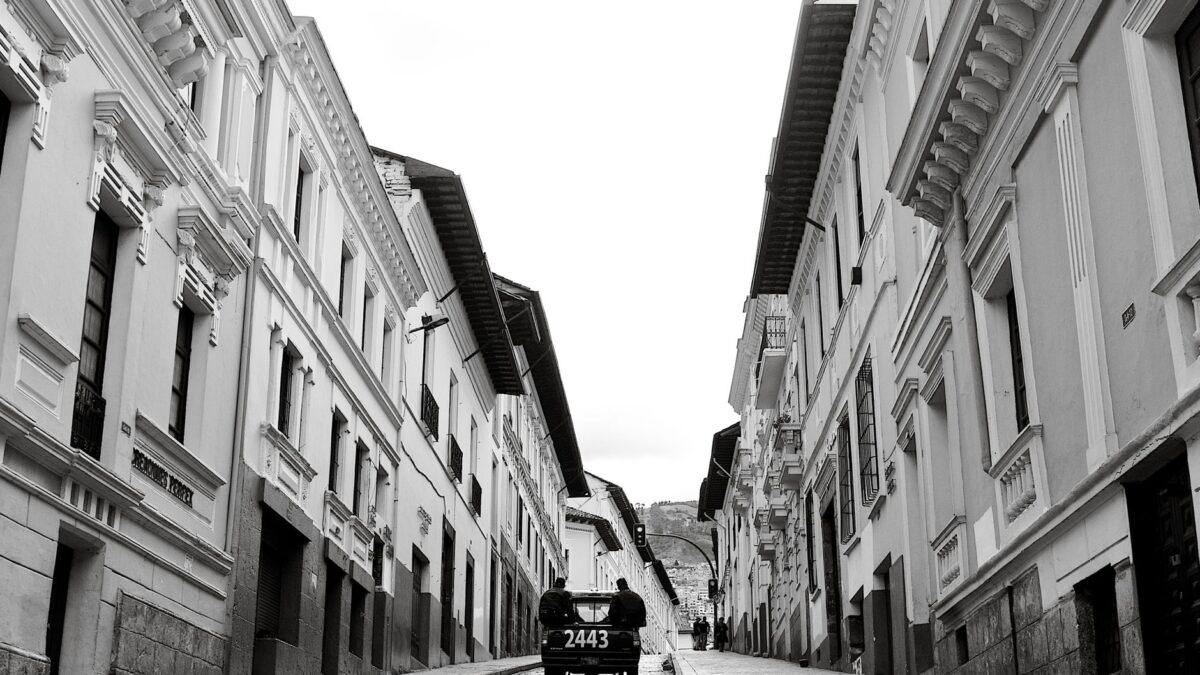
August in Quito is a month of two faces. By day, the high-Andes sun is brilliant and the air is crisp — the classic verano dry season that makes the city’s colonial plazas gleam. By late afternoon, the wind kicks up with a ferocity that sends cometas (kites) soaring over the parks and, this year, has been blowing smoke from a forest fire near Calacalí into the northern neighborhoods. Nights drop to around 10°C, and the city’s narrow streets feel quiet and cool. As of this week, the forecast holds at a comfortable 10–23°C with light drizzle possible — but the real story is what’s happening on the ground: a city under construction, hosting its biggest blues festival, and navigating the gusty, dusty tail end of the dry season.
The Big Disruption: Roads and the Metro
If you’re arriving in the next few weeks, the single most important thing to know is that Quito is actively repaving itself. Since the night of August 15, the Ruta Viva — the main highway connecting Quito to the Cumbayá and Los Chillos valleys — has been under a 120-day rehabilitation. Expect staged lane closures, contraflows, and significantly longer trips to and from the Mariscal Sucre International Airport. If you have a flight, plan for an extra hour, not an extra 15 minutes.
In the south, the second stage of the Quitumbe Ñan roadworks began August 19, with one-way alternating traffic and detours around the Hospital Nueva Aurora for the next 50 days. And across the city, nine streets near Metro stations (including Ninallacta, Quito Sur, Orquídeas, Miraflores, and Borja Yerovi) have been under phased repaving since August 1, some with 90–120 day partial closures. The good news: the Metro de Quito itself (Line 1, running north-south from El Labrador to Quitumbe) remains the fastest, most reliable way to cross town — a single ride costs just $0.45 with a rechargeable MetroCard, which also works on the Trolebús and Ecovía bus rapid-transit lines.
Brief, unplanned blackouts have also hit the north and Tumbaco valley this month, caused by strong winds knocking trees onto power lines. They’ve been short, but pack a flashlight and keep your devices charged.
Festival Season: Quito Blues Turns 20
Amidst the construction, Quito is hosting a landmark cultural event. The 20th edition of the Festival Internacional Quito Blues has been running citywide since August 17 and continues through August 29. That means you’re arriving in the final, electric days. Venues across the city are hosting concerts, photo exhibitions, tattoo and graffiti shows. If you’re here this week, don’t miss the 8th Coloquio de Blues Latinoamericano scheduled for today, August 26, at the Casa de la Cultura. It’s a rare chance to hear Latin American blues history and its current practitioners in an intimate academic setting. For the concerts and visual art, check listings at venues in La Mariscal and the Centro Histórico — this is the city’s creative class out in force.
What to Do and Where to Eat This Week
The weather this month is made for two things: morning walks and afternoon refuge. Start early. Head to the Basílica del Voto Nacional — the largest neo-Gothic basilica in the Americas — and climb its towers for the best view of the Old Town before the wind picks up. Then descend to Plaza de la Independencia (Plaza Grande), ringed by the Presidential Palace. For lunch, do what the office workers do: grab an almuerzo at the second-floor food stalls of Mercado Central — soup, main, juice, and dessert for about $3.00. Or try a local hueco for hornado (roast pork) or yaguarlocro (blood-sausage potato stew) for $4.00–$8.00. For a fancier evening, book a table at Casa Warmi, Querubin, or De La Llama in La Floresta — the bohemian neighborhood that hosts Quito’s most interesting new restaurants. A three-course meal for two at a mid-range spot will run about $40.00.
La Ronda, the oldest cobbled street in the Old Town, is charming by day but particularly atmospheric in the early evening before it gets sketchy after dark. For a sunset view, ride the TelefériQo cable car up Volcán Pichincha to 4,100 meters — but go before 3 PM, as afternoon winds can shut it down. And for the full equator experience, the Mitad del Mundo complex and the Intiñan Museum (where you can balance an egg on a nail) are worth the trip, though the Ruta Viva construction will add time to that ride.
Weather, Packing, and the Wind Factor
Here’s the thing about Quito in late August: it is bright, dry, and windy. The UV index is extreme at this altitude, so bring high-SPF sunscreen and sunglasses. Mornings are chilly (around 10°C), afternoons warm up to about 23°C, and nights fall back to cold. Pack layers: a light fleece for the morning, a t-shirt for midday, and a windbreaker for the afternoon gusts. Rain is unlikely but possible — hence the light drizzle in the forecast — so a compact umbrella or packable rain shell is wise. The smoke from the Calacalí fire has been intermittent; if you have respiratory sensitivity, bring a mask or plan indoor activities if the air looks hazy over the north.
Holidays and Crowds: What’s Coming Up
You’re arriving just after Ecuador’s First Cry of Independence (August 10), which was celebrated earlier this month. There are no major public holidays in the next two weeks, which means you’ll have the city’s attractions without peak holiday crowds. That said, this is a busy shoulder season for domestic tourism from the coast, where it’s hot and humid, so weekends in Quito can feel lively. Prices remain stable — this is not a peak international tourist month, so hotels in La Mariscal and the Centro Histórico (like the Colonial House Inn or La Casona de la Ronda) may have negotiable rates. For reference, a modest one-bedroom flat in the center rents for around $450 a month, and a cappuccino at a specialty place like Coffee Zular or COFFEE RELIEF runs about $3.00. Overall, Quito remains roughly 50–60% cheaper than comparable U.S. cities.
One price change to note: interprovincial bus fares rose 25% on August 1, 2026. Local metro and bus fares are unchanged, but if you’re planning to head to Mindo (for the cloud forest birding), Cotopaxi, or Papallacta hot springs, factor in the higher bus costs.
Safety and Practical Tips for Right Now
Quito is calmer than the coastal cities, but the national state of “internal armed conflict” (in place since 2024 under President Daniel Noboa) means you should stay alert. The main risk is opportunistic phone-snatching in crowded areas — keep your phone in a front pocket or zipped bag, especially around Plaza Foch in La Mariscal and in busy markets. Avoid the Centro Histórico dark side streets after 9 PM, and use app-based taxis (Cabify or inDrive) rather than hailing cabs on the street at night. The areas of La Floresta, La Carolina, and Cumbayá are generally safer and more relaxed.
For connectivity, pick up a prepaid SIM from Claro or Movistar — bring your passport for registration; it’s cheap and works across the city. And remember, Ecuador is dollarized, so no currency exchange is needed. Use your U.S. dollars (or withdraw from Banco Pichincha or Banco del Pacífico ATMs) with ease.
Finally, embrace the wind. It’s the same wind that’s knocking over trees and pushing smoke, but it’s also the force that fills the sky with kites in the parks — a beautiful, chaotic symbol of Quito’s August. Watch your step around the construction cones, keep your hat on, and enjoy the blues.
Frequently asked questions
Is it a good time to visit Quito in late August 2026?
Yes, it's the dry 'verano' season with bright mornings and 10–23°C temperatures. The 20th Quito Blues Festival runs until August 29, and there are no major public holidays, meaning fewer crowds and stable hotel prices.
How bad is the Ruta Viva construction for airport transfers?
The Ruta Viva highway has been under a 120-day rehabilitation since August 15, with staged lane closures and contraflows. Airport trips are taking significantly longer, so add at least an extra hour to your transfer time.
What should I pack for Quito's weather this week?
Pack layers: a light fleece for 10°C mornings, t-shirts for 23°C afternoons, and a windbreaker for the strong afternoon winds. High-SPF sunscreen and sunglasses are essential due to extreme UV. A compact rain shell is useful for possible light drizzle.
Is the Quito Metro affected by the roadworks?
No, the Metro de Quito (Line 1) is running normally and is the best way to avoid traffic. A single ride costs $0.45 with a MetroCard, which also works on the Trolebús and Ecovía buses. However, nine streets near stations are being repaved, so station access may have detours.
Are there any safety concerns this month?
Quito is calmer than coastal cities, but opportunistic phone-snatching is common in crowds. Avoid dark streets in La Mariscal and the Centro Histórico at night, use app taxis like Cabify after dark, and be aware of intermittent smoke from the Calacalí forest fire affecting northern neighborhoods.


