

From the airport into Quito: every option and what it costs
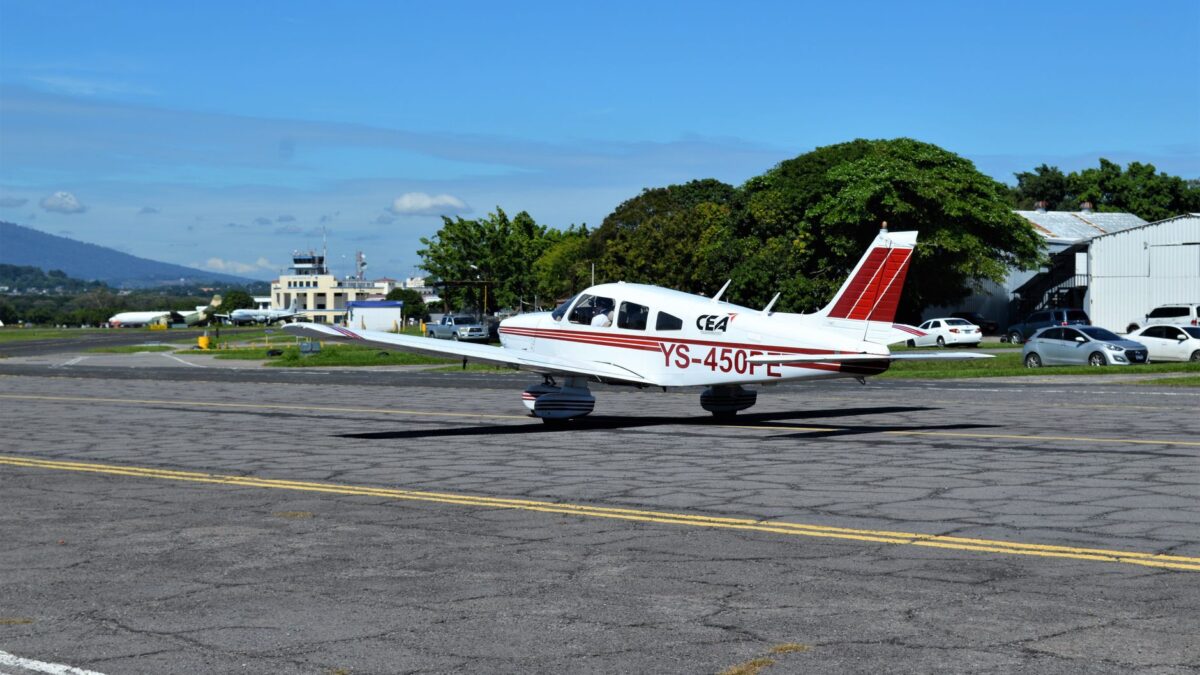
The first thing that hits you is the light. Even under an overcast August sky, Quito’s high-altitude sunlight is sharp enough to make you squint as you ride the shuttle from the plane to the terminal. The second thing is the wind — a persistent, dry Andean breeze that can smell faintly of eucalyptus or, on bad days, of smoke from a forest fire near Calacalí. By the time you clear arrivals at Mariscal Sucre International Airport in Tababela, you’re not in the tropics anymore. You’re at 2,400 meters, in a city where the roads are being fixed, the metro runs quiet, and the buses cost thirty-five cents. Here’s every way to get from the airport into Quito, what it actually costs, and which one you should pick.
The lay of the land: why the airport isn’t in Quito
Let’s get this straight: Quito’s airport sits about 30 kilometers east of downtown, in the farming valley of Tababela. You’ll drive through a flat, dry landscape that can look almost moonscaped in the early morning, before the road climbs into the city’s eastern edge through tunnels and switchbacks. The drive to La Mariscal or the historic center takes 45 minutes to over an hour — and it’s been slower since August 15, when the Ruta Viva highway started a 120-day rehabilitation with staged lane closures and contraflows. On a normal day you’d budget 50 minutes. In August and September, budget 70. The good news: there’s still a fast toll road, the Autopista General Rumiñahui, which winds through the valley’s southern hills and can bypass some of the Ruta Viva mess.
By bus: the cheapest, and most confusing
You can get to Quito for about $2.50 on the airport’s public bus service, which runs from outside the terminal to the city’s main bus terminals and a few key stops. The fare is around two dollars and fifty cents, and the ride takes about an hour without traffic. This is the option for backpackers with nothing time-sensitive, but it’s not the easiest first introduction to the city. The buses are clean and fine, but you’ll need to know which stop to get off at, and the signage is bilingual in theory, not always in practice. If you’re coming in at night — and many international flights do arrive after 8 p.m. — I’d skip it. The schedule runs on daylight logic, and after dark you want a door-to-door option.
Once you’re in Quito proper, the public transit system is your friend. The Metro de Quito’s Line 1 runs from El Labrador in the north to Quitumbe in the south, and a ride costs $0.45 with a rechargeable MetroCard (which also works on the Trolebús and Ecovía BRT lines). Those city buses run $0.35. The monthly pass is about $25.00, which is nothing. But here’s the catch: the metro doesn’t go to the airport. You’ll need to get to a connecting hub, and honestly, if you’re arriving with bags, do not subject yourself to transferring through a city where the streets near Metro stations are being repaved in phases — some with 90 to 120 days of partial closures and contraflows, like around Ninallacta, Quito Sur, Orquídeas, Miraflores, and Borja Yerovi. That’s been going on since August 1. It’s a beautiful system, but not your first ride.
By taxi: the flexible middle ground
Official airport taxis have a fixed fare to the city — about $25 to $32, depending on your destination. The zone-based system is printed on boards near the taxi stands; you buy a prepaid ticket at the counter before you board, so no haggling, no scams. The ride takes 45 to 70 minutes, same as any car, and the drivers know the accident-prone spots on the Ruta Viva like their own hallways. It’s my honest recommendation for first-timers: it’s not cheap in Ecuadorian terms, but it’s reliable and you’re not getting nickel-and-dimed.
Inside the city, don’t hail taxis on the street at night — just don’t. Use apps. Cabify and inDrive work well in Quito, and you pay in cash or card. A short hop across La Mariscal runs $2 to $4; getting from the historic center to La Carolina might cost $4 to $6. If you’re out late in La Mariscal or the Centro Histórico — and I should mention that both are best avoided on foot after dark — always call one of these apps. It’s not fear-mongering; it’s how we live here. Phone-snatching in crowds is real, and you don’t want to be the tourist holding a phone near Plaza Foch at midnight.
By private transfer: comfort without a second mortgage
If you’re traveling with family, or you’ve landed with enough luggage to make you sweat, book a private transfer. Companies like Taxi Aeropuerto Quito and Ecuador Private Transfer offer door-to-door service from the airport to any hotel in Quito for $38 to $55, depending on vehicle size and time of day. You’ll meet your driver at the arrivals gate holding a sign with your name — a nice touch after a long flight. It’s roughly double the taxi, but you avoid the counter, the queue, and any route confusion. Given that a mid-range meal for two in Quito runs about $40, and a local set lunch at Mercado Central will set you back $3.00 (soup, main, juice, and dessert, by the way), $50 is not unreasonable for the peace of mind.
One more thing about private transfers: they know the roadworks. In late August, the Ruta Viva closures and the Quitumbe Ñan detours in southern Quito can be a maze. A driver who does the route every day knows whether to take the Autopista or snake through the new bilingual streetsigns near Cumbayá. The valley neighborhoods like Cumbayá, at around 2,200 meters, are cooler and more suburban — a popular expat escape. If your hotel is there, it’s worth the extra few dollars, because the last thing you want is to be the one in the backseat explaining to a taxi driver that you’re actually going to the suburb, not downtown.
The Ruta Viva effect: real delays, real patience
Let me give you the honest picture of late August 2026. The Ruta Viva highway is in the middle of that 120-day rehabilitation. That means on some days the express lanes are closed, traffic is squeezed into contraflows, and what should be a smooth 40-minute ride turns into a 90-minute crawl with the smell of brake pads and high-altitude sun beating down. It started August 15, and it’s not done. Compounding it: the Quitumbe Ñan roadworks in southern Quito, which began August 19, are detouring traffic one direction at a time around Hospital Nueva Aurora for 50 days. And the Metro-area repaving is chewing up secondary streets in the north. This is all temporary, but it’s now.
What do you do about it? Build in an extra 30 minutes minimum for any airport run, coming or going. If you have a flight at 9 a.m., leave by 6:30. If you’re arriving and you’re on the taxi stand, just breathe. You’re not stuck in Bangkok traffic; you’re stuck in the Andes with views of Pichincha on one side and the dry valley on the other. And if the air quality dips because of the Calacalí forest fire smoke, the wind usually clears it by afternoon.
The verdict: which to pick when
Here’s my advice, friend to friend. Land at night, or with more than one bag — take the official airport taxi. It’s fast enough, safe, and the fixed fare avoids stress. Land in daylight, alone, with a small backpack — take the public bus if you’re feeling adventurous and want to save a few dollars, but know you’ll be dropped at a terminal and then need another ride (the Metro rides at $0.45 are a bargain, but not with a rolling suitcase). Group or family, or if you’re staying in Cumbayá or anywhere off the beaten path — pay the markup for a private transfer. Skip renting a car unless you’re heading to Mindo or Cotopaxi immediately; Quito’s traffic and roadworks don’t make for a relaxing first day.
Once you’re in the city, embrace the affordability. A cappuccino at La Cafebreria in La Floresta runs about $3. A hornado plate at a local hueco — roast pork with hominy and avocado — costs $5 to $8. The food scene, especially in La Floresta with places like Casa Warmi, is world-class and cheap. And when you’re ready to sightsee, the Teleférico will take you to 4,100 meters in 15 minutes, and the Basílica del Voto Nacional will let you climb its towers past turtle and iguana gargoyles. But all of that starts with getting from the terminal into the city. Choose based on your comfort, your budget, and your bag count — and know that the roadworks are temporary, but the view of Cotopaxi on a clear morning is forever.
Frequently asked questions
How much is a taxi from Quito airport to downtown?
Official airport taxis have a fixed zone-based fare, roughly $25 to $32 depending on your destination. You pay at the counter before boarding. The ride takes 45 to 70 minutes, but add 30 minutes of buffer for the Ruta Viva roadworks in late 2026.
Is there a bus from Quito airport to the city?
Yes, the public airport bus costs about $2.50 and runs to city terminals. It's cheap but can be slow and is not ideal with heavy luggage or after dark. Once in Quito, the Metro is $0.45 per ride and city buses are $0.35.
Are there private transfers from Quito airport?
Yes, private door-to-door transfers cost roughly $38 to $55 depending on vehicle and destination. They're the best choice for families, late-night arrivals, or travelers staying in the Cumbayá valley, since drivers know the Ruta Viva roadwork detours.
What is the best way to get from Quito airport to the hotel at night?
Take an official airport taxi or a pre-booked private transfer. Public buses run limited at night, and hailing street taxis after dark is not recommended. The fixed taxi fare gives you a safe, predictable ride to your accommodation.
Is it safe to take a taxi from Quito airport?
Yes, use the official taxi stand inside the terminal — you prepay a fixed fare, so no negotiations and no meter tricks. Avoid hailing unregistered cabs anywhere in Quito; apps like Cabify or inDrive are safer for city trips after dark.


