

The best time to visit Albania
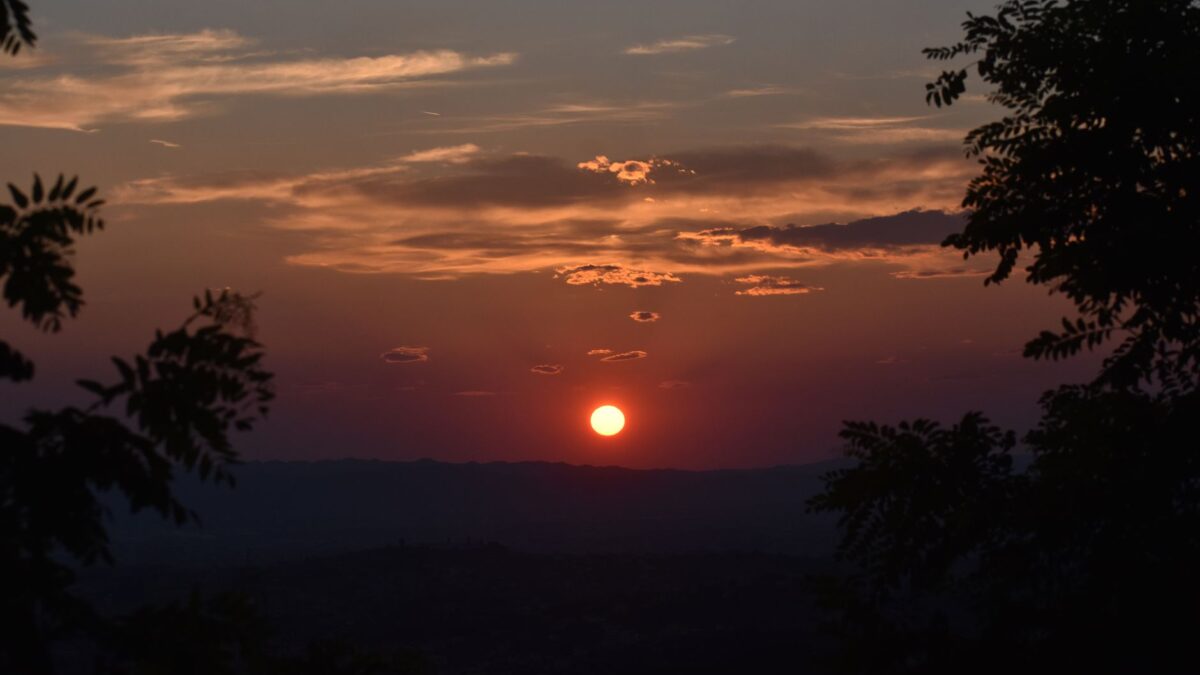
The last ferry of August is still disgorging sunburned day-trippers onto the Durrës pier, but here in Tirana, the tempo has already changed. At dusk, the path around the Artificial Lake fills with families doing their xhiro — that slow, evening stroll that is half exercise, half social ritual. The air smells of grilled corn and the first figs of the season. The morning markets, like the covered hall at Pazari i Ri, are stacked with purple grapes and heavy tomatoes, and the price of a plate of qofte at a local lunch spot hovers around 800–1,000 lekë (about $10). This is the golden hinge of the Albanian year — but is it the best time for you? The honest answer depends on whether you want to bake on the coast, hike the Accursed Mountains, or have Skanderbeg Square nearly to yourself. Let me walk you through the seasons as I actually live them.
Spring (March – May): Wildflowers, Empty Coasts & the First Café Terraces
Spring is my quiet recommendation. By late March, the cherry trees around the Grand Park are in bloom, and the outdoor tables at Radio Bar in Blloku start to fill by midday. The weather is genuinely pleasant — daytime highs climb from the mid-teens to the low 20s Celsius (°C) — though April can still throw a wet, windy week at you. This is the season for the mountains: the trails around Bovilla Lake (with the Gamti viewpoint) and Mount Dajti are snow-free and not yet crowded. The Dajti Ekspres cable car runs smoothly, and the views over the city are worth the ticket.
Crowds are minimal. You will share the slopes with local hikers, not tour groups. Prices are at their most forgiving: a night in a mid-range hotel or guesthouse in Tirana can be found for around 4,000–6,000 lekë (about $55). The National History Museum is currently closed for renovation until 2028, so don’t plan your trip around that — but the Bunk’Art 2 museum near the centre is open, and the House of Leaves (the old Sigurimi secret police museum) is a chilling, essential stop. The big festival of the season is Easter, when both Orthodox and Catholic communities celebrate with vigils and family feasts. If you are here, do not miss the outdoor lunch at Odas Garden — the lamb and the raki flow freely.
Summer (June – August): Sun, Sea, and the City That Never Sleeps (But Takes a Siesta)
Summer is the high season for a reason: the coast is glorious. The Ionian and Adriatic beaches south of Durrës and further down to Saranda and Ksamil are world-class. But you are reading this because you care about Tirana itself, and summer in Tirana is an endurance test rewarded with electric nights. Daytime temperatures routinely hit 34°C, as they did just last week. The city empties out on the hottest afternoons as locals escape to the coast — the roads toward Durrës jam up, and you will be glad you grabbed a seat at a Blloku café with a good iced coffee.
What is delightful is the evening transformation. The Tirana Lake Park (the Grand Park) becomes a stage: joggers, strollers, pick-up soccer games, and the occasional open-air concert. In late August, the ‘2026 Taste of Korea’ festival took over the amphitheatre in the park with K-pop dancing and food stalls — a sign of how cosmopolitan this city has become. Nights are for rooftop drinks on the edge of Blloku or a slow dinner at n’Mes. Crowds are moderate to high in the centre, and prices peak: a modest one-bedroom flat in a non-central area rents for around 35,000–45,000 lekë (about $430) a month if you are staying longer. Expect to pay 1,500–2,000 lekë (around $19) for a main dish at a mid-range restaurant. The mini-bus south to the beach around midday is chaos; the evening ferry back is a party. If you can handle heat and throngs, this is the energy you want.
Autumn (September – November): The Perfect Compromise
Something shifts on the first of September. The air cools to a perfect 21–30°C, the tourist infrastructure relaxes, and the sea is still warm enough for a swim until early October. This is the season I would pick for a first-time visitor, especially if you want both the city and the riviera. You can spend your mornings on the sand and your evenings walking the Skanderbeg Square — the massive, 2017-renovated plaza — with fewer people and markedly cooler weather. On September 7th, Albanians mark Mother Teresa Day (Dita e Nënë Terezës), a public holiday when many businesses shut and families gather. It is a quiet, respectful day, but you will see flowers laid at her monument.
Prices begin to drop after mid-September, especially for flights and coastal accommodation. Museums are open and tolerable: Bunk’Art 1, the enormous 106-room underground bunker on the edge of the city, is a must-see — plan for a cool morning there. The autumn harvest brings cheese, olives, and wild mushrooms to the Pazari i Ri market. For photographers, the light on Mount Dajti in late October is unbeatable. This is also the time for the Taste of Korea-style festivals to move indoors, but more importantly, it is the season of the Tirana International Film Festival (usually late September/early October), which turns the city’s art-house cinemas into a hive of activity. It is the best blend of manageable weather, cultural events, and decent prices.
Winter (December – February): Quiet, Cheap, and Cosy
Winter is the secret season for the budget-conscious traveller and for those who prefer a city without queues. Daytime highs hover around 7-13°C, with rain on and off for a few days at a stretch. The light is grey and soft, and the streets of Blloku feel almost introspective. Skanderbeg Square gets a festive market in December, with mulled wine and stalls selling local art, and the Et’hem Bey Mosque (beautifully lit at night) is never crowded. This is the perfect season for deep-dive history: the House of Leaves and Bunk’Art 2 can be explored at leisure. The lack of tourists means you might have the Pyramid of Tirana (reborn as the TUMO tech centre) largely to yourself at sunset.
Prices are at their lowest: a mid-range hotel room drops to around 3,500–5,000 lekë (roughly $40–50). The bus system — with a single fare of about 40 lekë ($0.40) — is actually manageable because there is less traffic. The city’s café culture thrives indoors, particularly at spots like The Back Room – Specialty Coffee or Frut’za Vogel, where a cappuccino is around 150–210 lekë (about $2). The downside: many coastal hotels and restaurants close for the season, and the mountain roads can be icy. For a cosy, culture-heavy European break with a fraction of the cost, winter is superb.
When to Avoid & Practical Notes on the Ground (2026)
If you have a low tolerance for heat, I would avoid the second half of July through the first half of August. The city slows down, sunstroke is real, and the traffic jams toward Durrës on weekends are phenomenal. Also, be aware of the ongoing construction: the Tirana–Durrës motorway (Phase III widening) has been under active construction, with overnight lane closures near the new Kashar overpass. The big talk right now is the approval of the 33.5 km Kashar–Rrogozhina motorway (the ‘Blue Corridor’), with land expropriation beginning on August 27 and construction promised by year-end. And the new Tirana bypass, linking the Tirana–Elbasan motorway to Corridor VIII, is slowly reshaping the ring road — first 4 km due by July 2028. For a short trip, budget extra time for any drive to the airport or the coast.
On the ground, use the taxi apps Speed Taxi or Clust (there is no Uber). Buy a prepaid SIM from One Albania or Vodafone at Rinas airport with your passport. And know that for coffee prices — rising at more than double general inflation — that 150–210 lekë espresso is a bargain compared to most of Western Europe. For most travellers, the sweet spot is clear: late May to mid-June for warm weather and empty beaches, or September to early October for the harvest, festivals, and the best of both worlds. Come for the sun, stay for the xhiro.
Frequently asked questions
What is the best month to visit Albania for good weather?
September is the ideal month. Temperatures are still warm (21–30°C), the sea is swimmable, and the heavy summer crowds and prices have dropped.
Is Albania expensive to visit?
No. A meal at an inexpensive local place costs around 800–1,000 lekë (about $10), a mid-range hotel night is roughly 4,000–6,000 lekë ($55), and a coffee is about 150–210 lekë ($2). It remains one of Europe's cheapest capitals.
What is there to do in Tirana when it rains in winter?
Winter is ideal for indoor history: visit Bunk'Art 1 and Bunk'Art 2, the House of Leaves museum, or the Bank of Albania Museum. The café culture in Blloku is also world-class for long, cosy afternoons.
Are there any public holidays in Albania I should know about?
September 7th is Mother Teresa Day, a public holiday. Many shops and offices close, and families gather, but you will still find restaurants and cafes open in the centre.
Is it better to visit Albania in summer or autumn?
For the coast, summer is unbeatable but crowded. For a mix of city life, hiking, and beach time, autumn (especially September) is better, with fewer crowds and gentler temperatures.


