

What to eat in Slovenia — and what it costs
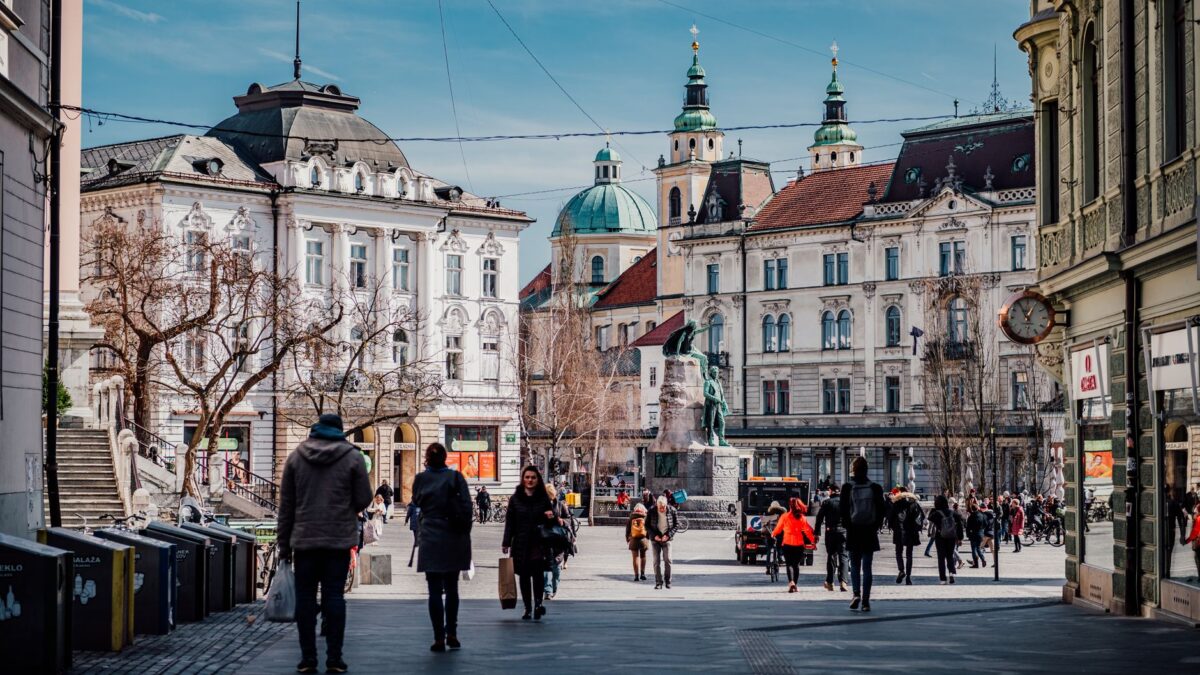
Late August in Ljubljana is a beautiful, languid time. The festival crowds are thinning, the evenings carry a first hint of autumn, and the market stalls are groaning under the weight of tomatoes, figs, and the famous Krakovo radicchio. You’re here in the golden hour of the Slovenian summer — the days are still long, but the city feels like it’s exhaling. And eating well is absurdly easy. Let me be your guide.
Street Food & Quick Bites
Start your culinary tour the way locals do — not at a fancy restaurant, but at the Plečnik Central Market (Glavna tržnica), the colonnaded riverside market between the Triple and Dragon bridges. Grab a Kranjska klobasa — Slovenia’s beloved Carniolan sausage — served with bread and mustard for about €4–6. It’s simple, smoky, and best eaten standing up, watching the Ljubljanica drift by. On Fridays from March through October, the market also hosts Odprta Kuhna (Open Kitchen), a street-food extravaganza where you can taste your way through Balkan grills, Adriatic seafood, and local wine in one afternoon.
If you’re after something more substantial — and you will be after all that walking — head to Čevabdžinica Sarajevo ’84. This is the real deal for ćevapi, the grilled minced-meat sausages of the Balkans. A plate with somun bread, onions, and kajmak (creamy dairy spread) will run you around €8–10, and it’s the kind of meal that powers you up the castle hill. For a late-night fix, seek out a burek — flaky, buttery, filled with meat or cheese — from one of the city’s 24-hour bakeries. At €2–3, it’s the cheapest good thing in town.
Casual Sit-Down — Where Locals Actually Go
Ljubljana’s heart, the pedestrian Old Town, is full of charming but tourist-oriented spots. To eat like a local, cross the river to Trnovo, the bohemian quarter where architect Jože Plečnik once lived. Here you’ll find Julija, a small, beloved bistro that nails the modern-Slovenian balance — think buckwheat gnocchi with wild mushrooms, or slow-cooked beef with polenta. A main course will set you back around €15–20, and the wine list is all Slovenian. Book ahead; this place is tiny and everyone knows it.
Another firm favourite is Baščaršija, a Bosnian grill house on Trubarjeva cesta, just a few steps from the Triple Bridge. It’s louder, faster, and cheaper than Julija, but the ćevapi and raznići (grilled skewers) are top-tier. A full meal with a side of lepinja bread and a yogurt drink will be about €12–15. For a vegetarian-friendly alternative, head to Pop’s place — a hip, casual spot near Congress Square known for its creative salads and burgers (yes, burgers — but with Slovenian cheese and locally sourced beef).
If you want a proper, white-tablecloth experience without breaking the bank, Restavracija Most (meaning “bridge”) is the city’s best-kept secret. Tucked on a quiet street near the Dragon Bridge, it serves refined Slovenian cuisine — think venison with elderberry sauce, or trout with horseradish cream — for about €25–30 for a three-course meal. It’s the kind of place where you’ll be the only tourist in the room.
Kavarna Culture & Sweet Things
Ljubljana runs on coffee. The classic cappuccino at any of the riverside cafés — like Cacao, with its famous hot chocolate, or Wonderland Lake, a pretty spot near Tivoli Park — will cost you about €2.50. That’s a good €1 less than in Vienna. For the real aficionados, head to Črno Zrno, a specialty-coffee roaster in the centre, where the baristas treat their craft with monastic seriousness. A flat white there is a work of art.
Slice of cake? Try the gibanica (layers of poppy seeds, cottage cheese, walnuts, and apples) at a local bakery, or the famous kremna rezina — a custard-cream slice that Ljubljanans argue about with religious fervour. You’ll find it in most konditoreien for around €3–4. Pair it with a local draft beer (about €3.50 for a half-litre) — try a lager from Union or Laško, or seek out one of the craft brews from the Trnovo district’s micropubs.
When You’re Hungry at Night — Festivals & Late Eats
Summer is festival season, and the food follows. The Nights in Old Ljubljana Town festival (late August, dates are fluid — check locally) turns Plečnik’s arcades into a floating marketplace of live jazz, ethno melodies, and sizzling stands. It’s not gourmet, but it’s the most magical way to eat on the river. Earlier in the month (22 August), the Summer Promenade of Flavours takes over the Cobblers’ Bridge with sparkling wine and fresh summer dishes — worth catching if you time it right.
And if you’re still out after midnight — and in Ljubljana, you will be — the Metelkova district is your friend. This squatted cultural centre, home to clubs like Klub Gromka and Channel Zero, is a haven of late-night food trucks and open-air barbecues (bring cash). A grilled sausage with bread will set you back about €3–4, and the atmosphere is unforgettable — murals, music, and the feeling that you’ve stumbled onto a secret playground.
The Real Price of Eating in Ljubljana
Let’s talk numbers. Ljubljana is genuinely good value for a mid-sized European capital. For €15, you can get a full meal at an inexpensive local restaurant — think a hearty štruklji (rolled dumplings) or a plate of buckwheat žganci with sauerkraut. For a mid-range dinner for two — three courses, a bottle of local wine, maybe a digestif — budget around €60. That’s half what you’d pay in Vienna or Amsterdam for the same quality.
A cappuccino is €2.50; a local draft beer (0.5L) is €3.50. The Kranjska klobasa at the market is €4–6 with bread and mustard; a burek is €2–3. Even a short taxi ride around the centre — if you’re too full to walk — is just €5–10. And the Urbana card for buses is a steal at €1.50 for 90 minutes of transfers.
Yes, rents are climbing (a one-bedroom in the centre is about €950 a month), but tourists don’t pay rent. For visitors, Ljubljana is a place where you can eat like royalty without planning a budget. Just bring good walking shoes.
My Last Bite of Advice
Don’t leave without trying the Krakovo radicchio — grown in the heirloom gardens of the city’s oldest settlement, right in the centre of town. It’s a leafy, slightly bitter green that Slovenians adore, often served with olive oil and a squeeze of lemon. Ask for it at a restaurant, or buy a head at the market and eat it raw with bread and butter.
And one more thing: the Ljubljana Castle is not just for views — it also houses a small gastronomy exhibition. But honestly, the best views come after a lunch at Julija, a walk along the river, and a scoop of gelato from the Cacao at Prešeren Square. That’s the Slovenia I live in. Enjoy every bite.
Frequently asked questions
What is the typical cost of a meal in Ljubljana?
A meal at an inexpensive local restaurant costs around €15. A mid-range 3-course dinner for two is about €60, and a Kranjska klobasa at the market is €4–6.
Where can I try the best street food in Ljubljana?
The Plečnik Central Market offers Kranjska klobasa and, on Fridays (March–October), Odprta Kuhna. Also try burek from bakeries (€2–3) or ćevapi at Čevabdžinica Sarajevo '84.
Is Ljubljana expensive for food compared to other European cities?
No, it's good value. Coffee is €2.50, beer €3.50, and a full restaurant meal €15–20 — noticeably cheaper than Vienna or Amsterdam.
What is the local specialty I must try in Ljubljana?
Don't miss Kranjska klobasa (Carniolan sausage) and Krakovo radicchio, a locally grown heirloom green. For dessert, try gibanica or kremna rezina.
Are there any food festivals in Ljubljana in late August?
Yes, the Summer Promenade of Flavours (22 Aug) and Nights in Old Ljubljana Town (late Aug) feature street food and wine. Also, Odprta Kuhna runs weekly at the market.


