

A first-timer’s guide to Bulgaria
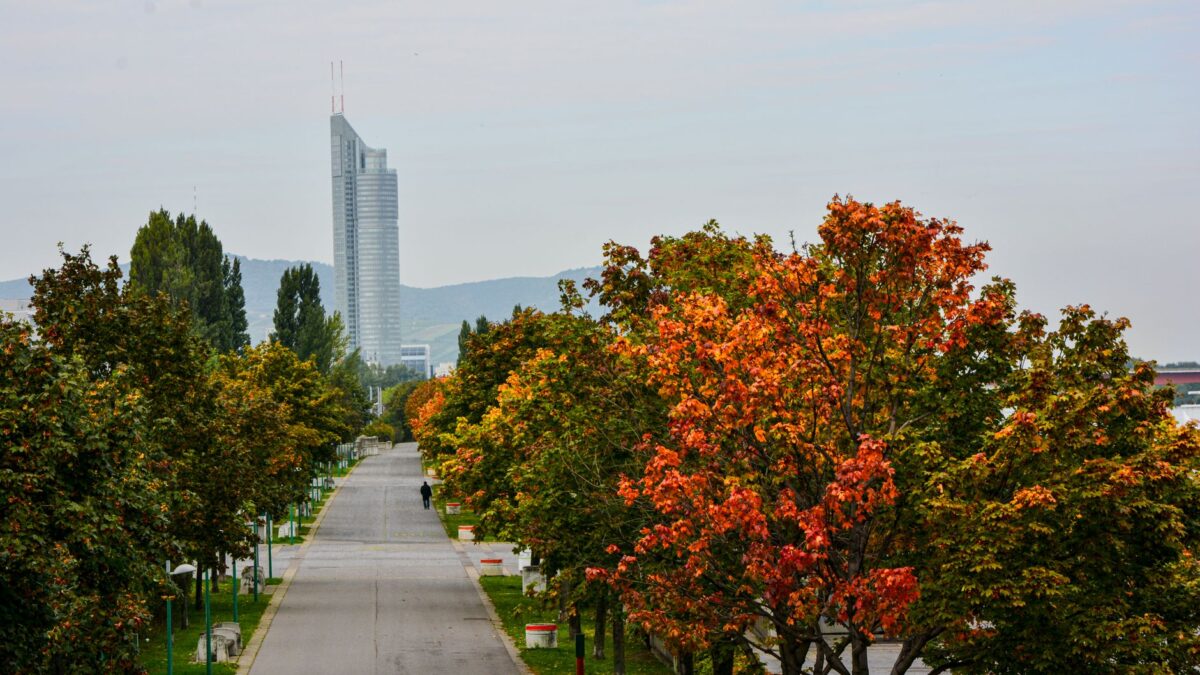
You step off the plane into Sofia and the air hits you with that specific, crisp bite of late autumn. It is mid-October here, and the city is drowning in gold. The chestnut trees along Vitosha Boulevard are shedding their leaves, and the street corners are suddenly crowded with pumpkin stalls selling roasted seeds. If you are a first-timer, this is the moment to realize: Bulgaria is not just a transit point for the Balkans; it is a place where Roman ruins sit directly beneath your feet while Ottoman mosques watch over socialist-era apartment blocks. I am Georgi Dimitrov, and after years of navigating these streets, I want to save you from the common tourist traps and help you experience the real Sofia.
When to Visit and How Long to Stay
Sofia has four distinct seasons, but the sweet spot for most travelers is either May through June or September through October. We are currently in the “golden-leaf fortnight.” The weather hovers around 4–11°C, which feels colder when the fog rolls down from Vitosha Mountain, but the light is perfect for photography. Summer can be brutally hot, often exceeding 30°C, while winter brings snow that makes skiing on Vitosha possible just half an hour from the city center.
For how long? Two days is enough to see the main sights, but five to seven days allows you to breathe. You need time to wander the pedestrian stretch of Vitosha Boulevard, take the bus up to the Aleko hut for lunch, and explore the UNESCO-listed Boyana Church without rushing. If you visit in October, like now, you might catch the BierGarten Sofia in Borisova Garden, a heated Bavarian-style village running through the 25th, or the free-entry concerts at SoAlive Music Conference. These local events give you a taste of the city’s vibrant social pulse that guidebooks often miss.
Getting Around: Metro, Buses, and Walking
Sofia is compact enough to walk, but its public transport network is efficient if you know how to use it. The Sofia Urban Mobility Centre (SUMC) runs a metro system with four lines. As of August 2026, the map has changed; three new stations east of Hadzhi Dimitar now form the M3 terminus. Do not rely on old maps or taxi drivers who might still point you to the old end of the line.
You will need a card. Visitors should buy the “Ultralight” card, a reloadable smart card available at metro stations. Single fares are roughly €0.80, but if you plan to move around, the “Ticket 30+” for €0.80 per ride or the 24-hour pass for €3 is much better value. Remember to validate your ticket on every tram, bus, or metro car you enter—not just at the station gates. For longer stays, the monthly pass is about €25.50.
Walking is best in the Sredets district, the historic center. Here, you can see the Roman Serdica ruins under glass floors in the streets and the magnificent Alexander Nevsky Cathedral. However, be careful in the Serdika underpass and along Maria Luiza Blvd, where pickpockets target tourists. Use official taxis like OK Supertrans at the airport or apps like Bolt to avoid overcharging scams.
The Money Matters: Euros, Costs, and Dining
This is the biggest change for returning visitors. Since January 1, 2026, Bulgaria adopted the Euro. The Lev ceased to be legal tender on February 1, 2026. While you can still exchange old Lev cash for free at the Bulgarian National Bank indefinitely, everything in shops, restaurants, and hotels is priced in EUR. This shift has caused what locals call “the Teuro,” with some cafe prices rising faster than grocery costs due to rounding.
Despite this, Sofia remains one of the cheapest capitals in the EU. A modest meal at a local taverna, like a Shopska salad with grated sirene cheese, costs around €4.50 to €5.00. A three-course dinner for two at a mid-range restaurant might set you back €55 to €60. Coffee is affordable too; a cappuccino at a place like Izzy’s Coffee or Martines Specialty Coffee Shop is roughly €3.00 to €3.50. For breakfast, grab a piece of banitsa—a flaky filo pastry filled with yogurt cheese—from any bakery counter for about €1.50. It is the standard Sofia start to the day.
If you are staying longer, rent is reasonable. A one-bedroom flat outside the center costs around €530–€550 per month, while city-center flats are closer to €700. Banks like UniCredit Bulbank and DSK Bank are reliable, but expect to provide address registration to open a full account. Many newcomers use Revolut or Wise alongside a local account for daily spending.
Where to Stay and What to Know
Your choice of district defines your Sofia experience. The Sredets/City Centre district is ideal for first-timers, putting you within walking distance of the National Palace of Culture (NDK), the Largo, and all major museums. If you prefer a more residential, expat-friendly vibe with great restaurants along Cherni Vrah Blvd, look at Lozenets. For a quieter, intellectual atmosphere with surviving socialist-modernist architecture, consider Iztok & Izgrev near Borisova Gradina park.
Here are a few things first-timers wish they knew before landing:
- Visas: Bulgaria is now a full Schengen member. Your Schengen visa covers entry, so no separate Bulgarian visa is needed for short stays.
- Address Registration: If you stay more than 90 days, you must register your address. This is crucial for opening bank accounts and getting residency permits.
- SIM Cards: You cannot buy anonymous SIMs. You must go to an A1, Vivacom, or Yettel shop with your passport to register a prepaid card. A1 and Yettel offer eSIMs if you arrive before securing a local address.
- Nature Access: Vitosha Mountain is part of the city. Take bus 66 or 107 to Simeonovo, then the chairlift up. In winter, you can ski; in summer, hike. The Seven Rila Lakes are a two-hour drive away for a bigger adventure.
Bulgaria is a country of contrasts, where ancient traditions meet rapid modernization. By understanding the practicalities—the euro transition, the metro updates, and the hidden neighborhoods—you can move beyond being a tourist and start feeling like a local. Enjoy the coffee, respect the history, and let the mountain air clear your head.
Frequently asked questions
Is Bulgaria using the Euro yet?
Yes, Bulgaria officially adopted the Euro on January 1, 2026. The Lev is no longer legal tender as of February 1, 2026, though you can exchange old Lev cash for free at the Bulgarian National Bank.
How much does a meal cost in Sofia?
Sofia remains affordable. Expect to pay around €4.50–€5.00 for a simple lunch like a Shopska salad, and approximately €55–€60 for a three-course dinner for two at a mid-range restaurant.
Do I need a visa for Bulgaria?
Bulgaria is a full Schengen member. If you have a valid Schengen visa or are visa-exempt for the Schengen area, you can enter Bulgaria for short stays without a separate national visa.
How do I get a mobile SIM card in Sofia?
You must register your SIM card in person with a passport at official shops for networks like A1, Vivacom, or Yettel. Anonymous prepaid cards are not available.
What is the best way to get to Vitosha Mountain?
Take bus 66 or 107 to the Simeonovo stop, then transfer to the chairlift. This takes you up to the Aleko hut, offering hiking trails in summer and skiing in winter.
Things to do in Bulgaria
 Borovets: Private Ski or Snowboard Tuition
 Half Day Tour around Sofia and the mountains with Thermal Spa
 Food Walk: Bulgarian Food and Culture Tour in Plovdiv
 Sofia Discount Card – Balloon Flights, ATV, Spa, 70+ Experiences
 Private Wine Tasting in the UNESCO town of Nessebar
 ATV Off Road Tour Near Sofia Guided Quad Bike Experience