
Bulgaria Travel Podcast with Georgi Dimitrov
Hosted by Georgi Dimitrov — a new episode every day from Bulgaria.
This podcast is a slow, place-based companion for travelling in Bulgaria, made by someone who stays in one area long enough to learn it. Bulgaria’s character comes from its terrain: most of the country is mountains, with lowlands to the north and southeast, and a climate of cold, damp winters and hot, dry summers.
He moves between Sofia, the Balkan Mountains, the Danubian plain and the Rhodope villages, following the roads and railway lines that link them. Episodes also turn to the Turkish-speaking towns of the northeast, the Orthodox churches of Veliko Tarnovo, and the Muslim communities of the southern valleys.
Each season is recorded in the place itself, so the heat of a Sofia summer and the damp of a Danube-side winter become part of the narrative. The host returns to villages and mountain towns months later, noting what has changed and what has not. Over time, a map of Bulgaria builds from repeated visits rather than one sweeping tour.
Recent episodes
Things to do in Bulgaria
 Borovets: Private Ski or Snowboard Tuition
 Half Day Tour around Sofia and the mountains with Thermal Spa
 Food Walk: Bulgarian Food and Culture Tour in Plovdiv
 Sofia Discount Card – Balloon Flights, ATV, Spa, 70+ Experiences
 Private Wine Tasting in the UNESCO town of Nessebar
 Plovdiv, Asen's Fortress and Bachkovo Monastery small group tour with pickup
 E-Motorcycle Tour in Rhodope Mountains to a Beautiful Canyon View
 Sofia from the Top and Alexander Nevski Catherdral
Plan your trip to Bulgaria
Getting around
Staying connected
Bulgaria at a glance
Bulgaria in depth
Reference data on the country — geography, people, history, economy and transport.
Geography and climate
Location
Southeastern Europe, bordering the Black Sea, between Romania and Turkey
Terrain
Mostly mountains with lowlands in north and southeast
Climate
Temperate; cold, damp winters; hot, dry summers
Elevation
- Highest point
- Musala 2,925 m
- Lowest point
- Black Sea 0 m
- Mean elevation
- 472 m
Area
- Total
- 110,879 sq km
- Land
- 108,489 sq km
- Water
- 2,390 sq km
Size comparison
Almost identical in size to Virginia; slightly larger than Tennessee
Coastline
354 km
Land borders
- Total
- 1,806 km
- Border countries
- Greece 472 km; Macedonia 162 km; Romania 605 km; Serbia 344 km; Turkey 223 km
Natural resources
Bauxite, copper, lead, zinc, coal, timber, arable land
Land use
- Agricultural land
- 46.1% (2023 est.)
- Arable land
- 32.1% (2023 est.)
- Permanent crops
- 1.3% (2023 est.)
- Permanent pasture
- 12.7% (2023 est.)
- Forest
- 36.2% (2023 est.)
- Other
- 17.7% (2023 est.)
Natural hazards
Earthquakes; landslides
Note
Strategic location near Turkish Straits; controls key land routes from Europe to Middle East and Asia
People and society
Population
- Total
- 6,737,997 (2025 est.)
- Male
- 3,281,215
- Female
- 3,456,782
Nationality
- Noun
- Bulgarian(s)
- Adjective
- Bulgarian
Ethnic groups
Bulgarian 78.5%, Turkish 7.8%, Roma 4.1%, other 1.2%, unspecified 9.4% (2021 est.)
Languages
- Languages
- Bulgarian (official) 77.3%, Turkish 7.9%, Romani 3.5%, other 1%, unspecified 10.4% (2021 est.)
- Major-language sample(s)
- Светoвен Алманах, незаменимият източник за основна информация. (Bulgarian)
Religions
Christian 64.7%, Muslim 9.8%, other 0.1%, none 4.7%, unspecified 20.7% (2021 est.)
Median age
- Total
- 45.5 years (2025 est.)
- Male
- 43.3 years
- Female
- 47 years
Life expectancy
- Total population
- 76.1 years (2024 est.)
- Male
- 72.9 years
- Female
- 79.4 years
Urbanisation
- Urban population
- 76.7% of total population (2023)
- Rate of urbanization
- -0.28% annual rate of change (2020-25 est.)
Where people live
A fairly even distribution throughout most of the country, with urban areas attracting larger populations
Largest cities
1.288 million SOFIA (capital) (2023)
Background and government
Background
The Bulgars, a Central Asian Turkic tribe, merged with the local Slavic inhabitants in the late 7th century to form the first Bulgarian state. In succeeding centuries, Bulgaria struggled with the Byzantine Empire to assert its place in the Balkans, but by the end of the 14th century, the Ottoman Turks overran the country. Northern Bulgaria attained autonomy in 1878, and all of Bulgaria became independent from the Ottoman Empire in 1908. Having fought on the losing side in both World Wars, Bulgaria fell within the Soviet sphere of influence and became a People's Republic in 1946. Communist domination ended in 1990, when Bulgaria held its first multiparty election since World War II and began the contentious process of moving toward political democracy and a market economy while combating inflation, unemployment, corruption, and crime. The country joined NATO in 2004, the EU in 2007, and the Schengen Area for air and sea travel in 2024.
Government
Parliamentary republic
Capital
Sofia
Time zone
UTC+2 (7 hours ahead of Washington, DC, during Standard Time)
Local name
Republika Bulgaria
Independence
3 March 1878 (as an autonomous principality within the Ottoman Empire); 22 September 1908 (complete independence from the Ottoman Empire)
National day
Liberation Day, 3 March (1878)
Economy and cost of living
Overview
Upper-middle-income EU economy; currency pegged to the euro, with eurozone accession pending; declining energy prices helping lower inflation rate; EU structural funds contributing to investment recovery; skilled labor shortage driven by emigration and aging population
GDP per capita
- Real GDP per capita 2024
- $34,100 (2024 est.)
- Real GDP per capita 2023
- $33,100 (2023 est.)
- Real GDP per capita 2022
- $32,400 (2022 est.)
Inflation
- Inflation rate (consumer prices) 2024
- 2.4% (2024 est.)
- Inflation rate (consumer prices) 2023
- 9.4% (2023 est.)
- Inflation rate (consumer prices) 2022
- 15.3% (2022 est.)
Unemployment
- Unemployment rate 2024
- 4.2% (2024 est.)
- Unemployment rate 2023
- 4.4% (2023 est.)
- Unemployment rate 2022
- 4.3% (2022 est.)
Exchange rate
- Currency
- Leva (BGN) per US dollar -
- Exchange rates 2024
- 1.808 (2024 est.)
- Exchange rates 2023
- 1.809 (2023 est.)
- Exchange rates 2022
- 1.86 (2022 est.)
- Exchange rates 2021
- 1.654 (2021 est.)
- Exchange rates 2020
- 1.716 (2020 est.)
Main industries
Electricity, gas, water; food, beverages, tobacco; machinery and equipment, automotive parts, base metals, chemical products, coke, refined petroleum, nuclear fuel; outsourcing centers
Agriculture
Wheat, maize, sunflower seeds, barley, milk, rapeseed, grapes, potatoes, triticale, tomatoes (2023)
Transport and connectivity
Airports
107 (2025)
Railways
Total 4,029 km (2020) 2,871 km electrified
Ports
- Total ports
- 2 (2024)
- Large
- 1
- Medium
- 0
- Small
- 1
- Very small
- 0
- Ports with oil terminals
- 2
- Key ports
- Burgas, Varna
Internet domain
.bg
Internet users
Percent of population 80% (2023 est.)
Mobile subscriptions
- Total subscriptions
- 7.98 million (2024 est.)
- Subscriptions per 100 inhabitants
- 118 (2024 est.)
Environment
Environmental issues
Air pollution from industrial emissions; rivers polluted from raw sewage, heavy metals, detergents; deforestation; forest damage from air pollution and acid rain; soil contamination from heavy metals from metallurgical plants and industrial wastes
Fresh water
21.3 billion cubic meters (2022 est.)
Country reference figures are periodically revised. Check anything time-sensitive or safety-critical against an official source before you travel.
Bulgaria travel guides
 Living Abroad
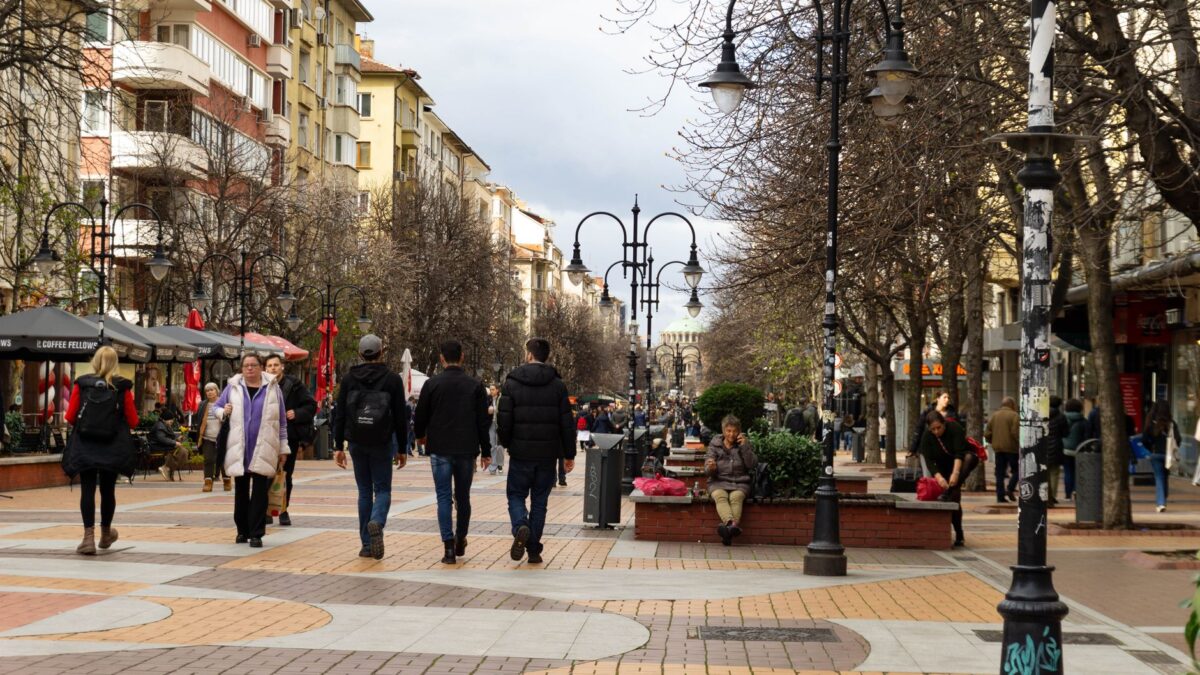
Moving to Bulgaria: visas, banking and SIM cards
Practical guide to moving to Bulgaria: visas, LNCH registration, banking, SIM cards, and transit tips for Sofia in 2026.
 Getting Around
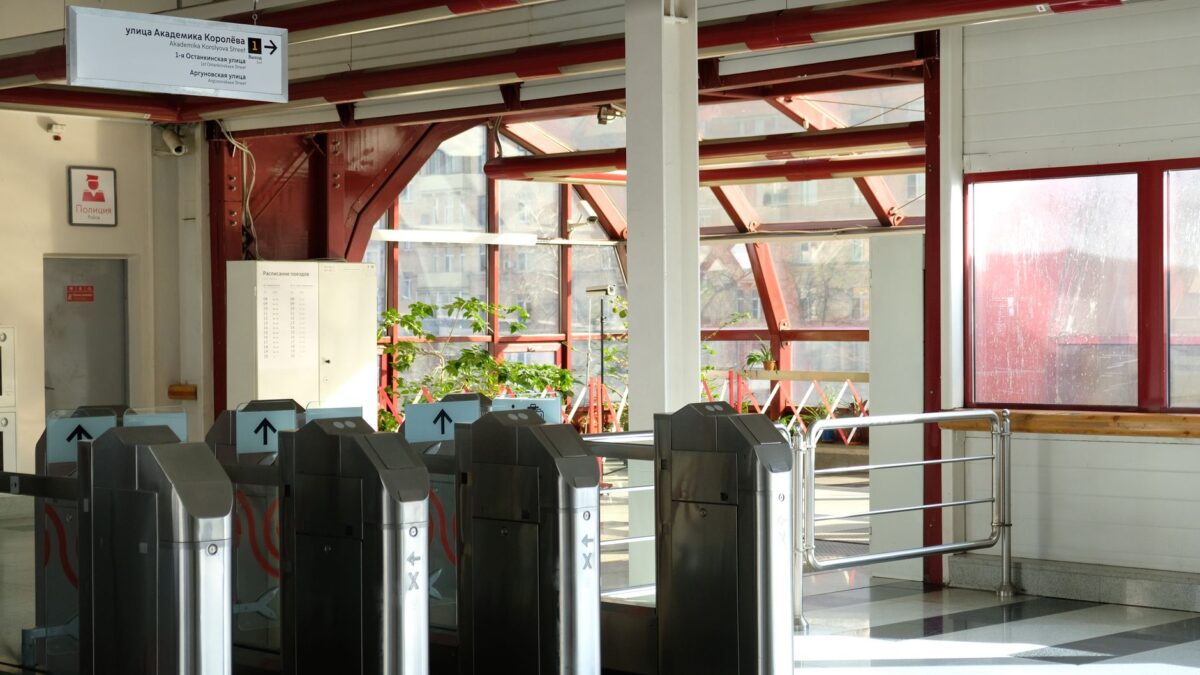
Getting around Sofia: metros, taxis and passes
Navigate Sofia like a local: metro tips, fare hacks, taxi advice, and walking routes for September travel in Bulgaria.
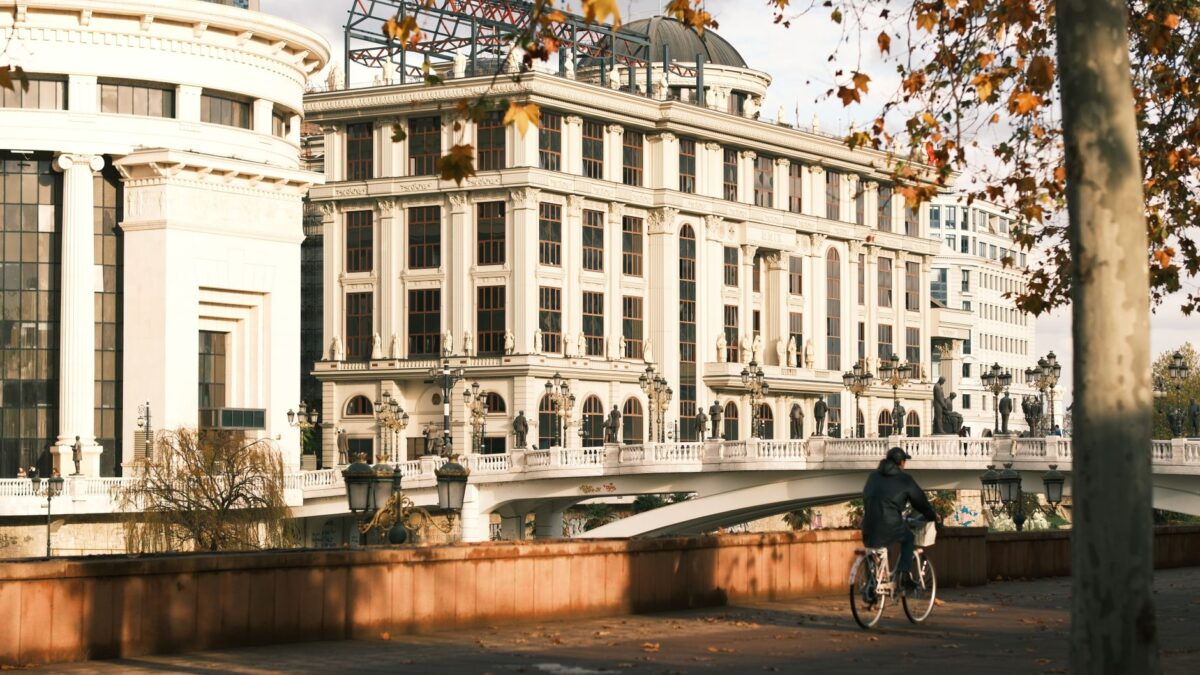 News & Updates
Bulgaria in September 2026: what travelers should know now
Bulgaria in September 2026: weather, festivals, transport disruptions, and local tips for Sofia travelers.
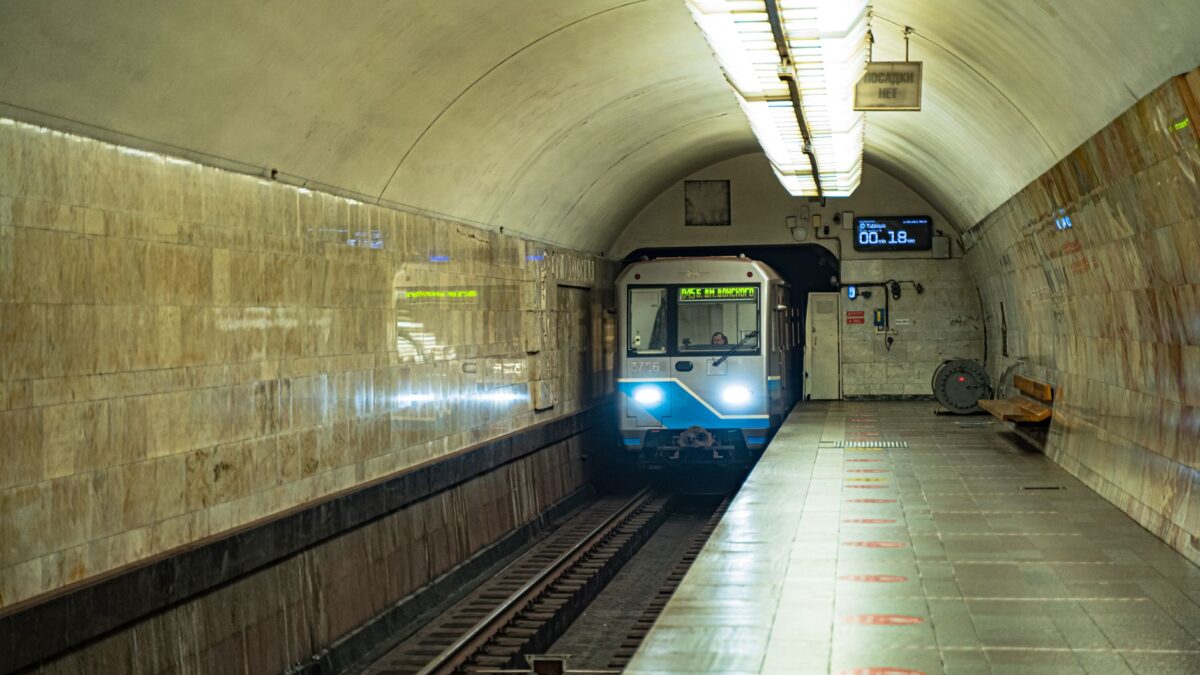 Getting Around
From the airport into Sofia: every option and what it costs
From Sofia Airport into the city: metro, bus, taxi & private transfer — real prices, times, and which to pick. Honest local advice for…
Eastern Europe
 Poland
Poland Travel Podcast with Kacper Nowak
The flat North European Plain, stretching across central Poland and lacking natural barriers, has shaped centuries of conflict and movement.
 Czechia
Czechia Travel Podcast with Tereza Nováková
From Prague to the Moravian Gate, this show follows one resident learning Czechia's landscapes over seasons, with low mountains and hilly country…
 Hungary
Hungary Travel Podcast with Bence Kovács
Budapest, the capital and largest city, stands on the Duna, one of the two rivers that split Hungary into three regions.
 Romania
Romania Travel Podcast with Ioana Popescu
The Eastern Carpathians separate the Transylvanian Basin from the Moldavian Plateau, shaping a central Romania of foggy winters and summer storms.