

A first-timer’s guide to Cambodia
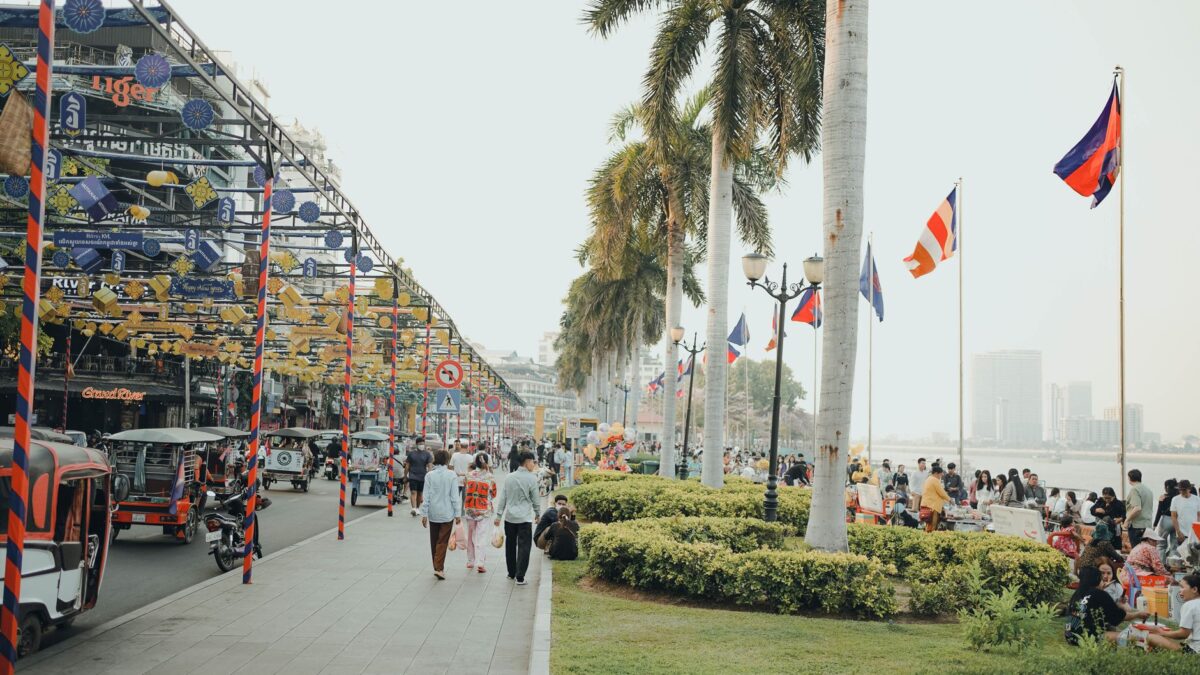
The air in Phnom Penh doesn’t just sit; it presses. It is late September, deep in the green season, and the humidity hangs heavy at around 37°C despite the thermometer reading a manageable 24–31°C. You step out of Techo International Airport—opened only last year, sitting about 19 km south of the centre—and you immediately understand why locals call this city the “Pearl of Asia.” But pearls are formed under pressure, and Cambodia’s history is etched into every cobblestone and riverside promenade. As your host on Paris2Tokyo, I want to give you the practical keys to unlocking this place before you even land.
When to Visit: The Rhythm of Rain and Festivals
Cambodia’s weather dictates its soul. If you visit between November and February, you’ll catch the cool, dry season. But if you’re coming now, in the rainy season, you’re signing up for a different experience. Expect hot, humid days punctuated by sudden, violent thunderstorms. Right now, we are seeing roughly 12mm of rain over a 15-hour period, with storms that can flood low-lying streets within minutes. This isn’t a deterrent; it’s part of the rhythm. The rains turn the countryside an impossible emerald green and clear the smog from the city.
Timing your trip also means respecting the calendar. Avoid the peak of Pchum Ben, the annual Festival of the Dead, which runs from October 10 to 12. During these three days, the country pauses. Temples are packed, roads are quieter, and it is a profound time of cultural reflection for locals. If you miss that window, watch for Constitution Day on September 24 or the Commemoration of the King’s Father on October 15. These holidays offer a glimpse into national pride, but businesses may operate on reduced hours.
Getting Around: Navigating the Concrete Jungle
Phnom Penh has no metro, no tram, and certainly no tap-card system. Your primary modes of transport are tuk-tuks and ride-hailing apps. While haggling with street-side tuk-tuk drivers is part of the charm, first-timers will find safety and transparency in using Grab, PassApp, or Tada. These apps lock in the price and track your route, protecting you from tourist traps.
If you prefer public transit, the Phnom Penh City Bus network offers about 13 routes for a flat fare of roughly 1,500 riel (about US$0.37). Buses run from approximately 5:30 am to 8:30 pm, though schedules can be fluid. Check the app-based maps rather than relying on printed timetables. Be aware that traffic is dense, especially during rush hour. Recent infrastructure changes include the closure of sections of Xi Jinping Boulevard (the 3rd Ring Road) due to the new Mekong river bridge construction, diverting traffic onto Street 116A and Street 12A. Also, note that Street 271 in Mean Chey district has been suffering from severe potholes destroyed by heavy trucks, so plan your detours accordingly.
Money, Tech, and Staying Legal
Cambodia operates on a dual-currency economy. US dollars are king for larger transactions, hotels, and tours, while the Cambodian Riel (KHR) is used for small purchases like street food or market snacks. The exchange rate is currently around 4,072 KHR to 1 USD. However, the future of payment here is digital. Almost everything now accepts the Bakong / KHQR QR code system. You don’t need to carry wads of cash if you have a local banking app set up.
To get started legally, most nationalities require a visa. The tourist e-Visa costs US$36 (US$30 fee plus US$6) and is applied for at evisa.gov.kh. Visa on arrival is available at airports and major land borders for US$30 (T-class) or US$35 (E-class), valid for 30 days and extendable once. Crucially, since January 2, 2026, physical passport stamps have been replaced by a v-Pass (Visitor Pass) emailed to you upon arrival. Keep this digital copy on your phone and print a backup.
You must also file the free Cambodia e-Arrival card at arrival.gov.kh within seven days of arrival. This is not a visa, but a mandatory health and customs declaration. If you plan to stay longer or work, you will need to register in the FPCS (Foreigners Present in Cambodia System). Landlords are legally required to register you via the police app within 24 hours of your move-in. Failure to do so can block visa extensions and incur fines of up to KHR 400,000 for negligent operators. Given the current crackdown on illegal residency under Prime Minister Hun Manet’s administration, carrying your passport or a clear photo of it alongside your visa details is essential for daily life.
Where to Stay and Eat: Districts Defined
Phnom Penh is best understood through its districts. For first-timers, Daun Penh is the historic heart. Here, you’ll find the Royal Palace, the National Museum, Wat Phnom, and the Central Market. The Sisowath Quay riverside bar strip is energetic but can be noisy. If you prefer a more expat-friendly vibe with specialty coffee and international schools, head to Chamkar Mon, specifically the BKK1 area known as the “foreign capital.” For a grittier, more authentic feel among younger expats and NGO staff, look toward Toul Tom Poung near the Russian Market. It’s cheaper, closer to Tuol Sleng Genocide Museum, and feels less polished but very real.
When dining, avoid the tourist traps near the main temples. Instead, walk down to the riverside or explore the BKK cafes. Try Selapak Coffee and Eatery for local flavours, or Lagràce Cafe for a quiet respite. For dinner, Riverview Restaurant & Bar offers classic views, while Maloop provides a modern twist on Khmer cuisine. If you’re feeling adventurous, Wild Phnom Penh serves hearty meals in a relaxed setting. Don’t forget to check out AURA – Phnom Penh for high-end dining experiences.
Safety and Cultural Etiquette
Central Phnom Penh is generally safe by regional standards, but vigilance is required. The biggest risks are motorbike bag-snatching, particularly late at night around the Riverside bar strip, and traffic accidents. Always wear a helmet if riding a motorbike. Police checks have increased significantly in 2026 following the dismantling of large-scale scam compounds and the adoption of the 11-point Phnom Penh Declaration. Cooperate calmly if stopped; having your ID and visa documentation ready speeds up the process.
Culturally, dress modestly when visiting temples. Remove hats and shoes before entering sacred spaces. When greeting elders or monks, use the sampeah—a slight bow with palms pressed together. Finally, be mindful of the country’s painful history. Sites like Tuol Sleng Genocide Museum (S-21) and Choeung Ek (the Killing Fields) are somber reminders of the Khmer Rouge regime. Approach them with respect and silence. Cambodia has survived immense trauma to become the vibrant, resilient nation it is today. Treat its people and its past with the dignity they deserve.
Frequently asked questions
Do I need a visa to enter Cambodia?
Yes, most nationalities need a visa. You can apply for a tourist e-Visa online for US$36 or get one on arrival for US$30-$35. Since 2026, you will receive a digital v-Pass via email instead of a physical stamp.
How do I pay for things in Phnom Penh?
Cambodia uses both US Dollars and Cambodian Riel. For small items, use Riel. For larger payments and QR codes, the Bakong/KHQR system is widely accepted via local banking apps like ABA or Wing.
Is it safe to travel in Phnom Penh at night?
The city is generally safe, but be cautious of motorbike bag-snatching, especially late at night near the Riverside bars. Use ride-hailing apps like Grab or PassApp instead of hailing random tuk-tuks.
What should I pack for the rainy season?
Pack light, breathable clothing and a sturdy rain jacket. Expect high humidity and sudden afternoon downpours that can cause street flooding. Quick-dry fabrics are essential.
Things to do in Cambodia
 Siem Reap Angkor Airport Taxis (from Airport to Hotel)
 2-Day Private Angkor Wat, Floating Village & Countryside Tour
 Private 3-Days tour at comfortable areas
 Siem Reap Floating Village Sunset Jeep Tour / SUV Car Available
 2-Days in temples and other areas
 From Siem Reap: Angkor Wat and Floating Village 3-Day Trip