

A first-timer’s guide to Colombia
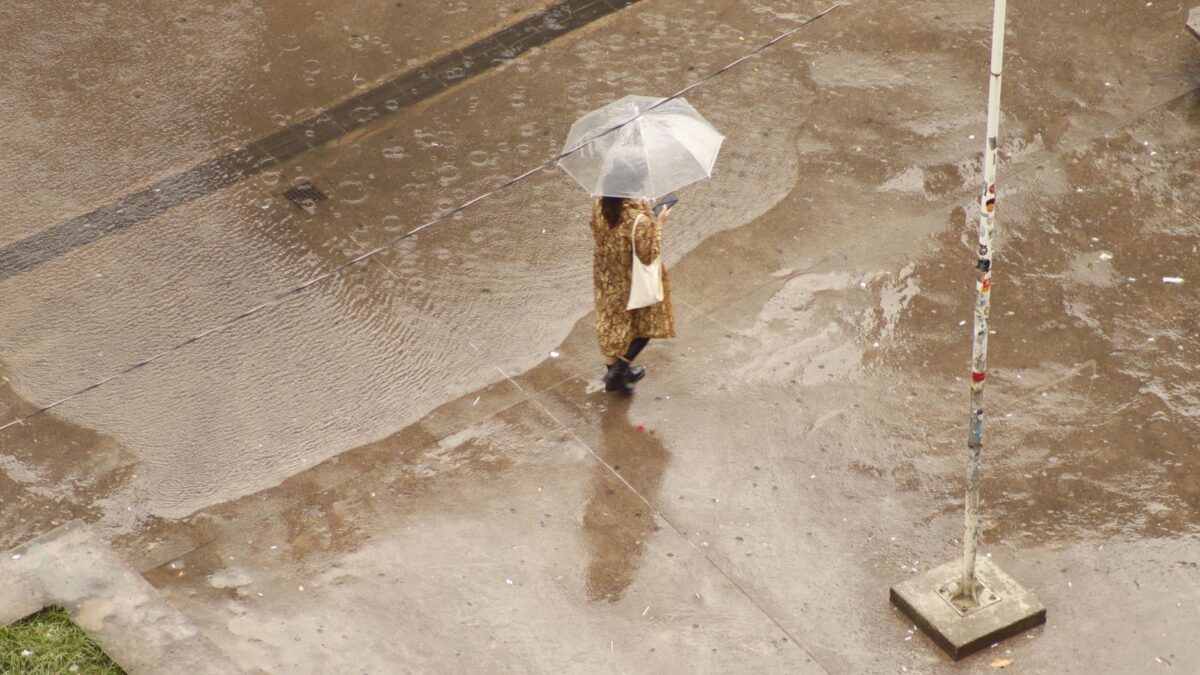
You step off the plane at El Dorado and immediately feel the thin, crisp air of the Andes. It is late October in Bogotá, and if you are like most first-timers, you are bracing yourself against the grey skies and the drizzle that defines this city’s second rainy season. The temperature hovers around 11–21°C, a cool embrace that pushes you toward warm cafes and bustling indoor markets. This is not the tropical heat of Cartagena or the sun-drenched beaches of Santa Marta; this is the soul of Colombia, sitting high on the Sabana de Bogotá at roughly 2,640 meters. As a local who has navigated these cobblestone streets for years, I want to help you bypass the tourist traps and dive straight into the rhythm of life here.
When to Visit and How Long to Stay
Colombia is vast, but if your journey begins in the capital, know that the weather is your constant companion. The months between April-May and October-November bring more rain, particularly in the afternoons. Late October, as you might be experiencing now, is thick with clouds and a bit of drizzle, but it also brings a cozy energy. You will see locals gathering for ‘mes de las brujas’ parties and costume nights leading up to Halloween, creating a lively, communal mood despite the wet weather.
For a first-time itinerary, I recommend allocating at least ten to fourteen days. This allows you to settle into Bogotá without rushing, take a day trip to the Zipaquirá Salt Cathedral, and perhaps fly down to the Caribbean coast. If you are staying longer, consider splitting your time between the highlands and the coffee region. The key is to pace yourself; the altitude can be taxing for the first few days, so start slow. Let your body adjust before you tackle the steep climb up Cerro de Monserrate or the long drives to Guatavita.
Navigating the City: Transit and Neighborhoods
Bogotá is a sprawling metropolis of nearly 7.7 million people, and getting around requires strategy. Cash does not work on the buses. You must use the TuLlave card, which costs around COP 8,000 (about $2) to activate. You can buy and recharge this card at TransMilenio portals like Portal del Norte or Portal de la 80, and even at Éxito supermarkets. The fare is roughly COP 3,450 per ride, which includes free transfers within 90 to 110 minutes. For frequent travelers, the monthly TransMiPass offers 65 rides for about COP 160,000 (roughly $40), making it a smart investment if you plan to move around daily.
Where you stay dictates your experience. La Candelaria, the colonial heart founded in 1538, is visually stunning with its Plaza de Bolívar and historic museums, but it can feel isolated at night. For a better blend of safety, connectivity, and nightlife, look toward Chapinero. This district, including the Zona G for gastronomy and the Zona Rosa for LGBTQ+-friendly bars, is where many expats and digital nomads live. It has excellent access via TransMilenio along Caracas and Carrera 7. If you prefer a quieter, residential vibe with English-style architecture, Teusaquillo offers great value and walkability. For those seeking upscale luxury and fine dining, the Zona T and Parque de la 93 area is considered the safest and most polished part of the city.
The Practical Essentials: Money, SIM Cards, and Safety
Colombia uses the Colombian peso (COP). With inflation hovering around 5%, prices are climbing, but your dollar still goes far for food and transit. A typical local lunch, known as a ‘corrientazo’ or menu del día, can be found for about 12,000–17,000 COP (approx. $4). A meal at a mid-range restaurant might set you back around 35,000 COP ($9), while a hearty plate of bandeja paisa costs roughly 18,900 COP ($5). Rent for a modest one-bedroom flat outside the center runs about 1,500,000–1,600,000 COP ($380) per month, though this is less relevant for short-term visitors.
Getting connected is easy. At Terminal 1 of El Dorado airport, you will find kiosks for Claro, Movistar, and Tigo. Buy a prepaid SIM with a tourist data plan, but remember to bring your passport, as registration is mandatory. For daily transactions, cash is still king in small markets, but digital wallets like Nequi and Daviplata are ubiquitous. Even street vendors and smaller shops often accept transfers via these apps, so downloading them early can save you from carrying heavy change.
Safety is a valid concern, but Bogotá is manageable if you stay alert. Stick to well-lit areas and use reputable taxi apps rather than hailing cabs on the street. Avoid La Perseverancia and Las Cruces, and be cautious in La Candelaria after dark. Keep your phone hidden, wear your backpack in front, and choose your bus carriage wisely—opt for the front cars near the driver after sunset. In districts like Zona T and Usaquén, you will feel much more at ease exploring the vibrant Sunday flea market or the preserved colonial plaza.
Cultural Nuances and What First-Timers Miss
One thing that surprises visitors is the political and cultural pulse of the city. As the seat of government, Bogotá houses the Capitolio Nacional and the Casa de Nariño around Plaza de Bolívar. The arts scene is equally intense. The city is defined by the works of Fernando Botero and Gabriel García Márquez. While visiting the Gold Museum (Museo del Oro) is a must to understand the El Dorado legend and Muisca heritage, be aware that the Museo Nacional has been in the news recently due to controversial removals of certain exhibits. Locals are closely following court orders regarding these pieces, so check current status before planning a visit.
Food is not just fuel; it is a social ritual. Do not miss the chance to try a sancocho or a fresh cup of tinto at a local mercado. The culinary landscape in Chapinero’s Zona G is world-class, but the real flavor lies in the neighborhood plazas. Also, keep an eye out for events like Hip Hop al Parque in Simón Bolívar Park or the Festival de la Cerveza Artesanal, which often feature dozens of local breweries and live music. These are free or low-cost ways to immerse yourself in the contemporary Colombian spirit.
Finally, respect the bureaucracy. If you are entering visa-free, you do not need to register immediately, but ensure you file the Check-Mig form online before arrival and departure. If you extend your stay beyond 90 days, you must apply for an extension through Migración Colombia, costing around COP 125,000–130,000. Always carry a copy of your passport and entry stamp. Colombia is a country of deep warmth and resilience. By understanding its rhythms, respecting its rules, and venturing beyond the guidebook, you will find that Bogotá is not just a stopover, but a destination that captures your heart.
Frequently asked questions
How much does public transit cost in Bogotá?
The base fare for a single ride on TransMilenio or SITP buses is approximately COP 3,450 (about $0.80). You must use a reusable TuLlave card, which costs around COP 8,000 to purchase initially.
What is the best area to stay in Bogotá for first-timers?
Chapinero, including Zona G and Zona Rosa, is recommended for its safety, connectivity, and vibrant dining scene. Zona T and Parque 93 are also top choices for upscale accommodation and nightlife.
Do I need a visa to enter Colombia?
Citizens of the US, UK, EU, Canada, Australia, and most Latin American countries can enter visa-free for up to 90 days. You must complete the free Check-Mig form online within 72 hours of arrival and departure.
Is it safe to walk around La Candelaria at night?
La Candelaria is lively during the day but locals advise caution at night. It is safer to stick to well-lit main streets, use taxis, or stay in the more populated districts like Chapinero or Usaquén after dark.
What currency should I use in Colombia?
The official currency is the Colombian Peso (COP). While major hotels and restaurants accept cards, digital wallets like Nequi and Daviplata are widely used for everyday transactions, and cash is essential for markets and small vendors.


