

A first-timer’s guide to Dominican Republic
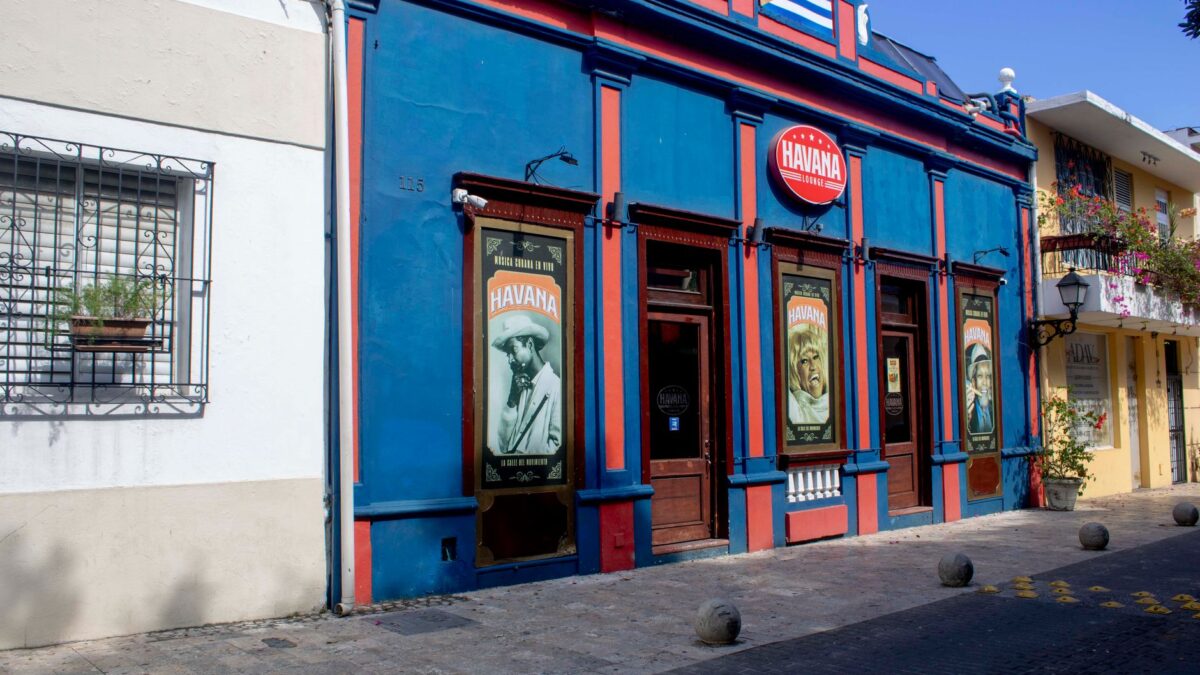
The air in Santo Domingo right now has that specific November weight to it—sticky humidity fighting against the first real cool of the evening, with a light fog clinging to the colonial stone just before sunset. If you are arriving today, you might notice the city is caught between two worlds: the tail end of hurricane season and the sudden, bright explosion of Christmas preparations. Lights are going up along the Malecón, merengue is blasting from every corner store, and the streets around Calle Peña Batlle are alive with the sound of brushes on canvas as REMOZARTE transforms Ensanche La Fe into an open-air gallery.
As your local host, I want to tell you what it actually feels like to navigate this place, not just what a brochure says. The Dominican Republic is vibrant, chaotic, and deeply welcoming, but it demands a little bit of street smarts. Here is how you survive and thrive as a first-timer.
When to Visit and How Long to Stay
Timing is everything here. If you visit between June and November, you are in the humid hurricane season. Expect sticky heat, sudden afternoon downpours, and occasionally swollen rivers—the Civil Emergency Commission (COE) often issues alerts for urban flooding during these months. But there is a silver lining: the crowds thin out, and prices drop. Late November, like right now, is a sweet spot. The rains are tapering off, evenings are cooling down to a comfortable 14–26°C range, and the festive energy is building.
For length of stay, give yourself at least five days if you are sticking to the capital and nearby beaches, or ten days if you plan to venture out to Samaná for whales (January–March) or the northern resorts. Santo Domingo itself can feel dense; you need time to wander the Zona Colonial without rushing. Don’t try to do everything in one weekend. Take a breath. Drink your coffee slowly.
Getting Around: The Metro, Taxis, and Traffic
Santo Domingo traffic is legendary, so plan accordingly. The best way to move efficiently is the Metro de Santo Domingo. It is clean, safe, and incredibly cheap. A single ride costs about RD$20 (roughly $0.35 USD), and the fare has been frozen at that price for over a decade. You buy a rechargeable Boleto Viajero card at any station. There are two main lines now, including the western extension to Los Alcarrizos, though note that Line 2 was recently pulled from service for safety checks, with OMSA buses substituting.
If you need to go where the metro doesn’t reach—which is most tourist spots like the Zona Colonial, the Malecón, or Faro a Colón—you should use app-based rides. Uber, DiDi, inDrive, and Cabify are widely used and transparent. A short ride across town might cost RD$310–490 (about $5–8 USD). Avoid hailing unmarked street taxis unless you are prepared to haggle hard; their base fare is usually RD$150–185, but they will quote tourists much higher.
For day trips, Boca Chica is only 30 minutes east and offers a shallow, reef-protected lagoon perfect for swimming. Further north, Juan Dolio is quieter. Just remember: the city itself has no beach. The Malecón is a seafront boulevard with ocean views, not a place to dip your toes in.
Money, Costs, and What to Eat
The currency is the Dominican Peso (DOP). Exchange rates hover around 59.5 DOP to 1 USD, but always check the current rate at the airport or a casa de cambio. Cash is king in markets and small shops (colmados), but cards are accepted almost everywhere else.
Eating well in Santo Domingo is affordable. A full “la bandera” meal—rice, stewed beans, braised chicken or beef, salad, and tostones—at a local comedor costs about RD$200–350 (around $5 USD). For a lunch at a mid-range restaurant, budget RD$500–800 (approx. $11 USD). If you want a taste of street food, grab a chimi (a chimichurri-style burger) for RD$200–350. Pair it with a fresh-squeezed jugo natural, like chinola or lechoza, for just RD$50–100.
A few practical money tips: Restaurant bills often include an 18% ITBIS tax and a 10% legal service charge, so check your receipt before tipping extra. Also, be aware that while Piantini and Naco are expensive districts with glass towers and high-end malls, areas like Gazcue offer cheaper, older residential vibes. Monthly rent for a modest one-bedroom flat in outer barrios runs about RD$26,000–38,000 ($540 USD), showing just how cheap living here can be compared to the US or Europe.
Essentials: SIM Cards, Safety, and Entry Rules
Connectivity: You will need a local SIM. The three carriers are Claro, Altice, and Viva. You can buy prepaid chips at their official stores in malls like Blue Mall or Ágora Mall. Bring your passport; registration is tied to your ID. Claro and Altice offer eSIMs and reliable home fibre internet if you are working remotely.
Safety: The emergency number is 911. The Zona Colonial is patrolled by CESTUR, the tourism police, and is generally safe during the day and early evening. However, the narrow streets empty and dim after 6 PM. Do not walk alone late at night in the old city; take an app taxi instead. Be discreet with valuables. Also, remain vigilant about venue safety; following the tragic events at the Jet Set nightclub in April 2025, verify that any large entertainment venue is operating safely before booking tickets.
Entry Requirements: Citizens of the US, Canada, UK, EU, and many Latin American countries enter visa-free for 30 days. The $10 tourist card is included in your airfare. Crucially, you must complete the free E-Ticket (eticket.migracion.gob.do) form before arrival AND before departure. This generates a QR code for each traveler. Passport validity rules have been relaxed for many nationalities until the end of 2026, requiring validity only for the duration of your stay.
What First-Timers Wish They’d Known
First, understand the rhythm. The DR does not rush. Appointments start late, service is slow, and patience is a virtue. Second, embrace the culture. Merengue and bachata are UNESCO-listed heritage; you will hear them everywhere, from luxury rooftop lounges in Piantini to neighborhood colmados. Third, know your districts. Stay in the Zona Colonial for history and boutique hotels, Naco for family-friendly apartments and shopping, or Gazcue for a quieter, local residential feel with easy access to museums.
Finally, don’t miss the art scene emerging outside the historic center. With festivals like Merengueros taking over Parque Eugenio María de Hostos and murals popping up in Ensanche La Fe, the city is visually evolving. Whether you are climbing the Torre del Homenaje for river views, wandering the cave lagoons of Los Tres Ojos, or just sitting in Plaza de la Cultura watching life pass by, Santo Domingo rewards those who look closely. Welcome to the island.
Frequently asked questions
How much does a meal cost in Santo Domingo?
A traditional local meal at a comedor costs about RD$200–350 (roughly $5 USD), while a mid-range restaurant lunch averages RD$500–800 ($11 USD).
Do I need a visa to enter the Dominican Republic?
Visitors from the US, Canada, UK, EU, and many Latin American countries do not need a visa for stays up to 30 days. The $10 tourist card is included in your flight ticket.
Is the Metro de Santo Domingo safe and useful for tourists?
Yes, the Metro is clean, safe, and very cheap at RD$20 per ride. However, it does not serve the Zona Colonial or the Malecón, so you will need Uber or taxis for those areas.
What is the best time to visit to avoid rain?
December through April is the dry season. Late November is also good, though you may still encounter occasional storms as the hurricane season ends.
Things to do in Dominican Republic
 Professional Photographer in Punta Cana for Private Events
 VIP Transfer from Punta Cana Airport to Punta Cana / Bavaro Hotel
 Special offer
Buggy & ATV Adventure with 3 stops, Typical House + Beach + Cenote
 Hip Hop Party Boat Punta Cana with Snorkeling Only Adults
 Private Luxury Catamaran - Saona or Catalina island
 PARTY BOAT - Private Sailing Catamaran