

A first-timer’s guide to Egypt
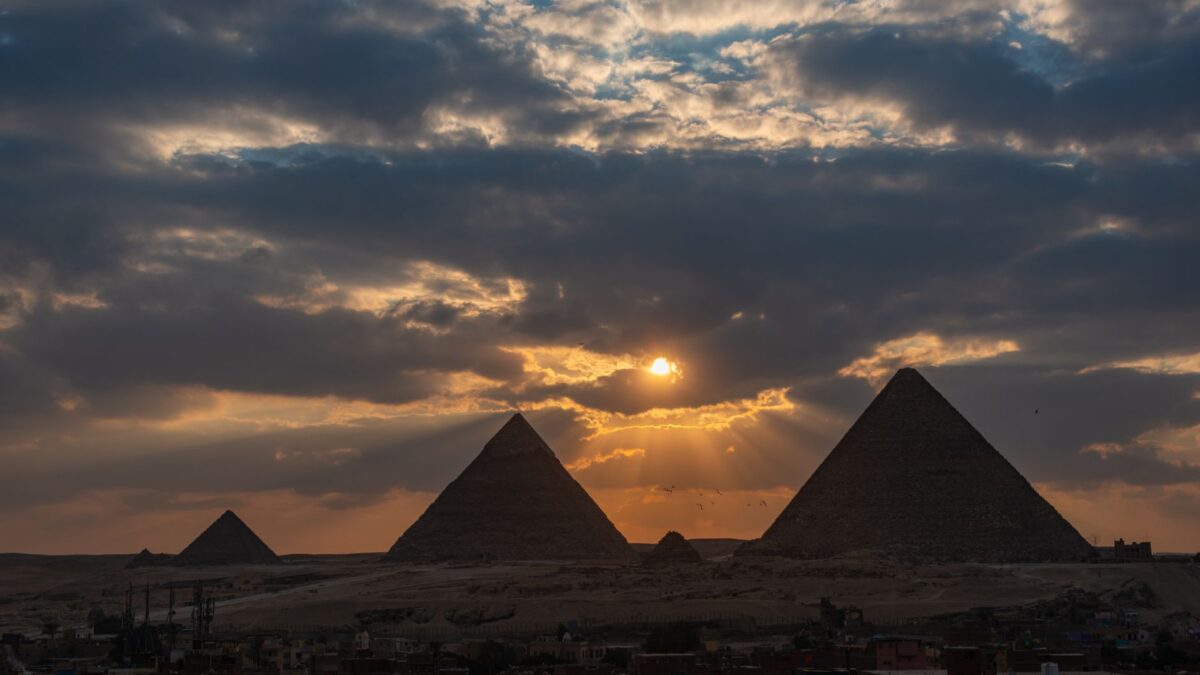
It is late September, and Cairo has finally exhaled. The city’s long summer heat is softening into a pleasant 22–32°C, with light clouds drifting over the Nile. As the university year kicks off around September 19th and schools return to routine, the capital shifts from a stagnant summer pause into a vibrant autumn rhythm. You are arriving just in time. While tech crowds gather for events like the Techne Summit at Ghurnata Palace or DevOpsDays at Creativa in Giza, you can focus on what truly matters: navigating one of the world’s most ancient and chaotic cities without losing your mind.
When to Go and How Long to Stay
September through November is arguably the sweet spot for first-timers. The scorching July and August sun gives way to evenings where you can actually sit outside. However, be mindful of local rhythms. Around October 6th, the country observes Armed Forces Day (عيد القوات المسلحة), a major national holiday that means many government offices close and streets may feel different than usual. Plan your site visits accordingly.
For duration, two weeks is the ideal baseline. This allows four days in Cairo to absorb the colonial architecture of Zamalek, the medieval spice markets of Khan el-Khalili, and the sheer scale of the Giza Pyramids & Great Sphinx. From there, you can fly south to Luxor for three days of temples, spend a few days in Aswan, and perhaps take a red sea break in Hurghada or Sharm El-Sheikh before heading home. If you are only visiting Cairo, give yourself five to seven days to avoid museum fatigue.
Getting Around Without Losing Your Mind
Cairo traffic is legendary for good reason. Navigating it requires strategy rather than brute force. For short hops within the city, the Cairo Metro is your best friend. It is clean, safe, and efficient. Following recent extensions for the new school year, trains now run from 05:15 until 01:00. A single ticket costs about 8 EGP for short distances up to 20 EGP for longer journeys across the twenty-three stations. Remember to use the women-only cars if you prefer a quieter commute, especially during peak hours.
For door-to-door convenience, download Uber or Careem immediately. Street-hailing white-cab taxis exist, but meter usage can be inconsistent. A typical short ride downtown might set you back 50–100 EGP. Public buses are incredibly cheap—around 12 EGP for regular service—but they are often crowded and confusing for newcomers. Stick to ride-hailing apps after dark for safety and price transparency.
If you plan to venture further out, consider the new LRT or East Nile Monorail lines, which have extended their operating hours to accommodate the commuter rush. Keep an eye on road conditions; recently, accidents on routes like the Tourist Road near Hadayek El-Ahram highlight the need for cautious driving if you choose to rent a car.
The Money Matters: Costs and Banking
Understanding the financial landscape is crucial. Egypt’s currency, the Egyptian Pound (EGP), has seen significant fluctuation, currently hovering around 45–50 EGP per US dollar. Inflation sits at roughly 14.1%, meaning prices shift frequently. Always ask for the price before ordering, and expect tourist-site entry fees to be significantly higher than local rates—roughly ten times more at museums.
Dining out doesn’t have to break the bank. Street food is affordable and delicious. A plate of koshari, the national dish of rice, lentils, pasta, and chickpeas, runs about 25–40 EGP ($0.7). Ful medames with baladi bread and tea for breakfast is around 15–30 EGP. Even a meal at the bustling El Hussein night market or Khan el-Khalili street-food area will cost you 50–150 EGP ($2.2) for a filling local feast. Coffee at a local ahwa is roughly 30 EGP, while a beer at a tourist bar might climb higher.
If you are staying longer, opening a bank account is easier now. Central Bank regulations allow non-residents to open accounts with major banks like CIB, HSBC Egypt, QNB Alahli, National Bank of Egypt, Banque Misr, or Banque du Caire. You will need your passport, valid visa, proof of address, and source of funds. Once linked to an Egyptian mobile number, you can use InstaPay for instant transfers.
Essentials: Visas, SIMs, and Safety
Visa logistics changed recently. As of August 1, 2026, Cairo International Airport transitioned to a digital visa-on-arrival. You receive a QR code instead of a paper sticker for $36 ($30 visa + $6 issuance). Payment is card-only via official kiosks or the app. Paper windows still operate during the pilot phase but require cash USD. Ensure your passport is valid for six months beyond your arrival date. If you stay longer than thirty days, you must apply for a residence permit (iqama) through Maslahat al-Jawazat before your visa expires to avoid daily fines.
Connectivity is straightforward. Register a prepaid SIM with Vodafone Egypt, Orange Egypt, or e& Egypt (formerly Etisalat) at the airport or authorized shops. Bring your passport; unregistered lines are cut off. Having data is essential for navigation and ride-hailing.
Safety-wise, Cairo is generally safe and heavily policed. Petty theft and harassment can occur in crowded areas like Tahrir Square or the metro during rush hour. Use common sense: keep valuables hidden, avoid political demonstrations, and use ride-hailing services at night. Women travelers should utilize the designated women-only metro cars and be aware of their surroundings in busy souqs.
Where to Base Yourself
Your neighborhood choice dictates your experience. Zamalek, the leafy island district on Gezira, offers embassies, art galleries, and walkable streets—a perfect expat-friendly base. Maadi, to the south, is tree-lined and quiet, ideal for families or those seeking a suburban feel with access to Wadi Degla protectorate. Heliopolis (Masr el-Gedida) boasts grand Art Deco villas and is close to the airport. Downtown (Wust el-Balad) puts you in the historic heart near Tahrir Square, while New Cairo offers modern gated compounds, albeit with heavy traffic dependence.
Egypt is intense, beautiful, and unforgettable. Come prepared, respect the local pace, and let the chaos wash over you. You will find that beneath the noise lies a civilization that has welcomed travelers for millennia.
Frequently asked questions
How much does a single metro ticket cost in Cairo?
A single journey ticket costs approximately 8 EGP for 1-9 stations and up to 20 EGP for longer rides covering 23+ stations.
What is the current visa process for arrivals at Cairo Airport?
As of August 2026, visitors receive a digital visa-on-arrival QR code for $36 using card payment at kiosks, replacing the old paper sticker system.
Is street food safe and affordable in Egypt?
Yes, street food is very affordable and popular; a plate of koshari costs about 25-40 EGP, and ful medames is around 15-30 EGP.
How can I open a bank account in Egypt as a tourist?
You can open accounts at banks like CIB, HSBC Egypt, or NBE by presenting your passport, valid visa, proof of address, and source of funds.
What are the best neighborhoods to stay in Cairo for first-timers?
Zamalek offers a walkable, diplomatic vibe with cafes, while Maadi provides a quieter, suburban expat community with easy nature access.
Things to do in Egypt
 Full Day Private Luxor East & West Bank Tour With Egyptian Lunch
 Giza Pyramids, the Grand Egyptian museum " GEM "
 Likely to sell out
2 hrs Unique Pyramids Photoshoot ( Photo session )
Likely to sell out
2 hrs Unique Pyramids Photoshoot ( Photo session )
 Luxor Day Tour from Hurghada
 Private VIP Tour : Giza Pyramids, Sphinx & Grand Egyptian Museum
 Cairo Street Food with a Local Family