

A first-timer’s guide to Fiji
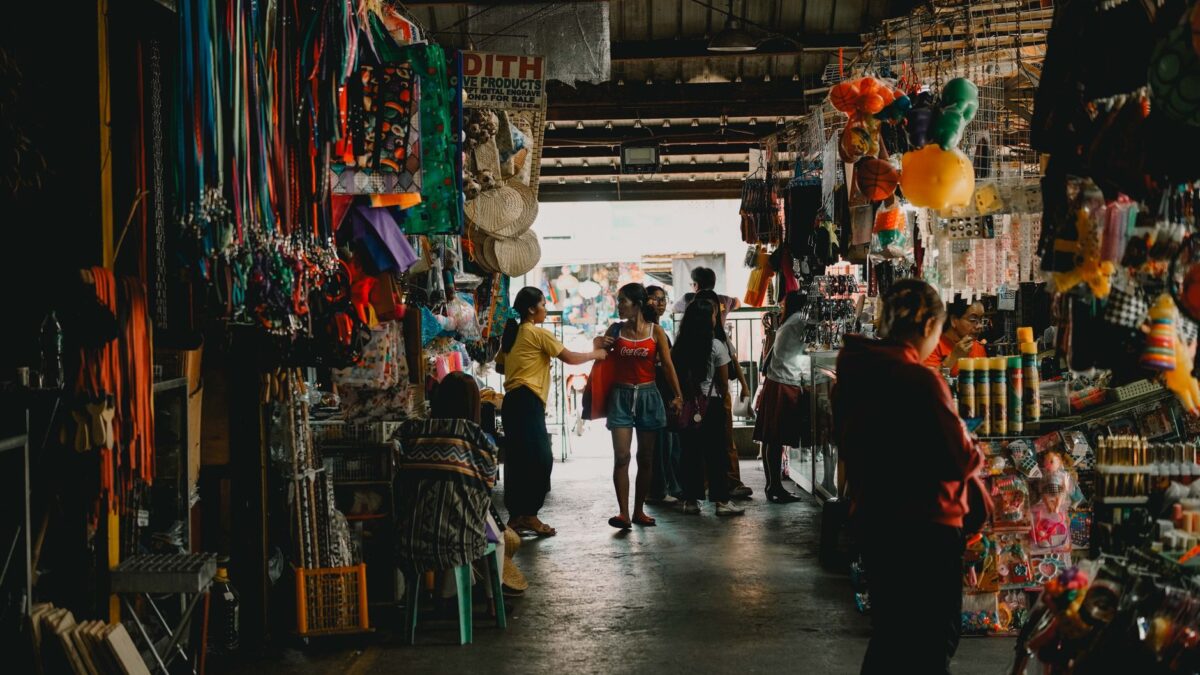
The air in Suva has a weight to it, a humid embrace that tells you the dry season is winding down and cyclone season is just around the corner. It is late October, and the sky over the hills is already building those towering clouds that promise afternoon showers. You are standing on the edge of the Pacific, in a capital city that feels less like a tourist trap and more like a living, breathing heart of the islands. If you have just arrived on your Visitor Permit, or if you are planning your first trip to Fiji, forget the resort bubble for a moment. The real magic—and the practical realities—of Fiji lie here, in the streets, the markets, and the quiet moments between the raindrops.
When to Go: Navigating the Muggy Build-Up
If you are visiting now, in late October, you are stepping into a transitional window. This is the end of the dry season, meaning the humidity is rising, and the afternoons can get sticky and warm. However, it is also when the local produce starts to shine; keep an eye out for mangoes and breadfruit appearing in the market stalls. Just be aware that November 1st officially marks the start of cyclone season. Locals are already checking their gutters and emergency kits, so while the weather is generally pleasant, flexibility is key.
For most travelers, the peak dry season from May to October offers the crispest air and clearest skies, but visiting during these shoulder months gives you a chance to see the country without the highest density of tourists. If you are here now, expect light drizzle and temperatures hovering between 20–25°C. It is not cold, but it is refreshing if you have been sweating through the midday heat.
Getting Around: Buses, Vans, and Cash-Free Cards
Suva is walkable in the central business district, especially if you are exploring the waterfront near the Suva Municipal Market or wandering through Thurston Gardens. But to go further, you need to understand the transport system. The backbone of local travel is the bus network. The main hub is the Suva Bus Stand, located right next to the Municipal Market. From here, buses radiate out to the suburbs and beyond.
A crucial tip for first-timers: cash is no longer the primary method for paying fares. Urban buses have moved to a cash-free e-ticketing system using operator-issued top-up cards. Do not wait until you are at the stop to figure this out; sort out your transit card early at a kiosk or vendor. A single local bus fare on Stage 1 is roughly FJ$1.02, though fares can vary by distance. For shorter hops or areas buses don’t reach, mini-vans and taxis fill the gaps. Taxis are convenient but significantly more expensive than the bus system.
If you plan to venture outside Suva, such as to the beaches of Lami Bay or the forest park, consider renting a car or hiring a driver. Public long-distance transport can be infrequent once you leave the capital’s immediate orbit.
Money Matters: Costs, Banking, and Value
You will pay in Fijian dollars (FJD). As of recent data, one US dollar buys approximately FJ$2.268. While inflation has been slightly negative recently, making goods relatively stable, prices in tourist-heavy areas can spike. In Suva, however, you can find good value if you eat and shop where locals do.
Accommodation: If you are staying in the city center, budget around FJ$150–320 per night for a comfortable mid-range hotel or guesthouse. Places like the Grand Pacific Hotel offer heritage charm, while options like Toorak Central provide more modern, budget-friendly stays. For longer stays, monthly rents for a modest one-bedroom flat outside the center average around FJ$733, though city-center apartments can cost nearly FJ$2,000.
Food: A meal at a mid-range restaurant typically costs about FJ$33 (roughly US$15). To save money and eat better, head to the Suva Municipal Market or local eateries in districts like Toorak. Here, you can enjoy Indo-Fijian staples like roti and curry, or fresh seafood like kokoda (raw fish cured in lime and coconut cream) for a fraction of the price. Avoid imported goods if you want to stretch your budget; locally sourced food is affordable and delicious.
Banking: If you need to access cash or open an account, major banks include Westpac, ANZ, Bank South Pacific (BSP), and HFC Bank. Note that opening a bank account requires a Tax Identification Number (TIN) from the Fiji Revenue and Customs Service, along with proof of address and funds. Non-residents face stricter requirements, so check with the specific branch before arriving.
Essentials: SIM Cards, Visas, and Safety
Connectivity: Mobile coverage is reliable in urban areas. The two dominant networks are Vodafone Fiji and Digicel Fiji. Tourist prepaid SIMs are available at Nadi Airport upon arrival or at outlets in Suva. You will need your passport for registration. Confirm current top-up options and data packages in-store, as rates change frequently.
Visas: Citizens of visa-exempt countries (including the US, UK, Australia, Canada, and EU nations) receive a Visitor Permit on arrival at Nadi, Suva’s Nausori Airport, or major seaports. This permit allows you to stay for up to four months and can be extended by two months at a Fiji Immigration office. Ensure your passport is valid for six months beyond your arrival date, and carry proof of onward travel and sufficient funds.
Safety: Suva is generally safe during the day, but it is less relaxed than Fiji’s resort islands. Petty crime exists, particularly in poorer areas. Stick to well-lit, central areas and avoid walking alone at night. Be mindful of your belongings in crowded places like the market. Also, respect immigration rules strictly; overstaying your permit can lead to fines, detention, and a re-entry ban.
First-Timer Tips: What We Wish We Knew
Embrace the Rain: Don’t let the forecasted drizzle ruin your plans. Afternoon showers are brief and often followed by clear skies. Carry a lightweight rain jacket and use the time to explore indoor attractions like the Fiji Museum in Thurston Gardens, which houses the world’s most extensive collection of Fijian artifacts.
Dress for Respect: Fiji is a conservative society, especially in rural areas and villages. When visiting churches, temples, or traditional communities, cover your shoulders and knees. In Suva, casual wear is acceptable, but modesty is appreciated.
Try Yaqona: No visit is complete without trying kava (yaqona). It is served in kava saloons, often in historic buildings. The drink induces a numbing sensation in the mouth and a state of relaxation. It is a social ritual, so sit with others, accept the cup respectfully, and say “bula” or “vinaka.” It is non-intoxicating in the alcoholic sense but deeply cultural.
Explore Beyond CBD: While the city center is vibrant, take time to wander through diverse neighborhoods. Visit Samabula to see the mix of mosques and Hindu temples, or head to Raiwaqa to see the iconic ‘Four Storey’ flats that define working-class Suva. Each district tells a different story of Fiji’s multicultural history.
Stay Flexible: Plans may change due to weather, local events, or transport delays. Embrace the “Fiji Time” mentality—it is not laziness, but a cultural prioritization of people and relationships over rigid schedules. Use this flexibility to connect with locals, who are genuinely welcoming and eager to share their stories.
Fiji is not just a destination; it is a feeling. Whether you are sipping coffee at The Coffee Hub in Suva, hiking the trails of Colo-i-Suva Forest Park, or watching the sunset from Apted Park at Suva Point, you are part of a rhythm that has existed long before you arrived. Take your time, listen closely, and let the islands guide you.
Frequently asked questions
How much does a meal cost in Fiji?
A meal at a mid-range restaurant typically costs around FJ$33 (approximately US$15). Local street food and market stalls offer cheaper alternatives.
Do I need a visa to visit Fiji?
Citizens of visa-exempt countries (US, UK, Australia, Canada, EU) receive a Visitor Permit on arrival, valid for up to 4 months. Passport validity must exceed 6 months.
How do I pay for buses in Suva?
Suva buses use a cash-free e-ticketing system. You must purchase and top-up an operator-issued transit card at kiosks or vendors before boarding.
What is the best time to visit Fiji?
The dry season from May to October offers the best weather. Late October sees rising humidity and the start of cyclone season, but lush produce is available.
Is Suva safe for tourists?
Suva is generally safe during the day in central areas. Avoid walking alone at night and be vigilant against petty crime in crowded or less affluent neighborhoods.
Things to do in Fiji
 Private Arrival Transfer - Nadi Airport to Hotel
 Extreme 12000ft Tandem Jump (45 seconds free fall)
 CFC Approved Private Arrival Transfer - Nadi Airport to Maui Bay Properties
 Special offer
Coral Coast, Fiji - Airport to hotels. Transfer
 CFC Approved - Private Arrival Transfer Nadi Airport to Doubletree Resort
CFC Approved Private Arrival Transfer - Nadi Airport to Outrigger & Bedarra Inn