

A first-timer’s guide to Georgia
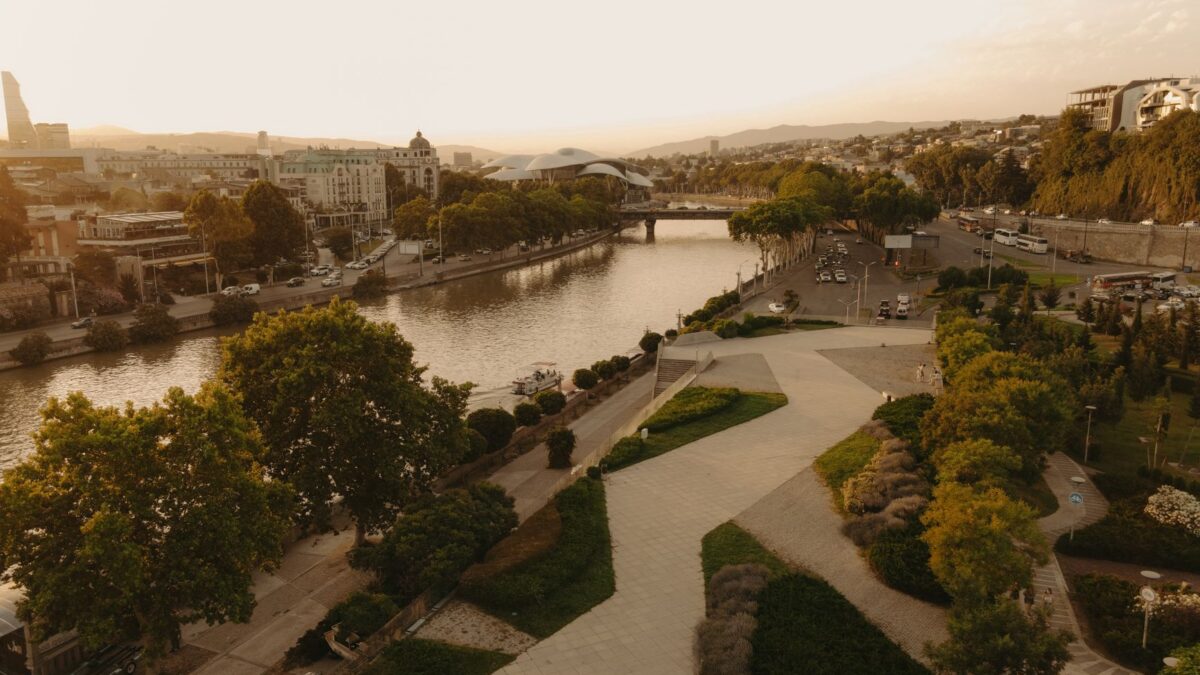
You step off the plane in Tbilisi and the air hits you differently. It’s thick with the scent of roasting chestnuts, wet stone, and the faint, sulfurous whisper of the hot springs that gave this city its name—tbili, meaning ‘warm.’ As Nino, I’ve watched this capital transform from a Soviet backwater into one of Europe’s most magnetic hubs, yet it retains a chaotic, soulful warmth that no other place can mimic. But for a first-timer, Georgia can feel like a beautiful puzzle missing a few pieces. Let me hand you the map.
The Sweet Spot: When to Go
Georgia is a year-round destination, but timing changes everything. If you are reading this in early autumn, you have stumbled upon the magic month. September offers the last lingering stretch of summer heat—currently hovering around 15–24°C—before the crisp mountain air sets in. This is Rtveli, the grape harvest season. The streets fill with the purple stain of crushed grapes, and you will see churchkhela (candle-shaped nut snacks) and young kvevri wine appearing in every market corner. It is sensory overload in the best way possible.
Summer (July-August) is intensely hot, especially in Tbilisi, where temperatures can soar above 30°C. Winter is charming if you head to Gudauri for skiing, but Tbilisi itself can be gray and damp. Spring brings blossoms, but the mud season in rural areas can be tricky. For your first trip, aim for May-June or September-October. You get comfortable weather, fewer crowds than peak summer, and the local rhythm feels alive.
How Long and Where to Stay
I recommend at least seven to ten days. This gives you three days to lose yourself in Tbilisi and four to five to venture into the regions. Do not rush the road to Kazbegi; the views of Mount Kazbek are worth every winding kilometer.
When booking accommodation in Tbilisi, location dictates experience. If you want history, stay in the Old Town (Kala). You will sleep under the shadow of Narikala Fortress, surrounded by sulfur-bath domes and carved wooden balconies. It is picturesque but can be noisy and expensive. For a more bohemian vibe, look at Chugureti near the Fabrika creative complex. It is gritty, artistic, and home to the Dezerter Bazaar food market, where you can eat like a local for pennies.
For a balance of cool cafes and residential quiet, Vera is my personal favorite. Walk down Melikishvili Street, pop into Wine Factory N1, and enjoy the design hotels like Stamba. If you prefer leafy avenues and embassies, Vake is upscale and family-friendly, centered around Turtle Lake. A modest one-bedroom flat outside the center might cost you around 1,200 GEL a month, so short-term stays will reflect that premium, but long-term rentals remain incredibly affordable compared to Western Europe.
Getting Around and Money Matters
Forget renting a car for the city. Tbilisi traffic is legendary, and parking is a nightmare. Instead, embrace the metro. It is clean, safe, and costs about 1 GEL per ride. Buy a MetroMoney card for a 2 GEL deposit, and you get free transfers within 90 minutes across buses, minibuses, and the metro. Contactless foreign bank cards also work directly at turnstiles, though they may charge a slightly higher fee of around 1.5 GEL. For airport transfers, bus 337 runs frequently from the terminal to the city center for a pittance.
For taxis, download Bolt. It is reliable, cheap, and transparent. A short ride across the center might cost you between 4 and 7 GEL. Always check the price before confirming. Cash is still king in small markets and rural guesthouses, but cards are accepted almost everywhere in Tbilisi. The currency is the Georgian Lari (GEL). While inflation has ticked up, Georgia remains one of the cheapest capitals in Europe. A khinkali (steamed dumpling) at a local dukani costs roughly 1.5–2.5 GEL each. Five of them make a satisfying snack for under 10 GEL. An Adjarian khachapuri (cheese bread boat) in a restaurant runs about 9–18 GEL. You can live well on very little here.
Essentials First-Timers Miss
There are a few bureaucratic and cultural nuances that catch visitors off guard. First, the visa situation is incredibly generous. Citizens of nearly 95 countries, including the US, UK, and EU nations, can enter visa-free for 365 days. However, since January 2026, you must carry travel or health insurance that covers your stay. Border control may ask to see it, so keep a digital copy handy. Your passport must be valid for at least six months beyond your entry date.
Second, connectivity. You need a local SIM number to open a bank account or use many apps. Upon arrival, grab a prepaid SIM from MagtiCom, Silknet, or Beeline at the airport. It costs about 5–10 GEL with photo ID. MagtiCom and Silknet have English-speaking staff and tourist packages. With that number, you can open an account at TBC Bank or Bank of Georgia using just your passport—no residence permit required. These banks have excellent apps that translate well into English.
Third, be aware of the political climate. Georgia is pro-European, but tensions exist. Since late 2024, there have been recurring protest rallies outside the parliament on Rustaveli Avenue. While these are generally peaceful expressions of civic engagement, they can close the avenue and draw large crowds. Avoid the area during evening demonstrations. Also, note that Rustaveli Avenue itself is undergoing major reconstruction until late November, replacing underground utilities and repaving roads, so expect detours.
Finally, learn the dining etiquette. The supra (feast) is central to Georgian culture. If invited to one, follow the tamada (toastmaster). Do not drink without a toast. And when eating khinkali, hold them by the dough knob, take a small bite to sip the broth, and then eat the rest. Sucking on the knob is considered rude! At restaurants, sharing is the norm. Order a spread of lobiani (bean bread), cheese, and grilled meats. A mid-range dinner with shared dishes might cost 25–50 GEL per person, which is a steal for the quality.
Georgia is not just a destination; it is an immersion. From the UNESCO-listed polyphonic singing echoing in old cellars to the ancient hominid skulls at the National Museum, every corner tells a story. Come for the wine, stay for the people, and leave with a heart full of warmth—just like the springs that built this city.
Frequently asked questions
Do I need a visa to visit Georgia as a tourist?
Citizens of approximately 95 countries, including the US, UK, and EU members, can enter visa-free for up to 365 days. However, since January 2026, you must carry valid travel or health insurance covering your stay.
What is the best way to get around Tbilisi?
Use the metro or Bolt taxis. The metro costs about 1 GEL per ride with a MetroMoney card and allows free transfers within 90 minutes. Bolt is the preferred app for taxis, with short rides typically costing 4–7 GEL.
Is Georgia expensive for tourists?
No, Georgia is one of Europe's cheapest capitals. A local meal like khinkali costs around 1.5–2.5 GEL each, and a mid-range dinner with shared dishes is about 25–50 GEL per person. Coffee is roughly 7–9 GEL.
How do I open a bank account in Georgia?
You can open an account at TBC Bank or Bank of Georgia with just your passport and a local phone number. You do not need a residence permit, though you should bring proof of a local address.
Are there any safety concerns or protests to avoid?
Tbilisi is very safe with low violent crime. However, avoid the Parliament area on Rustaveli Avenue during evening protests, which occur regularly. Also, be cautious of overcharging on pedestrianized Aghmashenebeli Avenue.


