

A first-timer’s guide to Guatemala
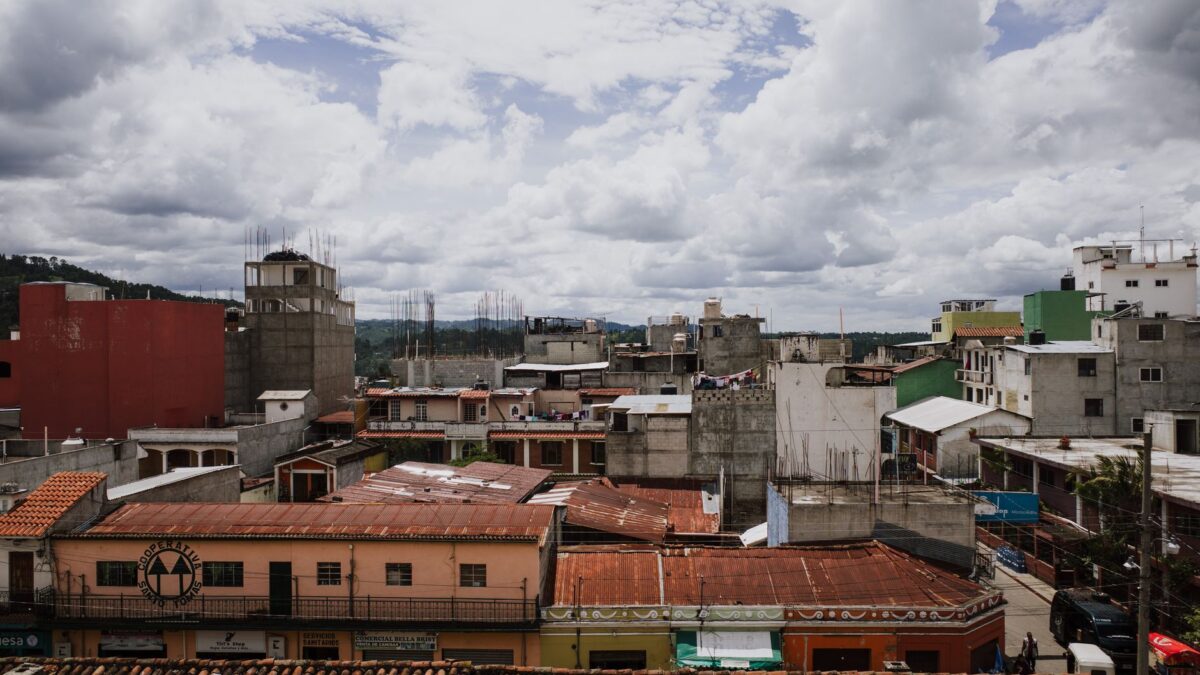
The air in Guatemala City is thick, carrying the scent of wet earth and diesel exhaust—a sensory cocktail that hits you the moment you step off the plane. It is late September, the tail end of the rainy season, and the sky is a bruised purple, threatening the kind of sudden, heavy downpours that turn Avenida La Reforma into a river within minutes. I watch tourists huddle under awnings near Parque Central, clutching their maps, looking for an exit. But there is no need to flee. This city, ringed by volcanoes and pulsing with a complex, defiant energy, is not just a transit hub; it is a destination in its own right. If you are arriving as a first-timer, here is how to navigate the capital without losing your mind—or your wallet.
When to Visit and How Long to Stay
Guatemala’s highlands offer a mild climate year-round, but timing matters. Late September, like now, means muggy days and dramatic afternoon thunderstorms. The rain usually comes fast and hard, clearing the dust and cooling the streets, but you must plan accordingly. If you prefer dry weather, aim for the winter months (November to April), though this is also peak tourist season. For a balance of good weather and lower crowds, spring is ideal.
How long should you stay? Most visitors treat Guatemala City as a layover before heading to Antigua or Lake Atitlán, spending only one night. However, if you have four to five days, you will discover a city with layers. You can explore the historic Zona 1 during the day, dive into the creative scenes of Zona 4, and experience the nightlife of Zona Viva without feeling rushed. Give yourself enough time to understand that this city is alive, loud, and deeply cultural, far beyond its reputation as merely a gateway.
Getting Around: The Zone System
Understanding the “Zona” system is the single most important survival skill in Guatemala City. The city is divided into numbered zones, and safety varies drastically between them. As a visitor, you will likely spend most of your time in Zonas 10 (Zona Viva), 14, and 15, which are safer, more polished, and home to most international hotels and restaurants. Zona 16/Ciudad Cayalá is a modern, gated master-planned district that feels like a bubble of order—popular with expats and those seeking a quiet, walkable environment.
For public transit, the Transmetro BRT is efficient and cheap. A ride costs about Q1–2 using the Tarjeta Ciudadana, which you can buy for Q20 at stations. However, most first-timers find Uber far less stressful. It is reliable, tracked, and avoids the language barrier of negotiating with bus drivers. If you do take authorized urban buses, be aware that fares were recently capped at Q6–7 due to fuel price fluctuations, so keep small change handy. Avoid walking in Zonas 1, 3, 6, 18, and 21 after dark. The historic Centro Histórico in Zona 1 is beautiful by day—with the Palacio Nacional de la Cultura and Mercado Central—but it becomes risky at night.
Money, Food, and Daily Costs
The currency is the Quetzal (GTQ). One US dollar buys roughly Q7.75, making Guatemala very affordable compared to North America or Europe. Your money goes far here. A modest set lunch (almuerzo) at a local comedor—a soup, main course, and drink—costs about Q25–40 ($4). You can grab a cup of coffee, whether a cappuccino in a trendy café or a strong local brew, for around Q15–25 ($2.60).
Street food is where the real magic happens. Try a shuco, the iconic grilled street hot dog found on Sixth Avenue in Zona 1, for Q15–25. Tamales and chuchitos (steamed corn tamales) are perfect snacks at Q5–15 each. For dinner, a mid-range restaurant meal for two might run Q382 ($50 total), which is a steal by global standards. Renting a modest one-bedroom flat outside the center costs around Q3,250–4,200 monthly ($480), showing just how cheap daily living can be if you stay longer.
Cash is king for small vendors, but cards are accepted everywhere else. ATMs are widely available, but use those inside banks or malls to avoid skimming. Always carry your ID; it is common practice to show identification at bars and clubs.
Essentials: SIM Cards, Safety, and Entry
Upon landing at La Aurora Airport, pick up a prepaid SIM from Tigo or Claro. You will need your passport to register. Data plans start around $10/month, and initial card costs are about $3–5. Having data is non-negotiable for Uber, translation apps, and navigating.
Safety requires awareness, not fear. Stick to well-lit areas, don’t flash expensive phones, and use Uber rather than hailing random cabs on the street. The tourist police (PROATUR) hotline is 1500. Most Western passport holders enter visa-free for up to 90 days under the CA-4 agreement, but remember: this clock is shared with Honduras, El Salvador, and Nicaragua. Leaving the region resets it; crossing to Mexico does not. Ensure you file the free electronic travel declaration (DVE) online before arrival.
Culture, Arts, and What First-Timers Miss
First-timers often rush out to the ruins, missing the vibrant culture right here. In September, the city buzzes with Independence-month fervor. Look out for marimba music and convite folkloric events. If you are here late in the month, check for the Encuentro de Conviteros parade moving down Sexta Avenida toward the Plaza de la Constitución.
Art lovers should visit the Museo Ixchel del Traje Indígena in Zona 10 to see stunning Maya textiles, or the Museo Nacional de Arqueología y Etnología (MUNAE) in Zona 13 for original artifacts from Tikal. For something contemporary, check if ‘Criptoarte: territorios Latentes’ is still open at Fundación Paiz in Zona 5—it showcases digital art from across Latin America.
Finally, eat like a local. Skip the hotel buffet. Go to Black Sheep Kaffee in Zona 4 for excellent coffee and coworking vibes, or try Restaurante El Adobe in Zona 1 for colonial-era dishes. The city is a mix of ancient history and modern struggle, resilient and warm. Don’t just pass through; listen to it. The quetzal may live in the cloud forests north, but the soul of Guatemala beats loudly in these streets.
Frequently asked questions
Is Guatemala City safe for tourists?
Safety is zone-dependent. Stick to Zonas 10, 14, 15, and 16/Ciudad Cayalá, especially at night. Avoid walking in Zonas 1, 3, 6, 18, and 21 after dark. Use Uber instead of street taxis, and always carry your ID.
What is the best way to get around Guatemala City?
Uber is the most convenient and reliable option for visitors. For public transit, use the Transmetro BRT with a Tarjeta Ciudadana (Q20 for the card, Q1–2 per ride). Authorized urban buses cost Q6–7.
How much does food cost in Guatemala City?
Food is very affordable. A local almuerzo costs Q25–40 ($4). Street snacks like tamales are Q5–15. A mid-range dinner for two is around Q382 ($50). Coffee ranges from Q15–25.
Do I need a visa to enter Guatemala?
Most Western passport holders (US, Canada, UK, EU, Australia) enter visa-free for up to 90 days under the CA-4 agreement. You must file the free electronic DVE declaration online before arrival.
Where should I stay in Guatemala City?
For safety and convenience, choose Zonas 10 (Zona Viva) for nightlife, Zona 14 for quiet residential areas, or Zona 16/Ciudad Cayalá for a modern, walkable, gated community.
Things to do in Guatemala
 Guatemalan Cooking Class & Market Tour
 Coffee Tour Adventure Antigua Guatemala
 Private Ground Transfer From Antigua To Guatemala City Airport
 Antigua Coffee Tour by Local Producers
 Experience: Organic Coffee, Avocados, Honey & More!
 Tikal Full Day with Dedicated Exploration of the Archaeological Monuments.