

A first-timer’s guide to Hungary
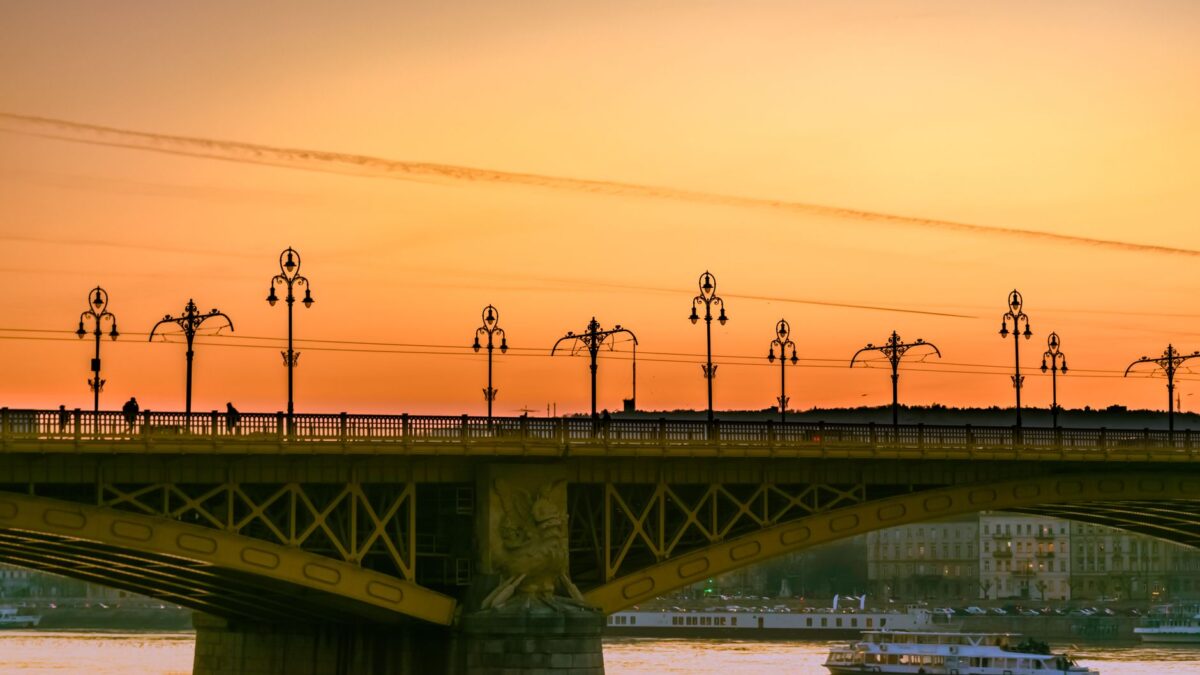
You step off the tram at Deák Ferenc tér and the first thing that hits you isn’t the architecture, but the rhythm. Budapest moves with a specific cadence—a blend of imperial grandeur and gritty, unpretentious energy. As the host of the Hungary show on Paris2Tokyo, I’ve walked these cobblestones for years, from the quiet hills of District II to the electric pulse of the Jewish Quarter. This guide cuts through the brochure gloss to give you the practical essentials for your first trip.
When to Go and How Long to Stay
The weather in Budapest shifts dramatically between seasons, but spring and early autumn offer the sweet spot. If you visit in late September, like today, expect temperatures around 15–24°C with clear skies and long daylight hours (roughly 06:39 to 18:27). It is perfect for walking without the oppressive heat of July or the grey slush of January.
For duration, five days is the magic number. It allows two days for the Buda side’s hilltop history, two for Pest’s cultural heartbeat, and one day for a thermal soak or a trip to Lake Balaton. If you are short on time, three days will cover the absolute highlights, but you will miss the slower pace that makes Hungarian hospitality so special.
Navigating the City: Transit and Safety
Budapest has one of Europe’s most efficient public transport systems, operated by BKK. Do not rely on hailing taxis from the street; it is a tourist trap waiting to happen. Instead, download the BudapestGO app. You can buy digital tickets directly, which you validate by scanning a QR code upon boarding. A single ticket costs about 500 HUF (roughly $1.4), while a monthly resident pass is frozen at 8,950 HUF (about $24)—a bargain if you stay longer than a week.
Safety is generally high, but pickpockets thrive in crowds near the Parliament Building, Váci utca, and the metro lines. Keep your phone charged; your digital ticket lives on it. For rideshares, use Bolt or licensed Főtaxi. The airport express bus 100E requires a separate ticket of roughly 2,500 HUF, distinct from the standard transit passes.
Where to Stay: Districts Decoded
Your choice of district defines your experience. District V – Belváros & Lipótváros is the postcard center. Here, you are steps from the Hungarian Parliament Building and St. Stephen’s Basilica. It is walkable and central, but also the priciest and most tourist-glossed area. For a more local vibe, consider District XIII – Újlipótváros. With its tree-lined streets, 1930s Bauhaus blocks, and proximity to Lehel market, it is a favorite among expats and families. If nightlife is your priority, District VII – Erzsévetváros, the Jewish Quarter, is the engine room. Home to Szimpla Kert and the Kazinczy utca bar strip, it is loud, fun, and central, though you will want earplugs.
On the Buda side, District I – Várkerület offers UNESCO-listed cobbled lanes and panoramic views from Fisherman’s Bastion, but it sleeps early. For greenery and prestige, look at District II – Rózsadomb, where villas and embassies nestle near forest trails and the Normafa recreation area.
Eating, Drinking, and Spending
Hungary uses the forint (HUF). While prices have climbed—rents rose 15–20% since 2023—the cost of living remains far lower than Western Europe. A modest coffee at a café like New York Café or Mantra Specialty Coffee runs about 1,000 HUF ($2.7). For lunch, hunt down the ‘napi menü’ (daily menu) at local spots like Hungarikum Bisztró or Gettó Gulyás. These weekday sets often include soup and a main course for just 2,500–3,500 HUF ($8).
Street food is essential. Grab a lángos (deep-fried dough with sour cream and cheese) from a stall for 800–1,500 HUF ($3), or try kürtőskalács (chimney cake) for around 1,000–2,500 HUF ($5). For dinner, a mid-range restaurant meal for two might cost 15,000–22,000 HUF ($50). Don’t leave without trying goulash soup (gulyásleves) at Mazel Tov or Hell’s Kitchen, typically priced between 2,000–3,500 HUF ($8).
Essential First-Timer Tips
Thermal Baths: Book ahead for Széchenyi or Gellért Baths. Expect to pay ~5,000–6,000 HUF ($15) for entry. Bring a swimsuit and towel; they are not always provided cheaply. Currency: Always pay in forints. If a card terminal asks if you want to charge in euros, decline. History: Visit the House of Terror on Andrássy út to understand the 20th-century dictatorships that shaped modern Hungary. Visa: Most US, UK, and Canadian visitors enter visa-free for up to 90 days under Schengen rules. No registration is needed for short tourism stays.
Budapest rewards those who look beyond the Danube promenade. Whether you are sipping Unicum liqueur in a ruin bar or running along Margaret Island, the city reveals itself slowly. Come prepared, respect the local rhythms, and you will find yourself returning sooner than you think.
Frequently asked questions
How much does a single public transport ticket cost in Budapest?
A single pre-purchased ticket for bus, metro, or tram costs about 500 HUF (roughly $1.4). You can buy and validate these via the BudapestGO app.
What is the best district for nightlife in Budapest?
District VII – Erzsébetváros, known as the Jewish Quarter, is the nightlife hub. It features famous ruin bars like Szimpla Kert and the lively Kazinczy utca strip.
Do I need a visa to visit Budapest for tourism?
Most non-EU visitors from the US, UK, Canada, and Australia do not need a visa for stays up to 90 days within any 180-day period due to Schengen agreements.
What is the best value meal to try in Budapest?
Look for the 'napi menü' (weekday lunch set) at local eateries. These 2-course meals typically cost between 2,500–3,500 HUF ($8) and offer authentic home-style cooking.
Is Budapest safe for tourists?
Budapest is generally very safe. However, guard against pickpocketing in crowded tourist areas like Deák Ferenc tér and District VII. Use licensed apps like Bolt instead of street taxis.
Things to do in Hungary
 3 Hours Budapest Segway Grand City Tour Buda, Margaret and Pest
 1 Hour Budapest Segway Tour - Parliament Hightails
 Private Sightseeing Tour using Electric Tuk Tuk Ride in Budapest
 Shooting Experience HOLLYWOOD Package in Budapest
 Budapest private sightseeing with Nelli & her local guides
 Likely to sell out
Hungarian Strudel Making Class: Stretch & Fill Two Ways
Likely to sell out
Hungarian Strudel Making Class: Stretch & Fill Two Ways