

A first-timer’s guide to Indonesia
You step out of Soekarno-Hatta Airport and the heat hits you like a physical weight. It is November, the pivot point where Jakarta’s dry haze gives way to the heavy, humid breath of the approaching wet season. The air feels thick—around 35°C with a humidity that makes it feel closer to 39°C—and you are immediately aware of the noise, the traffic, and the sheer scale of this 8.5 million-strong city. This is not the Indonesia of postcards; it is a living, breathing, chaotic engine. But beneath the gridlock and the monsoon clouds lies a rhythm that, once you learn it, becomes irresistible. If you are planning your first trip here, forget the generic advice. Here is how you actually survive and thrive in the capital.
When to Visit and How Long to Stay
There is no single “best” time, but there is a right time for your tolerance levels. The dry season (May to September) offers clearer skies, though mornings can be hazy and hot. The wet season (October to April) brings dramatic afternoon downpours. Right now, as we head into late November, you are looking at the transition: mornings are still warm, but expect sudden, heavy showers that briefly pond on the roads before draining away. If you visit between October and February, watch the tide charts. Coastal flooding, or banjir rob, is common when high tides coincide with the new moon, particularly in areas like Pluit, Penjaringan, and Ancol. These floods can strand you for hours, so plan accordingly.
For duration, two weeks is the sweet spot. You need time to acclimatize to the jet lag and the pace. Start in Jakarta to understand the country’s economic heart, then use it as a hub to fly to Bali, Java, or Sumatra. Do not try to see everything in one go; Indonesia is an archipelago of thousands of islands, and Jakarta is just the gateway. If you stay longer than three weeks, consider renting a modest apartment outside the centre. A one-bedroom here runs roughly Rp 3,900,000 to Rp 6,500,000 a month (about $330), which is far more comfortable than daily hotel rates for long stays.
Navigating the Concrete Jungle
Jakarta’s traffic is legendary for a reason. Driving yourself is often a recipe for stress unless you are already accustomed to Southeast Asian road chaos. Instead, embrace the integrated transit system known as Jak Lingko. This umbrella network connects the MRT Jakarta, TransJakarta buses, KRL Commuter Lines, and LRT Jakarta. The beauty of this system is the fare cap: if you transfer between modes within three hours, you only pay around IDR 10,000 (approx. $0.60) total, regardless of distance. For the MRT specifically, a single ride costs between IDR 4,000 and IDR 14,000 depending on how far you travel. The TransJakarta bus is even cheaper at a flat rate of IDR 3,500, though this price has remained unchanged since 2005 and may rise soon.
However, public transport has gaps. To fill them, you will use Grab or Gojek. These ride-hailing apps are essential. Book a car for comfort or a motorcycle taxi (ojek online) for speed through jams. Be vigilant in crowded hubs like Blok M or Kota Tua after dark; bag-snatching is a real hazard. Violent crime against foreigners is rare, but petty theft is not. Always look both ways when crossing streets, as motorbikes frequently ignore traffic lights. If you get caught in a traffic jam, carry a copy of your passport or KITAS permit, as police occasionally conduct checks.
Eating Your Way Through the City
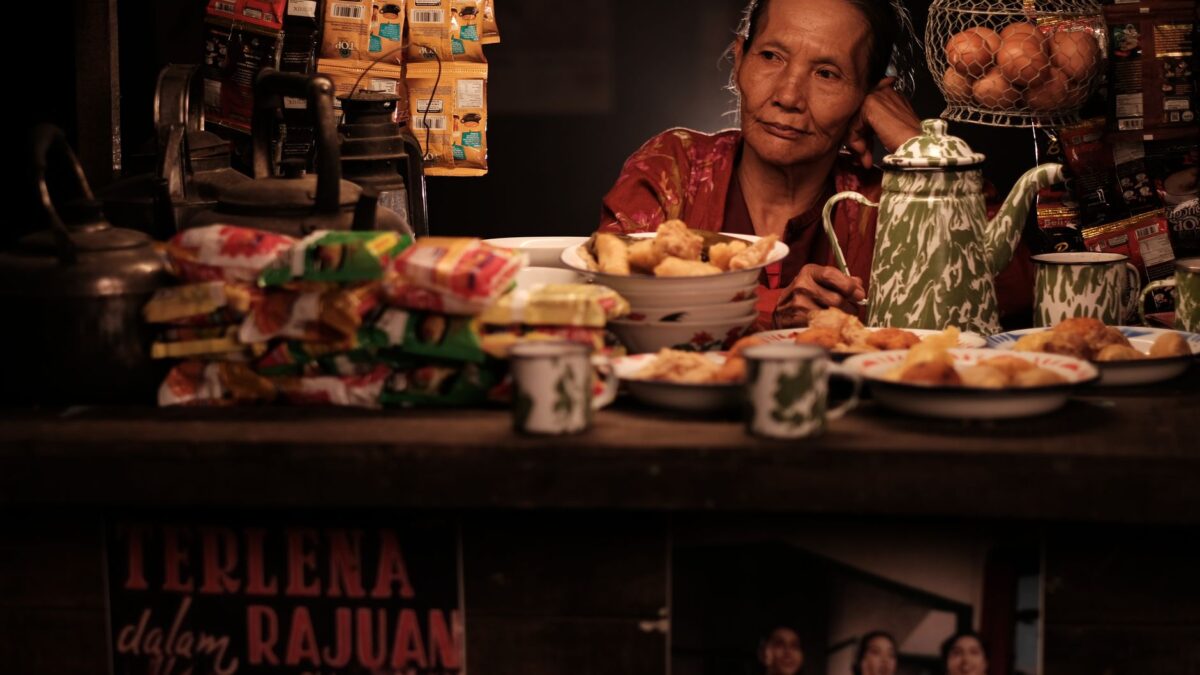
Food is the easiest way to connect with locals, and Jakarta is affordable. You do not need to eat in malls to find quality. Seek out the warteg (warung tegal)—local canteens that serve home-style meals. Here, you can get rice, fried chicken, tempeh, tofu, and vegetables for about Rp 15,000 to Rp 20,000 (roughly $1.10). It is cheap, nutritious, and authentic. If you crave street food, look for stalls selling nasi goreng (fried rice) for Rp 15,000–25,000 or sate ayam (chicken skewers with peanut sauce) for Rp 20,000–30,000. For a quick breakfast, nasi uduk (coconut rice) with sides costs around Rp 20,000.
To dive deeper into local culture, head to the Betawi district of Menteng or the historic Jalan Sabang area. Try kerak telor, a sticky rice and egg dish cooked over charcoal, or soto Betawi. These flavors define the indigenous culture of Jakarta. Avoid the temptation to eat only in air-conditioned food courts; the best experiences happen on plastic stools under fluorescent lights. Just ensure you drink bottled water, as tap water is not safe for consumption.
Practical Essentials: Money, Visas, and SIM Cards
Currency is the Indonesian Rupiah (IDR). Prices are low by Western standards, but inflation is pushing up staple food costs slightly. Carry small denominations; vendors rarely have change for large bills. Regarding entry, most Western and ASEAN travelers can obtain an e-VOA (electronic Visa on Arrival) for IDR 500,000 for 30 days, extendable once. Ensure your passport has six months’ validity and an onward ticket. Note that ASEAN passports often get visa-free entry but cannot extend. Overstaying is fined heavily, around IDR 1,000,000 per day.
Before you leave the airport, register your prepaid SIM card. Telkomsel offers the best coverage across the archipelago. You must present your passport at a GraPARI store or official counter to register the IMEI and activate the line. Data bundles are cheap and widely available. For banking, tourists generally cannot open accounts without a KITAS (residence permit). However, having a local bank e-money card (like Mandiri e-money or BCA Flazz) is highly recommended as they double as transit tickets for the MRT and buses, saving you the hassle of buying separate tokens.
Neighborhoods That Define Jakarta
Jakarta is vast, and sticking to specific districts helps you navigate its diverse personality. In Central Jakarta, start at Kota Tua (Old Batavia). The 17th-century Dutch colonial core around Taman Fatahillah houses the Museum Sejarah Jakarta and Café Batavia. It is picturesque but busy; visit early. Nearby is Glodok, the Chinatown, where you can find Chinese-Indonesian temples, herbal medicine shops, and incredible food. Move south to Menteng, Jakarta’s oldest residential quarter. It is leafy, quiet, and lined with Dutch villas. From here, you can walk to Monas (the National Monument) and Istiqlal Mosque, the largest in Southeast Asia, which stands opposite the Jakarta Cathedral—a powerful symbol of the city’s religious tolerance.
In South Jakarta, Senopati and Gunawarman streets offer a dense concentration of modern boutiques and independent restaurants. It is the place to see Jakarta’s nightlife and trendy crowd. If you want nature, take a fast boat from Marina Ancol to Kepulauan Seribu (Thousand Islands). It is a marine national park perfect for snorkeling and seeing turtle conservation efforts on Pulau Pramuka. Whether you are exploring the glass towers of SCBD or the ancient puppets at the Museum Wayang, Jakarta rewards those who look beyond the traffic. It is a city of layers, waiting for you to peel back the noise and find the warmth underneath.
Frequently asked questions
How much does a typical local meal cost in Jakarta?
A meal at a warteg (local canteen) typically costs between Rp 15,000 and Rp 20,000 (about $1.10). Street food like nasi goreng or sate ranges from Rp 15,000 to Rp 30,000 ($1–$1.60).
What is the best way to get around Jakarta without driving?
Use the integrated Jak Lingko system, which combines MRT, TransJakarta buses, and KRL trains. The fare is capped at around Rp 10,000 ($0.60) for transfers within three hours. Use Grab or Gojek for last-mile connectivity.
Do I need a visa to enter Indonesia for tourism?
Most Western travelers need an e-VOA costing IDR 500,000 for 30 days, extendable once. ASEAN nationals often get 30 days visa-free but cannot extend. Passports must be valid for 6 months.
When is the best time to visit Jakarta to avoid rain?
The dry season runs from May to September. However, note that November marks the start of the wet season, bringing heavy afternoon showers and potential coastal flooding (banjir rob).
Things to do in Indonesia
 PRIVATE Authentic Balinese Cooking Class in Ubud at Putu's Home
 Ubud Highlights: Monkey Forest, Rice Terrace, Tirta Empul Temple
 Anggrek Putih Cooking class & Garden Tour
 Ubud Adventure All Inclusive Private Day Tour
 Likely to sell out
Nusa Penida Two Dives Trip for Certified Divers
 Bali Airport Transfer Service in Private