

A first-timer’s guide to Ireland
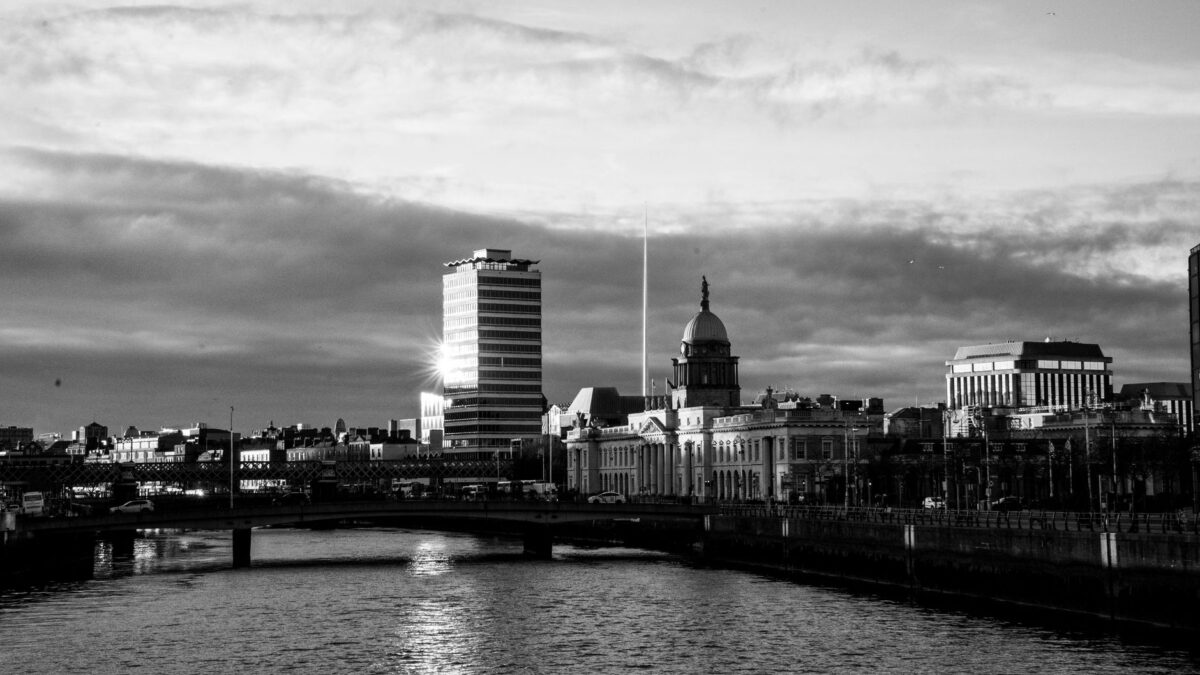
The rain in Dublin doesn’t fall; it hangs. Standing on the Liffey Quays this morning, with a light drizzle misting my face and the temperature hovering around 13°C, I watch the city wake up. It’s mid-September, that sweet spot where late summer lingers just long enough to catch your eye before autumn closes in. The blackberries are ripe along the canal banks, and the air smells of salt from the Atlantic fronts rolling through. If you’re planning your first trip here, you might be picturing emerald hills and green fields, but Ireland is also a city of cobblestones, literary ghosts, and the warm glow of a pub fire. Let me walk you through the practicalities so you can stop worrying about the logistics and start living the experience.
When to Go and How Long to Stay
Ireland’s weather is famously fickle. You can have four seasons in a day, though in September, you’ll likely get two: a soft, golden afternoon followed by an early evening descent into darkness. With daylight hours shrinking from roughly 07:03 to 19:33, you need to plan your sightseeing wisely. Mid-September is particularly magical because it’s back-to-school season for locals, meaning fewer families, a vibrant arts scene, and a more authentic rhythm to the city.
For a first-timer, I recommend staying at least five to seven days. This gives you time to explore Dublin without rushing and take one or two day trips to the countryside—like the Cliffs of Moher or the Ring of Kerry—if you’re renting a car. However, if you prefer public transport, sticking to Dublin and its immediate surroundings for a week allows you to dive deep into the culture without the stress of driving on narrow, single-track country roads.
Navigating the City and Getting Around
Dublin is compact, but it’s not small enough to walk everywhere comfortably. The best way to navigate is via the TFI Leap Card. You can buy these online or at major stations like Busáras. For visitors, the Leap Visitor Card is your best friend: €8 for 24 hours, €18 for 72 hours, or €24 for a full week. This card works on Dublin Bus, the Luas trams, the DART coastal rail, and commuter rail.
Here is a crucial tip: tap on for buses, but you must tap on and off for the Luas and DART. Failing to tap off will result in a maximum fare penalty. The adult 90-minute fare is currently around €2.00, with daily capping at €6.00. While there has been recent political discussion about fare increases set for January 2027, for now, these prices remain very reasonable compared to other European capitals.
If you want to see the coast, hop on the DART (Dublin Area Rapid Transit) north to Howth. It’s a quick, scenic ride that ends at a harbour where you can watch seals playing in the waves and spot seabirds against the cliffs. It’s free to walk, and the fish and chips by the pier are legendary.
Money, Costs, and the Pub Culture
You’ll be using Euros (EUR). As of late 2024, the exchange rate was roughly 0.924 EUR to 1 USD, though this fluctuates. Inflation is sitting at around 2.2%, but don’t let that fool you—Dublin is expensive. Rents for a modest one-bedroom flat near the centre average between €1,900 and €2,700 a month, which drives up the cost of living for everyone.
When it comes to drinking, embrace the tradition. A pint of stout or Guinness in a typical Dublin pub costs about €7.25 on average. However, steer clear of the tourist traps in Temple Bar, where you might pay €9.95 or more for the same drink. Instead, head to the Liberties or Smithfield for better value and authentic atmosphere.
Eating out varies wildly. While I couldn’t find verified current prices for all meals, expect to pay a premium for dining in the city centre. If you’re budgeting, look for lunch specials or grab groceries from Tesco or SuperValu. For a treat, try Tang on Dawson Street for fine dining, or The Old Storehouse Bar and Restaurant in the Liberties for something historic and hearty.
Neighbourhoods Worth Exploring
Dublin is a collection of distinct villages rather than a monolithic city. Here is where you should focus your energy:
- The Liberties: South of the river, this is the oldest quarter. Home to the Guinness Storehouse at St James’s Gate, you can end your tour at the Gravity Bar for panoramic views. Don’t miss the weekend Liberty Market for local crafts and food.
- Temple Bar: Cobblestoned and lively, this is the nightlife hub. It’s beautiful but crowded. Visit during the day to see the architecture, then leave before the crowds peak at night. The Irish Film Institute and Meeting House Square are great stops.
- Smithfield & Stoneybatter: Northside cool. Smithfield Square is surrounded by cafes and the Jameson Distillery Bow St. Just nearby, The Cobblestone Pub offers some of the best traditional Irish music sessions in the city—no cover charge, just listen and enjoy.
- The Docklands: Known as the ‘Silicon Docks,’ this area hosts Google and Meta campuses. Walk along the Grand Canal Dock to see the modern side of Ireland, and visit EPIC The Irish Emigration Museum for a deeply moving story of the diaspora.
- Merrion Square: Georgian elegance at its finest. Walk past the Oscar Wilde statue and relax in the park, just steps from the National Gallery.
Practical Essentials: Safety, SIM Cards, and Visas
Safety in Dublin is generally good, but like any major city, petty crime exists. Keep your phone and wallet secure, especially in crowds around Grafton Street and Temple Bar at night. Phone-snatching is reported, so avoid walking alone late at night. Use licensed taxis or apps like Free Now. The emergency number is 112 or 999.
For connectivity, pick up a prepaid SIM from the airport or convenience stores like Spar. Networks include Three, Vodafone, and eir. Activating a SIM now requires photo ID, so bring your passport. Digital options like Revolut are ubiquitous for spending, but if you need a traditional bank account (AIB, Bank of Ireland), you’ll need a PPS Number and proof of address.
Visa-wise, EU/EEA/UK citizens need no visa. US, Canadian, and many other nationals are visa-free for up to 90 days. If you’re staying longer or from a different country, check the AVATS system for a short-stay ‘C’ visa, which costs €60 for a single entry. Remember, your passport must be valid for six months beyond your stay.
Finally, immerse yourself in the history. The 1916 Easter Rising, proclaimed from the GPO on O’Connell Street, shaped modern Ireland. Visit Kilmainham Gaol to understand the struggle for independence—it’s a key site and books up fast, so reserve ahead. And when you’re tired, find a pub. Whether it’s O’Donoghue’s on Merrion Row or a quiet corner in Portobello, the warmth of the people is Ireland’s greatest resource. Enjoy your trip.
Frequently asked questions
How much does a pint of Guinness cost in Dublin?
A pint averages around €7.25 in typical pubs, but expect to pay €9.95+ in tourist-heavy areas like Temple Bar.
Do I need a visa to visit Dublin for tourism?
Citizens of the EU, EEA, UK, US, and Canada do not need a visa for stays up to 90 days. Others may require a short-stay 'C' visa via the AVATS system.
What is the best way to get around Dublin?
Use the TFI Leap Card. Visitors should buy a Leap Visitor Card (€8 for 24h, €24 for 7 days) for unlimited travel on buses, Luas, and DART.
Is Dublin safe for tourists?
Yes, generally safe. However, be vigilant against pickpocketing in crowded areas like Grafton Street and Temple Bar, and use licensed taxis at night.
Things to do in Ireland
 Likely to sell out
Dunmore East Sea Safari to Hook Lighthouse
Likely to sell out
Dunmore East Sea Safari to Hook Lighthouse
 Dublin LGBTQ Pride Historical and Cultural Walking Tour
 Authentic Dublin private car tour Top Ranked Dubliner guide Éamon
 The Irish Dance Experience in Galway, Ireland
 Private Tour of Ring of Kerry & Valentia Island
 Boat Tour of Kinsale Harbour and Bandon River