

A first-timer’s guide to Japan
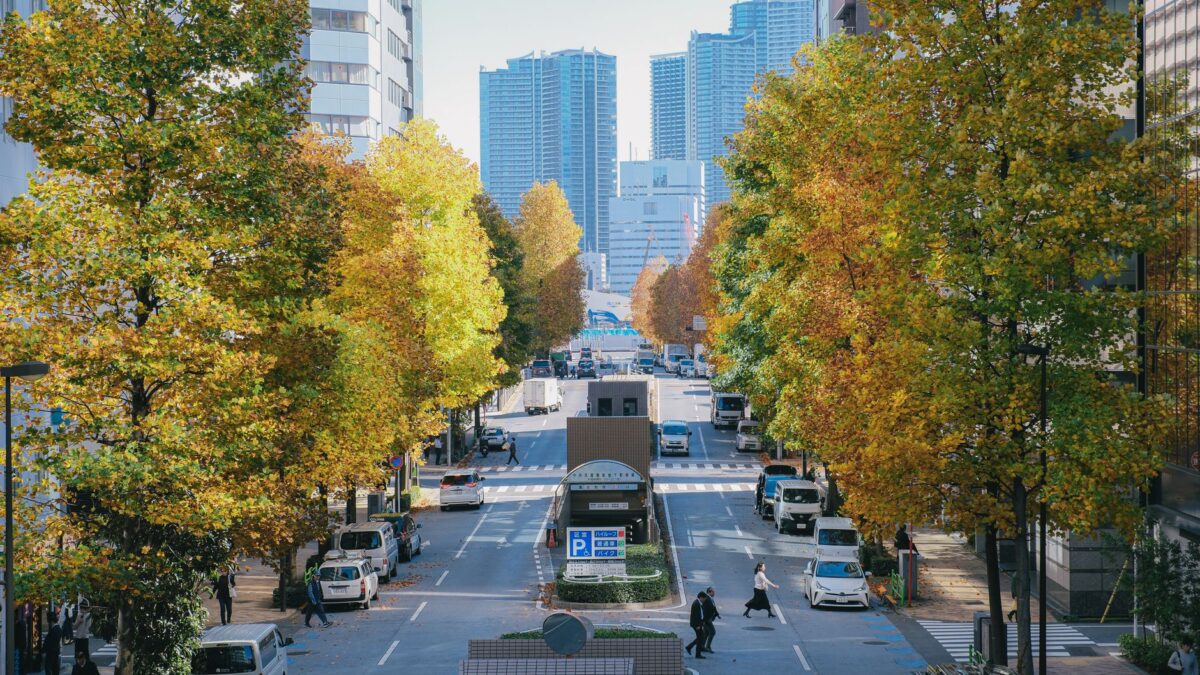
The air in Tokyo shifts in late September. The humidity that clings to your shirt all summer finally breaks, replaced by a crisp breeze carrying the scent of roasted chestnuts and grilled Pacific saury (sanma). As someone who has navigated these streets for years, I can tell you that visiting now offers a specific kind of magic: the city is preparing for autumn, the crowds are slightly thinner than in cherry-blossom season, and the food is at its seasonal peak. If you are planning your first trip, let me guide you through the practicalities so you can focus on the experience.
When to Visit and How Long to Stay
While spring is famous, late September through November is arguably the most comfortable time for travel. The weather is mild, typically ranging from 19–29°C, though be prepared for light drizzle as the season turns. This period also coincides with otsukimi (moon-viewing) traditions, where you will see special sweets and decorations in shops.
For duration, aim for at least seven to ten days. Japan’s rail network is efficient, but the distance between cities adds up. A common first-timer mistake is trying to do too much in one region. Instead, pick a base like Tokyo for three or four nights, then take a day trip to places like Mount Takao—a classic half-day hike with cable car access just fifty minutes from Shinjuku—or explore the historic streets of Asakusa.
Navigating the City: Transit and Money
Getting around Tokyo can feel overwhelming until you understand the IC card system. You do not need to buy paper tickets for every journey. Instead, purchase a rechargeable IC card like Suica or PASMO. These work on virtually all trains, subways, and buses in the capital. You can even add them to your iPhone’s Apple Wallet before you arrive. For visitors, look out for the physical Welcome Suica cards or the mobile app version, which simplifies top-ups via Apple Pay.
A single metro fare runs approximately ¥180 (about $1.20), making public transport incredibly affordable. However, always carry cash. While credit cards are accepted in department stores and larger hotels, many small restaurants, ticket machines at temples, and traditional markets still operate on a cash-only basis. Having ¥10,000–15,000 on hand is a safe buffer for your first few days.
Food Costs and Dining Out
One of the greatest joys of visiting Japan right now is the exchange rate. Although local rents have risen—with a modest one-bedroom flat in Tokyo’s 23 wards costing around ¥111,000–117,000 per month—the weak yen makes dining out surprisingly cheap for foreign visitors.
You can enjoy a high-quality bowl of tonkotsu ramen at a popular shop for roughly ¥980–1,100 (about $7). If you are looking for a quick, hearty lunch, a gyudon beef bowl from a local chain will set you back only ¥400–600 (around $3). For dinner, a mid-range izakaya meal with drinks averages ¥2,000–4,000 per person (about $20). Conveyor-belt sushi is also a fantastic value; a typical meal costs around ¥1,500.
If you prefer to cook, supermarket prices are reasonable. A litre of milk or a loaf of bread costs about ¥268–298, and a can of local beer is roughly ¥280. Keep an eye out for seasonal items like nashi pears and new-crop rice, which define the autumn menu.
Where to Stay and Explore
Tokyo is a collection of distinct districts, each with its own personality. For first-timers, location matters less than vibe. Here are a few areas to consider:
- Shinjuku: Bustling and central, home to countless business hotels. A mid-range stay here might cost ¥12,000–18,000 (avg ~$100) per night.
- Shibuya: The epicenter of youth culture and fashion. It is vibrant, noisy, and perfectly positioned near the Scramble Crossing.
- Asakusa: If you want to feel old Edo, stay here. It is cheaper than central wards and offers direct access to Senso-ji Temple.
- Kichijoji: Consistently voted Tokyo’s most livable district. It is quieter, filled with independent shops, and close to Inokashira Park.
- Shimokitazawa: Known for vintage shopping and indie music venues like the Honda Theatre. It is highly walkable and creative.
For accommodation, budget travelers might consider guesthouses like Tokyo Guest House Ouji Music Lounge, while those seeking comfort can look at Petit Grande Miyabi or &Here TOKYO UENO.
Essential Tips for First-Timers
There are a few cultural and logistical nuances that will make your trip smoother. First, check if you need a visa. Most Western and Asia-Pacific passport holders enter visa-free for up to 90 days. Regardless of visa status, pre-register on Visit Japan Web (vjw-lp.digital.go.jp) to generate QR codes for immigration and customs. This saves hours at the airport.
Connectivity is vital. Tourists should install a travel eSIM before landing. Providers like Airalo, Holafly, or Sakura Mobile offer easy setups. Avoid relying on public Wi-Fi, which can be insecure and unreliable.
Respect the quiet. On trains, keep your voice down and avoid phone calls. Also, note that tipping is not practiced and can sometimes cause confusion. Service is included in the price.
Finally, embrace the festivals. Late September often features events like the Nezu-jinja Shrine’s Grand Festival or the Shinagawa Shukuba-matsuri. These are excellent opportunities to see traditional drum performances and processions without needing a reservation. Safety is generally high, but keep emergency numbers handy: 110 for police and 119 for fire/ambulance. For English assistance, the Japan Visitor Hotline is available at 050-3816-2787.
Frequently asked questions
Do I need a visa to visit Japan?
Most Western and Asia-Pacific passport holders can enter visa-free as temporary visitors for up to 90 days. Always check the latest requirements before traveling.
How much does a meal cost in Tokyo?
Meals are very affordable. A bowl of ramen costs around ¥980–1,100 ($7), while a cheap gyudon beef bowl is about ¥400–600 ($3). Dinner at a mid-range izakaya averages ¥2,000–4,000 ($20).
What is the best way to pay for trains?
Use a rechargeable IC card like Suica or PASMO. You can tap in and out of stations, use them on vending machines, and even add them to your iPhone wallet.
Is it necessary to carry cash in Japan?
Yes. While cards are widely accepted in large establishments, many small restaurants, temples, and ticket machines still require cash. Carry ¥10,000–15,000 initially.
When is the best time to visit Tokyo?
Late September to November offers mild weather (19–29°C) and beautiful autumn foliage. It avoids the peak summer humidity and the crowded cherry blossom season.
Things to do in Japan
 Samurai Training Experience KENDO in Osaka
 Special offer
Tokyo Private Discovery Tour | Unique Insights & Must Sees
 Pixel Lab Tokyo: Gameboy Mod Workshop (Classic/Color/Advance/SP)
 Private Tea Ceremony and Sake Tasting in Kyoto Samurai House
 Private Tailor-made Akihabara Anime Tour with a Local Otaku Guide
 Likely to sell out
Tokyo: Game Boy Mod Workshop in Akihabara (Original/Advance)