

A first-timer’s guide to Jordan
The sun is just starting to soften over Jabal Al-Qala’a, and the call to prayer rolls across Amman’s white-stone hills like a tide. You’re standing at the Citadel, watching the Roman Temple of Hercules glow amber, and somewhere below, the smell of sizzling halloumi and fresh mint drifts up from a downtown grill. This is Amman in late August — warm, alive, and just beginning to exhale after the day’s heat. If you’re planning your first trip to Jordan, let me be your local compass. I’ve walked these streets a thousand times, and I’m about to tell you everything I wish someone had told me before my first visit.
When to come: the goldilocks window
Jordan is a year-round destination, but your experience will hinge on timing. The sweet spot is March to May and September to November, when daytime temperatures hover around 20–28°C (68–82°F) — perfect for exploring Petra’s siq or floating in the Dead Sea without melting. Summer (June–August) is hot: in Amman, expect highs of 30–33°C (86–91°F) with clear skies, but the city adapts. Evenings come alive with festivals (more on that in a moment), and the heat is dry, so it’s manageable if you plan indoor activities for midday.
If you’re on a budget or prefer fewer crowds, winter (December–February) is cool and quiet, but bring layers — Amman can dip to near freezing at night, and occasional rain can disrupt desert plans. For most first-timers, I recommend two weeks in spring or autumn to see the big sights without rushing.
How long to stay (and what to see)
Don’t make the mistake of squeezing Jordan into a weekend. Minimum 7–10 days is the honest answer for a first-timer who wants to feel the country, not just check off boxes. Here’s a realistic skeleton:
- Day 1–3: Amman — Dive into the capital’s layers: the Citadel (entry about 2–5 JOD), the Roman Theatre (same ticket range), the Jordan Museum (where the 9,000-year-old Ain Ghazal statues will give you chills), and wander the stairways and galleries of Jabal Al-Weibdeh, Amman’s bohemian hill.
- Day 4: Jerash & Madaba — The best-preserved Roman ruins outside Italy (Jerash) and the mosaic map of the Holy Land (Madaba) can be combined in a day, with Mount Nebo’s panoramic view as the grand finale.
- Day 5: Dead Sea — Float in the world’s most hyper-saline lake (you’ll bob like a cork; don’t get it in your eyes). It’s only about an hour from Amman.
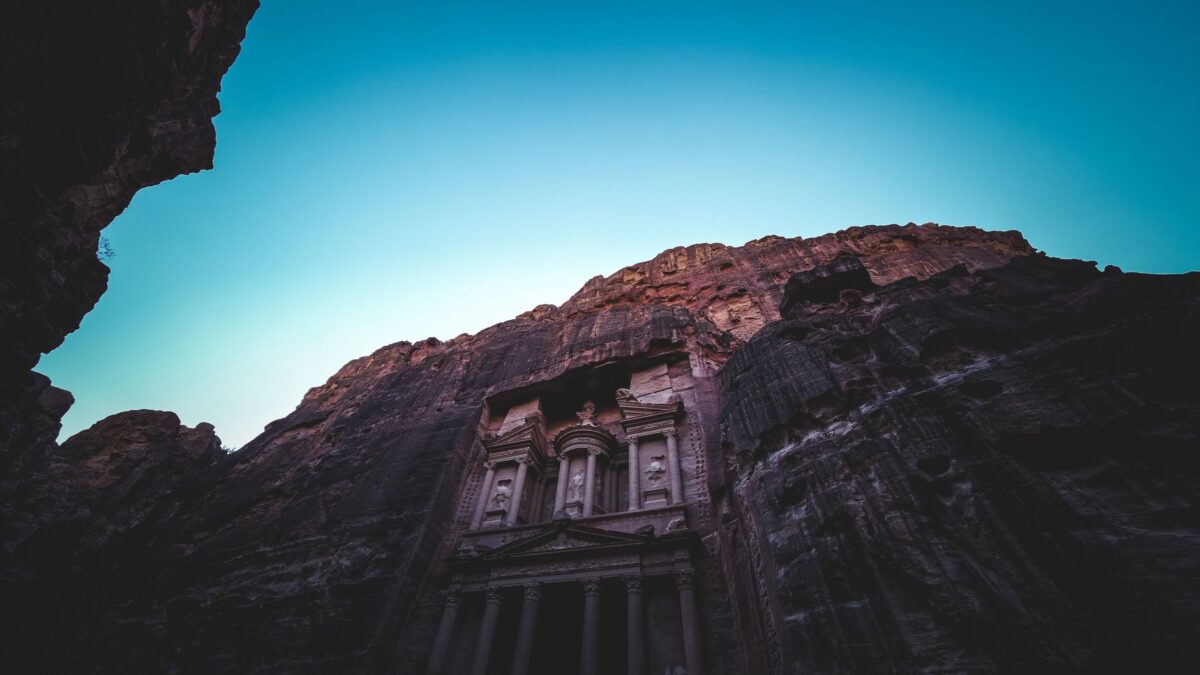
- Day 6–8: Petra & Wadi Rum — Spend at least one full day in Petra (the Treasury and Monastery are jaw-droppers), then head south to Wadi Rum’s Martian desert for a night under the stars in a Bedouin camp. Two nights in Rum lets you catch both sunset and sunrise.
- Day 9–10: Aqaba — Optional, but if you like snorkeling, the Red Sea’s coral reefs here are world-class.
Don’t try to do it all; you’ll come back. Jordan rewards slow travelers.
Getting around: buses, taxis, and your own wheels
Public transit in Amman is a patchwork, but the new Amman Bus / BRT system is a game-changer. The Red and Blue lines connect Sweileh to Ras Al-Ain and Mahatta, and a single ride costs 0.55 JOD — you can buy a QR ticket via the ‘Amman Bus’ app or recharge a prepaid card (the card itself is about 1 JOD). A monthly pass is around 28–31 JOD, but you’ll likely only need a day pass or pay-per-ride.
For short hops, yellow service taxis are the local way (they’ll pick you up if you share; just say your destination and they’ll honk if it’s on their route). A 5-kilometer metered ride runs you about 2–3 JOD — a bargain. For app-based convenience, Careem and Uber are both active and safe. From the airport, take the JETT or Sariyah shuttle into the city (roughly 3–5 JOD) instead of a taxi; you’ll save money and avoid the meter chaos.
For intercity trips to Petra, Aqaba, or the Dead Sea, JETT buses are reliable and cheap. But if you want flexibility, rent a car. Be warned: Amman traffic is chaotic and aggressive — pedestrians rarely get the right of way, and sidewalks are often blocked by parked cars or construction. Drive defensively, or hire a driver for the day (ask your hotel; a full-day driver is around 50–70 JOD, but that’s my own ballpark, not a written-in-stone price).
Money, costs, and the cash conundrum
Jordan uses the Jordanian Dinar (JOD), roughly 0.71 to the US dollar — so $1 is about 0.71 JOD, and 1 JOD is about $1.41. Prices are stable (inflation is only 1.8%), but you’ll need to manage cash vs. card.
Amman is one of the more affordable Arab capitals, but it’s not Southeast-Asia cheap. A full falafel-and-hummus feast at Hashem Restaurant downtown — a legendary spot since 1951 — costs 2–4 JOD for a spread that will feed you twice. A mid-range restaurant dinner (think grilled meats or mansaf, the national dish — lamb in jameed yogurt over rice) runs 10–20 JOD; a nice cappuccino sets you back 1.8–3 JOD.
For lodging, a mid-range 3-star hotel double in Amman runs 30–60 JOD/night (places like Beirut Hotel or POST boutique hotel Amman fall in that range). If you’re renting, a modest 1-bedroom flat in the city center goes for 300–500 JOD/month, but you’re a tourist, so you’ll likely use a hotel or Airbnb.
Key tip: carry cash. Many small shops in the souks — Sukkar, Saqf As Sayl, the Gold Market — don’t take cards, and even some restaurants prefer cash. ATMs are plentiful (Arab Bank, Housing Bank, Cairo Amman Bank), and they dispense dinars with a modest fee. Credit cards work fine in hotels and upscale places in Abdali and Abdoun, but for anything under 5 JOD, assume cash only.
Visa, registration, and the Jordan Pass
Good news: most nationalities get visa on arrival at Queen Alia Airport for 40 JOD (30 days). But the smarter move is the Jordan Pass (jordanpass.jo, from about 70 JOD for a 3-night package). It waives the visa fee entirely and covers entry to 40+ sites, including Petra (worth it alone), Jerash, and the Citadel. You’ll also get a 3-month temporary residence stamp automatically at the border — a nice perk for 2026 — but if you don’t have a Jordan Pass or pre-arranged tourism package, you must register your address with the police within 2 weeks or face a fine of about 200 JOD. Trust me, just get the Jordan Pass and avoid the paperwork.
Your passport needs to be valid at least 6 months from entry. For longer stays or multiple entries, use the eservices.moi.gov.jo portal for eVisas (about 40–60 JOD depending on number of entries).
Internet, SIM cards, and staying connected
You’ll land at Queen Alia and spot stalls for Orange, Zain, and Umniah. A prepaid SIM costs about 5 JOD — bring your passport; registration is tied to it. Data plans are cheap, with unlimited social media options around 10–20 JOD/month. Coverage is excellent even in Wadi Rum’s desert, so you won’t be off-grid unless you want to be.
Wi-Fi is common in hotels and cafés, but the SIM is worth it for maps and ride apps.
What I wish I’d known before my first time
- Traffic is the real hazard. Jordan is safe — the safety index here is about 72/100, a regional haven — but jaywalking is a sport, and you’ll lose. Use designated crossings (when they exist) and make eye contact with drivers.
- The festival summer is a bonus. In late August 2026, you’re in luck: the Boulevard Summer Festival runs daily from 5pm with free concerts (GuitaNai, Adam Wa Mishmish) and local stalls; the 6th Jordan Summer Festival has Friday-evening dabke and handicraft markets across Amman and six governorates; and the 11th Asian Men’s Youth Handball Championship is on at Princess Sumaya Hall. Check dates — they change yearly, but summer evenings in Amman are always eventful.
- One road closure to know: Greater Amman Municipality shut a section of Bay’at Al-Ridwan Street for stormwater culvert work (14 days, mid-August). If your GPS takes you that way, expect a detour — but it’s a rare gridlock trigger, not a daily issue.
- Bargain, but only in souks. In the Gold Market and craft stalls, haggling is expected (start at half, meet in the middle). At restaurants and taxis, prices are fixed — don’t negotiate your falafel bill.
- Dress modestly outside tourist zones. In Amman’s trendy Rainbow Street or the Boulevard, you’ll see short sleeves, but when you enter mosques (the blue-domed King Abdullah I Mosque welcomes non-Muslims) or rural areas, cover shoulders and knees. It’s a sign of respect, not a law, but you’ll be treated better.
- The tap water isn’t for drinking. Buy bottled (a litre is about 0.4–0.5 JOD), and carry a reusable bottle to refill at hotels (they’ll often have filtered water).
- Friday is the weekend. Many businesses close after Friday prayers (noon–2pm), but the Souk Jara craft market runs Friday mornings near Rainbow Street — great for homemade souvenirs and live Oud music.
Final word
Jordan will surprise you — not just with the grandeur of Petra or the Martian silence of Wadi Rum, but with the warmth of its people, the sweetness of its kunafeh (head to Habibah Sweets downtown, you’ll see the line), and the easy rhythm of a city that’s been a crossroads for millennia. Come with time, bring cash, and let the country unfold. You’ll leave with a stamp in your passport and a pull in your chest to return. Safe journeys.
Frequently asked questions
What is the best time to visit Jordan?
Spring (March-May) and autumn (September-November) are ideal, with temperatures around 20-28°C. Summers are hot but bring evening festivals; winters are cool and quiet.
How many days do I need for Jordan?
Minimum 7-10 days is recommended to cover Amman, Jerash, the Dead Sea, Petra, and Wadi Rum without rushing.
Do I need a visa for Jordan?
Most nationalities get visa on arrival for 40 JOD (30 days). The Jordan Pass (from ~70 JOD) waives the visa fee and covers 40+ sites, making it the best value.
Is it safe to travel to Jordan as a tourist?
Yes, Jordan is one of the safest countries in the region, with a high safety index. The main hazard is traffic; pedestrians lack right of way, so cross streets with care.
What currency should I use and can I pay by card?
Jordanian Dinar (JOD), ~0.71 per US dollar. Carry cash because many small shops and souks don't accept cards. ATMs are widely available.
Things to do in Jordan
 Private Flexible Transportation from Amman to Jordan’s Cities .
 Private Two Day Tour To Petra, Wadi Rum and Dead Sea from Amman
 Petra & Dead Sea - One day Private tour
 From Amman: Private Dead Sea, Madaba and Mount Nebo Full day tour
 2-Hour Private Scuba Experience in Aqaba
 Private Transportation-Nayl-fdool