

A first-timer’s guide to Laos
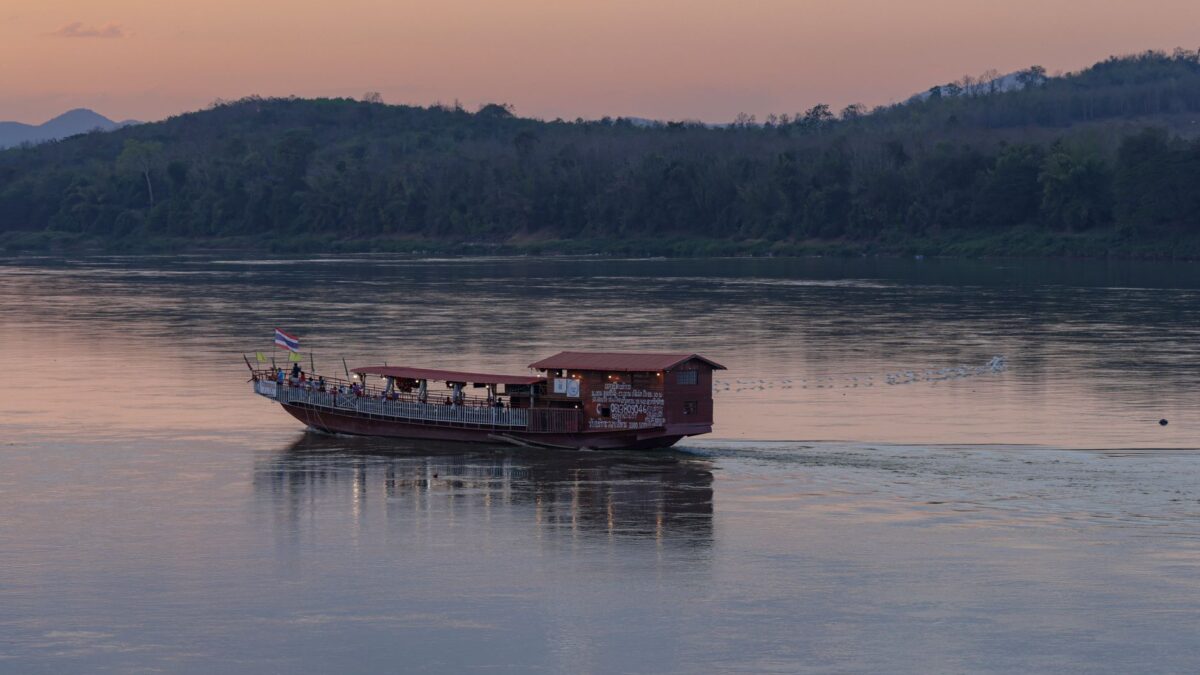
There is a specific moment in Vientiane when the heat finally breaks. It’s usually late afternoon, around 5:30 PM, when the light turns golden and hits the Mekong River just as it flows past Chao Anouvong Park. You can hear the distant hum of motorbikes fading into the background, replaced by the clatter of street stalls setting up for dinner. The air smells like charcoal, lemongrass, and damp earth after a brief, warm drizzle. This is not the frantic energy of Bangkok or the polished streets of Singapore. This is Laos: slow, humid, and deeply rooted in its own rhythm. If you are arriving here for the first time, leave your checklist at the airport. What you need is a willingness to adapt, a pair of comfortable sandals, and an open mind.
The When and How Long
Laos has two main seasons, and choosing when to visit dictates your entire experience. The dry season, from November to February, is cool and crisp—perfect for temple hopping and trekking. However, if you are visiting now, in the transition months, expect humidity. Today, for example, the temperature sits around 24–31°C but feels closer to 37°C due to the moisture in the air. Rain is likely, often coming in short, heavy bursts that clear quickly, leaving the streets steaming and the sky bright again.
For a first-timer, I recommend staying between two and three weeks. This allows you to spend five days in Vientiane to acclimatize, then take the new high-speed railway north to Luang Prabang or Vang Vieng. Two weeks is the minimum to feel like you’ve seen the country; three weeks lets you breathe. Don’t rush. The roads are winding, the buses are slow, and the best moments happen when you stop moving.
Money Matters and Daily Costs
You will need to master the Lao Kip (LAK). The currency has depreciated significantly in recent years, meaning prices have risen, but Laos remains incredibly affordable compared to its neighbors. As of early 2026, inflation is hovering around 7.7%, so always carry small denominations. While many tourist spots quote in USD or Thai Baht, local life runs on kips.
Here is what your budget actually looks like on the ground:
- Food: Street food is still a bargain. A bowl of Khao Piak Sen (hand-cut chicken noodle soup) costs about 20,000–50,000 LAK (roughly $2.0). A proper Laap (minced meat salad) with sticky rice might set you back 30,000–50,000 LAK ($2.3). For a mid-range restaurant meal, expect to pay around 80,000–150,000 LAK ($7).
- Drinks: Beerlao is the national drink. In a shop, a bottle is roughly 8,000–12,000 LAK ($0.6). At a bar draft, it’s 20,000–35,000 LAK. Coffee lovers should try the local drip coffee at a street stall for 10,000–20,000 LAK, though cafe versions cost around 45,000 LAK.
- Transport: Short tuk-tuk rides within town average 20,000–30,000 LAK ($1.4). App-based ride-hailing via Loca is also widely available and often safer for tourists than hailing random vehicles.
- Accommodation: Budget guesthouses start around 80,000–200,000 LAK per night. For a mid-range hotel with AC and a private bath, plan for 250,000–600,000 LAK ($24). If you’re staying longer, a modest one-bedroom flat outside the center rents for about 3,500,000–6,500,000 LAK monthly ($170–300).
Note: Prices at riverside tourist restaurants can be 2-3x higher than market stalls. Stick to local spots for the authentic experience and better value.
Navigating Vientiane and Beyond
Vientiane is compact. The historic center lies in Chanthabouly district, where most guesthouses cluster near the Nam Phou fountain. From here, you can walk to Patuxai (the Victory Gate), Talat Sao morning market, and the Mekong Night Market. It is the most walkable part of the city.
If you venture out, consider the districts for context. Sisattanak is the upscale diplomatic belt with tree-lined villas and international schools. Xaysetha houses the iconic Pha That Luang stupa and the ITECC mall. For a glimpse of real local life, head west to Sikhottabong district, anchored by the sprawling Talat Khua Din market.
Getting around the country has changed dramatically since the opening of the Vientiane–Kunming railway in 2021. Trains depart from Khamsavath station on the city’s east edge, connecting you to Vang Vieng and Luang Prabang in hours rather than the grueling six-hour bus rides of the past. For daily travel, avoid driving yourself unless you are experienced; traffic can be chaotic, and road safety is a genuine concern.
Essentials: Visas, SIMs, and Safety
Most non-ASEAN visitors require a visa. You can obtain a Visa on Arrival at Wattay International Airport for approximately USD 30–45 for 30 days, provided you have exact cash and two passport photos. Alternatively, apply online via laoevisa.gov.la for an e-Visa (~USD 50). Crucially, since 2025, all travelers entering via Wattay must complete the Lao Digital Immigration Form (LDIF) online within three days before arrival.
For connectivity, buy a prepaid SIM card immediately upon landing. Unitel (a Viettel joint venture) offers the widest coverage. You’ll need your passport to register. Avoid using roaming data if possible; local rates are cheap and reliable.
Safety in Vientiane is generally high regarding violent crime. The city is calm. Your primary risks are motorbike accidents and occasional bag-snatching at night. Be vigilant in crowded areas like the night markets. Also, remain aware of Unexploded Ordnance (UXO) if you travel off the beaten path in rural areas. The COPE Visitor Centre is a sobering, essential stop that provides vital context on the country’s history as one of the most heavily bombed nations in history.
First-Timer Mistakes to Avoid
Don’t underestimate the heat. Even in the ‘cool’ season, midday sun is intense. Plan indoor activities—like visiting Wat Siaket, the city’s oldest surviving temple with thousands of Buddha images carved into its walls, or Haw Phra Keo, the former royal temple housing Buddhist art—in the mornings.
Do not ignore the culture of respect. Laos is a deeply Buddhist society. Dress modestly when visiting temples; cover shoulders and knees. Remove shoes before entering temple buildings or someone’s home. Greet people with a slight bow and a smile. The concept of “sanuk” (fun/enjoyment) permeates social interactions, so patience and good humor go a long way.
Finally, don’t miss the night markets. Whether it’s the Mekong Night Market along Anouvong Park for grilled fish and papaya salad (around 30,000–60,000 LAK for a meal) or the craft stalls at Talat Sao, this is where the city comes alive. Listen to mor lam music drifting from nearby bars, sip a cold Beerlao, and watch the sunset over the river. That is the essence of Laos.
Frequently asked questions
How much does a visa cost for Laos?
Visa on Arrival at Wattay Airport costs approximately USD 30–45 for 30 days. E-Visas applied for online run about USD 50.
Is it safe to drink tap water in Laos?
No. Tap water is not safe for drinking. Always buy bottled water or use filtered systems provided by hotels and reputable cafes.
What is the best currency to bring to Laos?
US Dollars (newer bills without marks/tears) and Thai Baht are widely accepted for exchanges and large payments. Carry Lao Kip for daily small transactions.
How do I get from Vientiane to Luang Prabang?
The fastest way is the Vientiane–Kunming railway departing from Khamsavath station. Bus travel is cheaper but takes significantly longer.
Do I need to dress conservatively in Vientiane?
Yes, especially when visiting temples like Pha That Luang or Wat Siaket. Cover shoulders and knees. Casual wear is fine in malls and cafes.
Things to do in Laos
 Laos Buffalo Dairy Tours Interact, Learn and Taste Fresh Flavors
 Luang Prabang: Craft Your Own Aroma Candle in Heritage Home
 Evening Bamboo weaving & Cooking classes join-in
 Pony Riding in Luang Prabang
 Home-cooked dinner & Baci ceremony with Villagers in Ban Nasang
 Luang Prabang Cuisine & Culture: The Hungry Tuk Tuk