

A first-timer’s guide to Lithuania
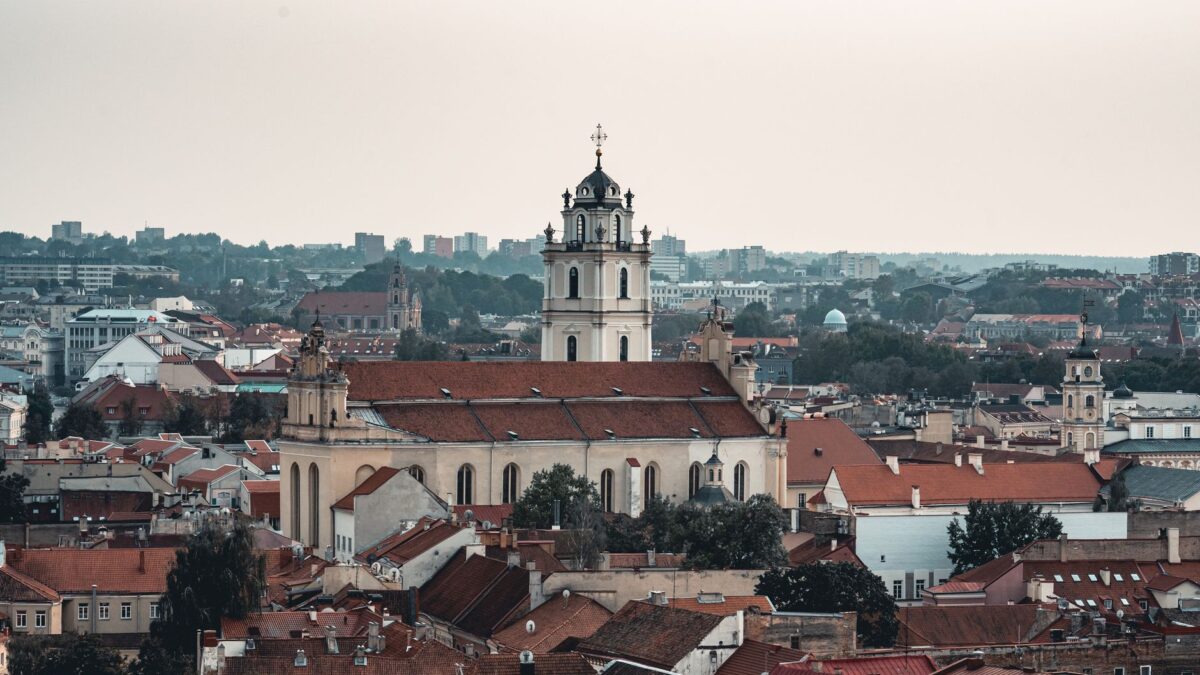
The fog is already clinging to the Neris River, turning the autumn light into a soft, diffused grey. It is mid-October in Vilnius, and the parks are turning gold while the indoor concert season kicks into high gear. If you are arriving now, you will find a city that feels less like a tourist trap and more like a living, breathing organism—deep, damp, and wonderfully alive. As your local host, I want to walk you through the practical essentials of visiting Lithuania, so you can stop worrying about the logistics and start soaking in the magic.
When to Visit and How Long to Stay
Lithuania has four distinct seasons, each with its own temperament. Summer (June to August) is the peak for tourism, with long days and festivals spilling onto the streets. But if you ask me, late spring or early autumn offer the most atmospheric experience. Right now, as I write this, the weather is hovering around 5–10°C. It is dark well before supper, markets fill with wild mushrooms and game, and the air smells of woodsmoke and decay.
For your first trip, plan to stay between five and seven days. This gives you enough time to wander the UNESCO-listed Old Town without rushing, take a day trip to Trakai, and still have energy left for the quieter neighborhoods. If you are visiting in November, keep in mind that All Saints’ Day (Visų šventųjų diena) and All Souls’ Day (Vėlinės) are major observances. Cemeteries are illuminated by thousands of candles, creating a hauntingly beautiful, solemn atmosphere across the country.
Navigating the City and Getting Around
Vilnius is compact, but it is built on hills. You will climb more than you expect. The city’s public transport system, run by JUDU, is efficient and covers buses and trolleybuses. There is no metro, so you will rely on two wheels or two feet. A single 60-minute ticket costs around €1.25, and if you plan to move around frequently, a monthly pass is roughly €38. You can tap in using the Vilniečio kortelė or buy tickets via the m.Ticket app.
A local heads-up: If you are traveling near the Ozo Street viaduct or the National Stadium construction sites, expect delays. Routes like buses 3G, 5, and 24 are currently diverted, which can add significant time to your journey. For short hops, Bolt and eTaksi are reliable. However, the best way to see the city is on foot. Start at Gediminas Tower (Gedimino pilies bokštas), where you can take the funicular up Castle Hill for a panoramic view, then descend into the Senamiestis (Old Town).
The Old Town is a Baroque masterpiece, home to more churches per square kilometer than almost anywhere else in Europe. Walk down Pilies gatvė and explore the old Jewish quarter around Stikliai Street. Just north of the river lies Užupis, the self-declared “artists’ republic.” Cross the bridge, read the Constitution plaques along Paupio St, and visit the iconic Užupis Angel statue. It is quirky, bohemian, and entirely charming.
Money, Costs, and Daily Essentials
Lithuania uses the euro (EUR). While the cost of living has risen, Vilnius remains one of the most affordable capitals in the Baltic region. Eating out is a joy and a bargain compared to Western Europe. An inexpensive meal at a local restaurant runs about €12, while a three-course dinner for two at a mid-range spot is roughly €65. You can fill up on traditional staples like cepelinai (potato-meat dumplings) for around €8, or try šaltibarščiai (cold beetroot soup) for about €5.
Coffee culture is strong here. Expect to pay around €3.30 for a cappuccino. Beer is also popular; a domestic draft in a bar is about €5.00, though you can grab a bottle for roughly €1.61 in shops like Maxima or Rimi. Groceries are reasonably priced: a liter of milk is about €1.33, and a loaf of fresh white bread is around €1.47. Note that transit fares jumped in July 2025, so budget accordingly for longer stays.
If you need to eat cheaply and authentically, head to Halės Market (Halės turgus). This 1906 iron-and-glass covered market is a sensory overload of smoked meats, pickles, honey, and kefir. It is the cheapest food near the center and the best place to sample local produce.
Practical Tips: What First-Timers Wish They Knew
Connectivity and SIM Cards: Upon arrival, you will likely want a local SIM. The main operators are Telia, Bitė, and Tele2. Prepaid brands include Ežys, Pildyk, and Labas. Remember that prepaid SIMs must be registered against an ID. If you are staying longer, a mobile contract can provide a qualified e-signature, which is incredibly useful for accessing Lithuanian state e-services.
Banking Basics: Opening a bank account as a foreigner can be tricky. Major banks like Swedbank, SEB, and Luminor usually require a residence permit and proof of link to Lithuania (like a work contract). Fintechs like Revolut (headquartered right here in Vilnius) and Paysera are often easier entry points for newcomers. However, for receiving a salary or logging into the Electronic Government Gateway, a local account is eventually necessary.
Safety and Security: Vilnius is widely rated as one of the safest EU capitals. There are no “no-go” districts. The usual caution applies around the train station and crowded Old Town lanes regarding pickpockets. The emergency number is 112. Politically, the country is firmly pro-EU and pro-NATO. Due to the proximity of Russia and Belarus, there is a heightened security mood, and recent events, such as airspace alerts, remind residents of their geopolitical reality. Travelers from Russia and Belarus may face additional entry restrictions.
Culture and Etiquette: Lithuanians value privacy and personal space. We are not as outwardly demonstrative as some Mediterranean cultures, but we are warm once you break the ice. Respect our history—we were occupied for decades—and appreciate our independence. If you visit the Museum of Occupations and Freedom Fights on Gedimino pr., go with an open heart. It is sobering but essential context for understanding the modern Lithuanian soul.
Where to Eat, Drink, and Sleep
When you need a break from sightseeing, the culinary scene delivers. For traditional flavors, Etno Dvaras offers a historic setting with hearty Lithuanian dishes. If you prefer a more modern vibe, Lokys serves excellent meat-centric cuisine, while Shack by Gurmanai is a favorite for burgers and casual bites. For coffee, seek out Taste Map Coffee Roasters or Elska coffee for expertly brewed cups in cozy settings.
Accommodation varies by district. If you want to be in the heart of the action, ALEXA OLD TOWN or Domus Maria Hotel put you steps from the Cathedral. For a unique experience, consider Artagonist hotel, which blends design with comfort. If you prefer a quieter, leafy neighborhood, look into guesthouses in Žvėrynas, the affluent garden-suburb with wooden villas fronting Vingis Park, or Šnipiškės, where glass skyscrapers like the Europa Tower stand next to pre-war cottages.
Lithuania is a country of contrasts: ancient and modern, solemn and joyful, quiet and vibrant. Take your time. Talk to the locals. Eat the bread. And when you leave, you will likely find yourself planning your return, perhaps to catch the Vilnius Jazz festival or the Banchetto Musicale early-music festival that fills our churches every autumn.
Frequently asked questions
Is Lithuania safe for tourists?
Yes, Vilnius is considered one of the safest capitals in the EU with no no-go districts. Standard precautions against pickpockets apply in crowded areas.
How much does a meal cost in Vilnius?
An inexpensive local meal costs around €12, while a mid-range dinner for two is approximately €65. Traditional dishes like cepelinai are about €8.
Do I need a visa to visit Lithuania?
Lithuania is in the Schengen Area. EU/EEA citizens need only an ID card. Visa-exempt travelers (US, UK, etc.) get 90 days per 180. Check ETIAS requirements before travel.
What is the best way to get around Vilnius?
The city is walkable, but public transport via JUDU (buses/trolleybuses) is efficient. Single tickets are ~€1.25. Ride-hailing apps like Bolt are also widely used.
When is the best time to visit Vilnius?
Summer offers long days and festivals, but late spring and early autumn provide atmospheric weather and fewer crowds. November features the solemn Vėlinės (All Souls' Day) celebrations.
Things to do in Lithuania
 Hot air balloon flight Vilnius Trakai with Transfer and Shampagne
 Premium canoe tour at Curonian spit National Park (from Klaipeda)
 BIRDWATCH - Premium guided canoe tour at Cape Vente, Nemunas Delta Regional Park
 Dinner with a local family
 Wild Beach single handed Blokart Safari
 Guided Tour of KGB Museum in Vilnius (Museum of Occupation and Freedom Fights)