A first-timer’s guide to Maldives
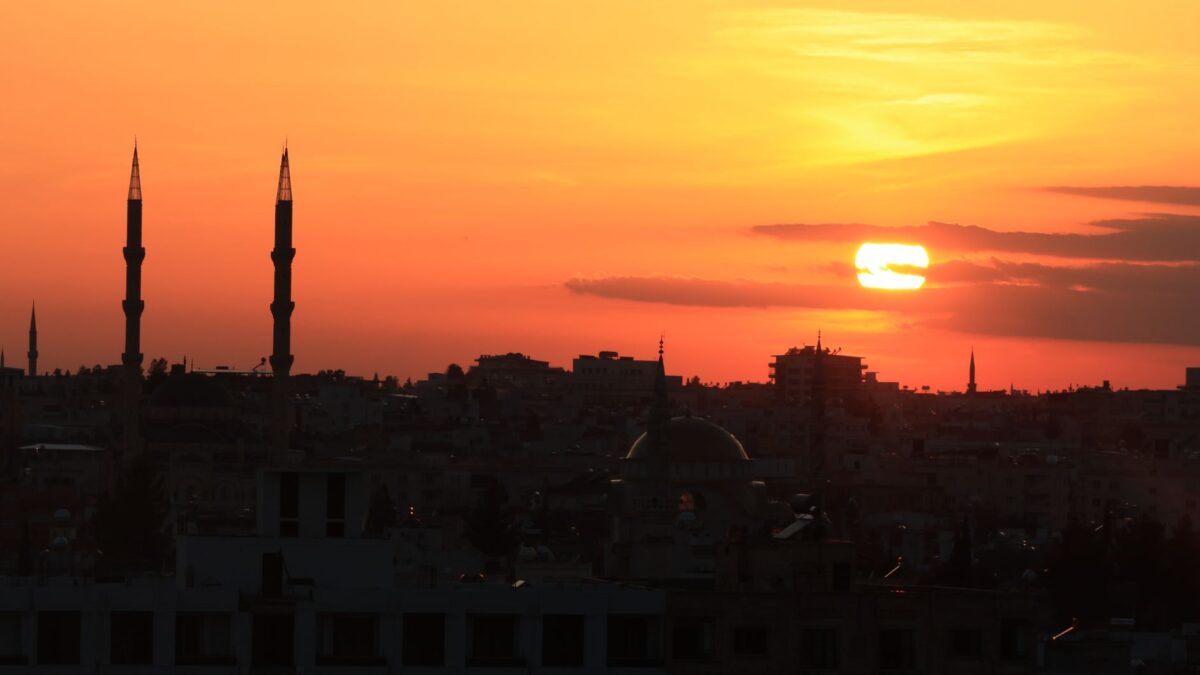
Stepping off the plane at Velana International Airport, you are immediately struck by the humidity—a warm, saline embrace that signals you have arrived in the Indian Ocean. But before you whisk away to a private island villa, most first-timers spend their first night or two in Malé, the capital. It is easy to treat Malé as merely a transit hub, but it is actually a vibrant, dense urban fabric where ancient coral mosques stand beside modern glass hotels. As someone who calls this place home, I want to guide you through the practicalities of navigating this bustling city, ensuring your introduction to the Maldives is smooth, respectful, and surprisingly affordable.
The Rhythm of the Weather
Maldives weather is not just about sunshine; it is about wind and rain patterns. The country sits near the equator, meaning temperatures remain consistently high year-round. If you are visiting during the dry season (November to April), you will encounter less rainfall and calmer seas, which is ideal for boat transfers to resorts. However, even in these months, expect heat. Currently, temperatures hover around 28–29°C, but with humidity, it can feel like 35°C.
The wet season brings the southwest monsoon, bringing heavier rains and stronger winds. While this might dampen beach plans, it also clears the air and reduces crowds. Regardless of when you visit, light drizzle is common, so pack a compact umbrella and breathable cotton clothing. The key is to plan your resort excursions for the dry months if you prioritize snorkeling visibility, but know that Malé itself is a year-round destination for culture and food.
Money, Costs, and Daily Essentials
Understanding the local currency is crucial. The Maldivian Rufiyaa (MVR) is the local tender, though US dollars are widely accepted in tourist zones. The exchange rate fluctuates, but roughly 15.4 MVR equals one US dollar. Inflation has seen prices climb slightly in recent years, particularly in the capital, but daily essentials remain reasonable if you shop locally.
Accommodation in Malé varies significantly. A simple furnished room in a guesthouse might cost around MVR 800 per night, while mid-range hotels typically charge between MVR 1,200 and MVR 1,800. For those planning longer stays, a modest one-bedroom flat in the city centre rents for about MVR 14,700 monthly, though options outside the centre drop to roughly MVR 10,800.
Food offers a stark contrast between tourist venues and local eateries. To eat like a local, seek out a hotaa (local eatery). A meal here costs approximately MVR 85–100, offering hearty portions of curry and rice. For a more upscale experience, dinner for two at a mid-range restaurant runs about MVR 450–750. Coffee lovers should note that a cappuccino at a local café averages MVR 45–52. Groceries are also accessible; a litre of milk costs around MVR 23–28, and a loaf of bread is about MVR 25. Note that alcohol is strictly prohibited in Malé and only sold on resort islands or liveaboards, where a local beer might cost MVR 50–70.
Navigating the Capital: Transport and Zones
Malé is small, but its districts each have a distinct character. You arrive via the Sinamalé Bridge, a 2.1 km marvel connecting the airport to Hulhumalé. From there, you enter Henveiru, the administrative heart. This district houses the Islamic Centre with its gold dome, the National Museum, and the historic Hukuru Miskiy (Old Friday Mosque), built in 1658 from carved coral stone without mortar.
To the west lies Maafannu, the commercial port. Here, the air smells of salt and drying tuna. The fish market is busiest between 1 PM and 4 PM, a sensory overload of yellowfin skipjack and bustling dhonis. For shopping, head to Machchangolhi, where the Singapore Bazaar strip offers everything from electronics to textiles. If you prefer quieter streets, Galolhu is a residential area near the stadium, while Vilimalé (Villingili) is a car-free commuter suburb reached by a short ferry ride.
Getting around is straightforward. Public transport is run by Raajje Transport Link (RTL), with minibus routes named after roads like Orchid Magu (R10). A single bus fare is a mere MVR 10. Ferries connect Malé to nearby islands like Vilimalé for about MVR 5, running every 15–20 minutes. Taxis are available, often with fixed fares for short rides, such as MVR 110 from the airport. There is no single stored-value transit card; cash is king for buses and ferries.
Cultural Etiquette and Safety
Malé is a conservative Sunni Muslim city, and respecting local norms is non-negotiable. Alcohol is illegal in public spaces, including Malé. Modesty in dress is required; shoulders and knees must be covered in public areas. Bikinis are only acceptable on designated resort beaches or specific tourist beaches like Rasfannu. Photography of locals without consent is frowned upon, and you should avoid photographing mosques during prayer times.
Safety is generally high, but be aware of strong currents if swimming in the ocean outside protected areas. Emergency services are reachable at 119. The city is clean and well-lit, but petty theft can occur in crowded markets, so keep valuables secure. Politically, the Maldives has seen shifts in foreign policy, with debates in local cafés reflecting closer ties to China and India, but daily life remains focused on community and faith.
First-Timer’s Wishlist: What to Know
If I could tell my younger self what to do differently, it would be this: don’t rush to the resort. Spend time in Sultan Park, shaded by banyan trees and housing the National Museum, where pre-Islamic Buddhist relics hint at the nation’s ancient past. Visit the Medhu Ziyaaraiy Shrine, marking the tomb of Abul Barakat al-Barbari, who converted the Maldivian king to Islam in 1153.
Also, try the Artificial Beach in Henveiru. It is man-made, busy, and perfect for watching the sunset over the ocean. For a quieter evening, walk along the seawall at Rasfannu, where food trucks serve grilled snacks. Finally, ensure you file the IMUGA Traveller Declaration online within 96 hours of arrival. With a free 30-day visa on arrival for most nationalities, all you need is a passport valid for six months, a return ticket, and proof of accommodation. Embrace the hustle of Malé; it is the beating heart of the Maldives, and once you understand its rhythms, you will never see the archipelago the same way again.
Frequently asked questions
How much does a meal cost in Malé?
At a local hotaa, a meal costs about MVR 85–100 ($6). Mid-range restaurants charge roughly MVR 450–750 for two people.
Is alcohol allowed in Malé?
No, alcohol is illegal in Malé and other local islands. It is only served on resort islands and liveaboards.
How do I get around Malé?
Use RTL minibuses for MVR 10 per ride, or ferries to nearby islands like Vilimalé for about MVR 5. Taxis offer fixed fares for short trips.
What is the dress code in Malé?
Shoulders and knees must be covered in public. Swimwear is restricted to resort beaches and designated bikini beaches like Rasfannu.
Do I need a visa for the Maldives?
Most tourists get a free 30-day visa on arrival. You must file the IMUGA declaration online 96 hours before travel and show a return ticket.
Things to do in Maldives
 Private Vacation Photography Session in Male Maldives
 Greater Male Explorer - Private City Tour by Car or by Walking
 Maldives Dreams A Photoshoot of Love & Laughter with Island Todo
 Underwater and Drone photoshoot in Maldives
 7-Day Maldives Adventure Snorkel Sun and Sand
 Maldives: Swim with Stingrays & Explore 3 Unique Snorkeling Sites