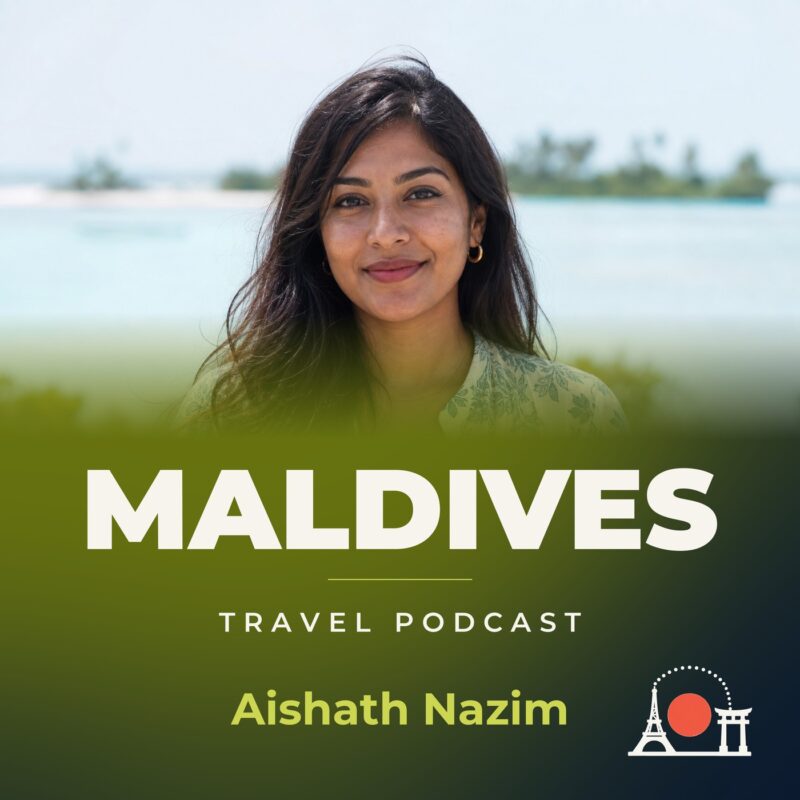
Maldives Travel Podcast with Aishath Nazim
Hosted by Aishath Nazim — a new episode every day from Maldives.
This series follows one resident as she settles in the Maldives and travels it the way a local would: slowly, by ferry and on foot, across the flat coral islands. Travelling here means working around the two monsoons, the dry northeast from November to March and the rainy southwest from June to August.
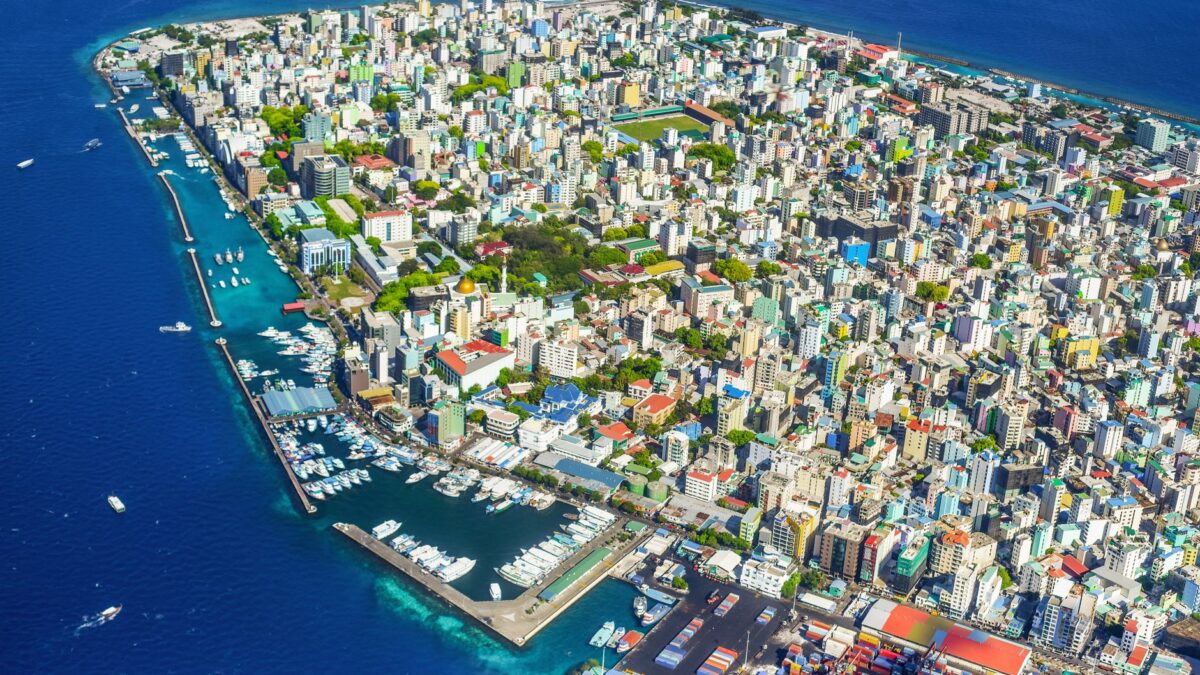
Her reports range from the capital Malé, where a third of the population lives, to the southern city of Addu, and on to Baa Atoll’s protected reefs and the isolated island of Fuvahmulah. Each place sits on the same submarine volcanic ridge, yet each has its own relationship with the ocean.
The episodes unfold across the two monsoons, returning to places after the dry northeast gives way to the rainy southwest and the currents change. A first visit to an island becomes a second, then a third; knowledge accumulates slowly, as it does when you live somewhere rather than pass through. That rhythm suits an archipelago of 200 inhabited islands where weather and sea state shape everything.
Recent episodes
Things to do in Maldives
 Private Vacation Photography Session in Male Maldives
 Greater Male Explorer - Private City Tour by Car or by Walking
 Maldives Dreams A Photoshoot of Love & Laughter with Island Todo
 Underwater and Drone photoshoot in Maldives
 7-Day Maldives Adventure Snorkel Sun and Sand
 Maafushi: Discover Scuba Diving in Maldives (for Beginners)
 Maldives: Swim with Stingrays & Explore 3 Unique Snorkeling Sites
 Male' City Tour - Language options (English/Spanish/French/Italian)
Plan your trip to Maldives
Getting around
Staying connected
Maldives at a glance
Maldives in depth
Reference data on the country — geography, people, history, economy and transport.
Geography and climate
Location
Southern Asia, group of atolls in the Indian Ocean, south-southwest of India
Terrain
Flat coral atolls, with white sandy beaches; sits atop the submarine volcanic Chagos-Laccadive Ridge
Climate
Tropical; hot, humid; dry, northeast monsoon (November to March); rainy, southwest monsoon (June to August)
Elevation
- Highest point
- 8th tee, golf course, Villingi Island 5 m
- Lowest point
- Indian Ocean 0 m
- Mean elevation
- 2 m
Area
- Total
- 298 sq km
- Land
- 298 sq km
- Water
- 0 sq km
Size comparison
About 1.7 times the size of Washington, D.C.
Coastline
644 km
Land borders
Total 0 km
Natural resources
Fish
Land use
- Agricultural land
- 19.8% (2023 est.)
- Arable land
- 13.4% (2023 est.)
- Permanent crops
- 3% (2023 est.)
- Permanent pasture
- 3.4% (2023 est.)
- Forest
- 12.5% (2023 est.)
- Other
- 67.7% (2023 est.)
Natural hazards
Tsunamis; low elevation of islands makes them sensitive to sea level rise
Note
Smallest Asian country; archipelago of 1,190 coral islands grouped into 26 atolls (200 inhabited islands, plus 80 islands with tourist resorts); strategic location along major sea lanes in Indian Ocean
People and society
Population
- Total
- 388,858 (2024 est.)
- Male
- 197,739
- Female
- 191,119
Nationality
- Noun
- Maldivian(s)
- Adjective
- Maldivian
Ethnic groups
Homogeneous mixture of Sinhalese, Dravidian, Arab, Australasian, and African resulting from historical changes in regional hegemony over marine trade routes
Languages
Dhivehi (official, closely related to Sinhala, script derived from Arabic), English (spoken by most government officials)
Religions
Sunni Muslim (official)
Median age
- Total
- 32.4 years (2025 est.)
- Male
- 31.3 years
- Female
- 32.4 years
Life expectancy
- Total population
- 77.4 years (2024 est.)
- Male
- 75.1 years
- Female
- 79.9 years
Urbanisation
- Urban population
- 42% of total population (2023)
- Rate of urbanization
- 2.34% annual rate of change (2020-25 est.)
Where people live
About a third of the population lives in the centrally located capital city of Male and almost a tenth in southern Addu City; the remainder of the populace is spread over the 200 or so populated islands of the archipelago
Largest cities
177,000 MALE (capital) (2018)
Background and government
Background
A sultanate since the 12th century, the Maldives became a British protectorate in 1887 and a republic in 1968, three years after independence. President Maumoon Abdul GAYOOM dominated Maldives' political scene for 30 years, elected to six successive terms by single-party referendums. After political demonstrations in the capital Male in 2003, GAYOOM and his government pledged to embark upon a process of liberalization and democratic reforms, including a more representative political system and expanded political freedoms. Political parties were legalized in 2005.
In 2008, a constituent assembly -- termed the "Special Majlis" -- finalized a new constitution ratified by GAYOOM. The first-ever presidential elections under a multi-candidate, multi-party system were held later that year. GAYOOM was defeated in a runoff by Mohamed NASHEED, a political activist whom the regime had jailed several years earlier. In 2012, after several weeks of street protests in response to a top judge's arrest, NASHEED resigned the presidency and handed over power to Vice President Mohammed WAHEED Hassan Maniku. A government-appointed Commission of National Inquiry concluded that there was no evidence of a coup, but NASHEED contended that police and military personnel forced him to resign. NASHEED, WAHEED, and Abdulla YAMEEN Abdul Gayoom ran in the 2013 elections with YAMEEN ultimately winning the presidency after three rounds of voting. In 2018, YAMEEN lost his reelection bid to parliamentarian Ibrahim Mohamed SOLIH. YAMEEN was arrested and jailed in 2022 on corruption charges. Maldives' fourth democratic election was held in September 2023. The winner, Male City Mayor Dr. Mohamed MUIZZU, campaigned on a platform of Maldivian sovereignty, vowing to remove Indian military personnel from the country. MUIZZU represents a joint Progressive Pary of Maldives and People's National Congress (PPM/PNC) coalition.
Government
Presidential republic
Capital
Malé
Time zone
UTC+5 (10 hours ahead of Washington, DC, during Standard Time)
Local name
Dhivehi Raajjeyge Jumhooriyyaa
Independence
26 July 1965 (from the UK)
National day
Independence Day, 26 July (1965)
Economy and cost of living
Overview
Upper middle-income Indian Ocean island economy; major tourism, fishing, and shipping industries; high public debt; systemic corruption; crippled by COVID-19; ongoing deflation; poverty has tripled since pandemic began
GDP per capita
- Real GDP per capita 2024
- $23,400 (2024 est.)
- Real GDP per capita 2023
- $22,300 (2023 est.)
- Real GDP per capita 2022
- $21,400 (2022 est.)
Inflation
- Inflation rate (consumer prices) 2024
- 1.4% (2024 est.)
- Inflation rate (consumer prices) 2023
- 2.9% (2023 est.)
- Inflation rate (consumer prices) 2022
- 2.3% (2022 est.)
Unemployment
- Unemployment rate 2024
- 4.7% (2024 est.)
- Unemployment rate 2023
- 4.3% (2023 est.)
- Unemployment rate 2022
- 4.5% (2022 est.)
Exchange rate
- Currency
- Rufiyaa (MVR) per US dollar -
- Exchange rates 2024
- 15.389 (2024 est.)
- Exchange rates 2023
- 15.387 (2023 est.)
- Exchange rates 2022
- 15.387 (2022 est.)
- Exchange rates 2021
- 15.373 (2021 est.)
- Exchange rates 2020
- 15.381 (2020 est.)
Main industries
Tourism, fish processing, shipping, boat building, coconut processing, woven mats, rope, handicrafts, coral and sand mining
Agriculture
Fruits, vegetables, nuts, other meats, papayas, bananas, tomatoes, maize, pulses, chillies/peppers (2023)
Transport and connectivity
Airports
20 (2025)
Ports
- Total ports
- 1 (2024)
- Large
- 0
- Medium
- 0
- Small
- 0
- Very small
- 1
- Ports with oil terminals
- 1
- Key ports
- Male
Internet domain
.mv
Internet users
Percent of population 85% (2023 est.)
Mobile subscriptions
- Total subscriptions
- 745,000 (2023 est.)
- Subscriptions per 100 inhabitants
- 137 (2022 est.)
Environment
Environmental issues
Rising sea levels; depletion of freshwater aquifers; inadequate sewage treatment; coral reef bleaching
Fresh water
30 million cubic meters (2022 est.)
Country reference figures are periodically revised. Check anything time-sensitive or safety-critical against an official source before you travel.
Maldives travel guides
 Costs & Money
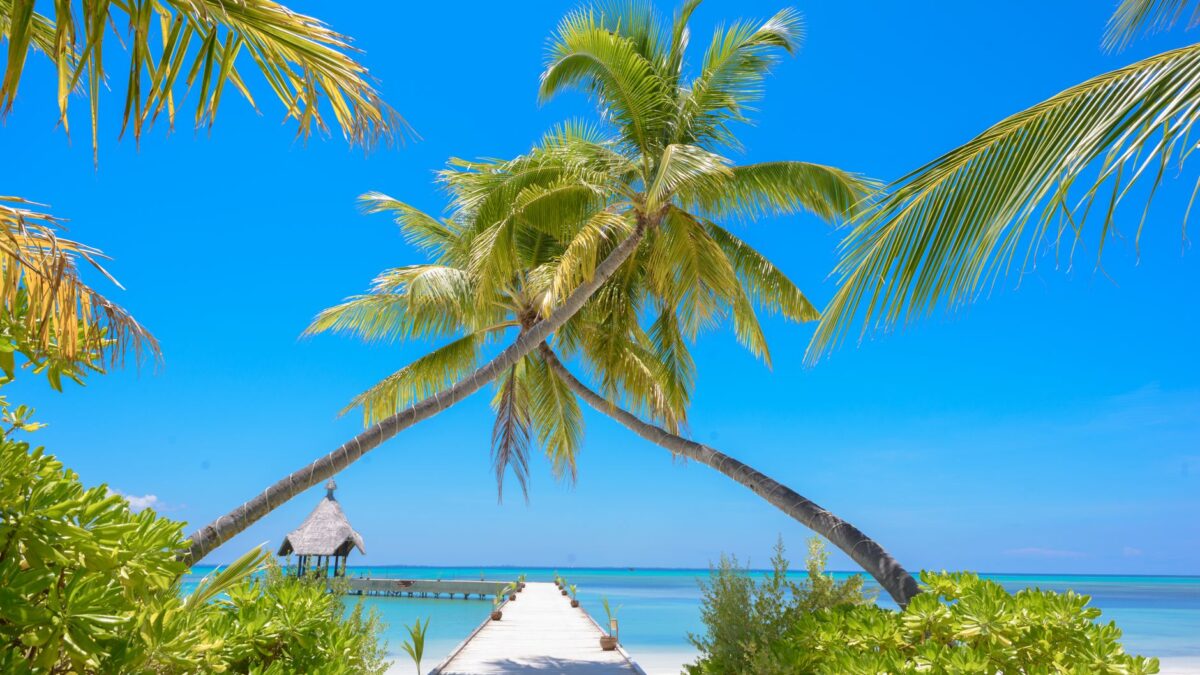
A week in Malé on a mid-range budget
A week in Malé, Maldives on a mid-range budget: day-by-day costs for meals, hotels, ferries, and attractions, with real prices in MVR.
 Travel Tips
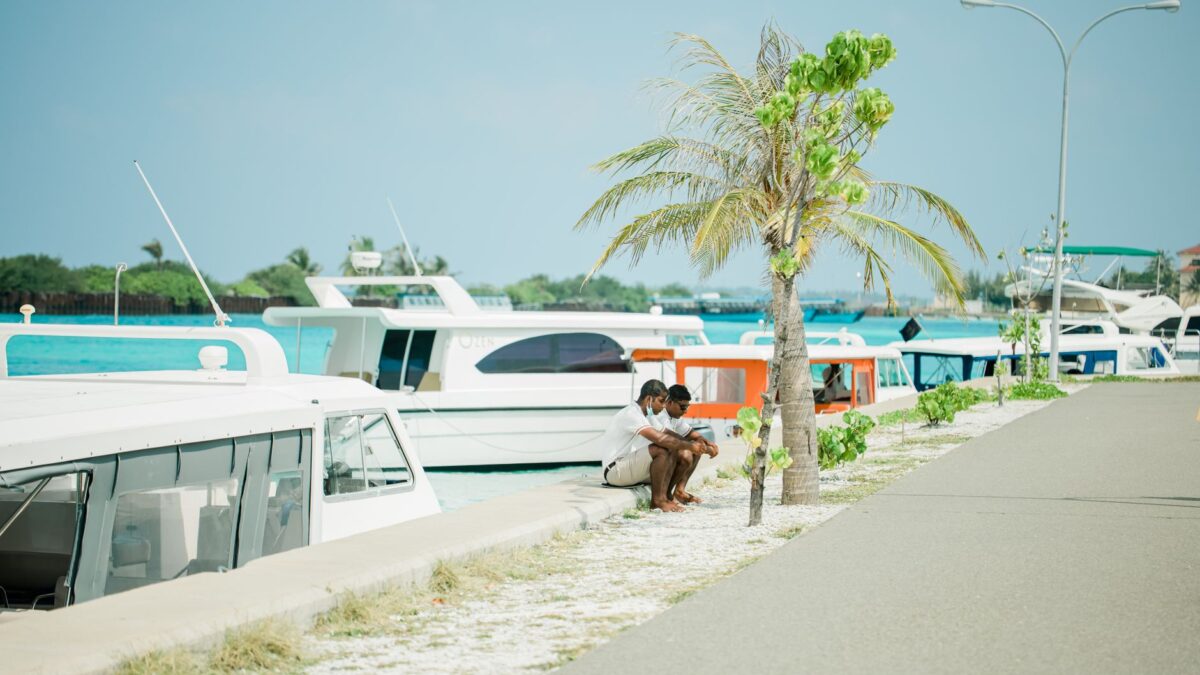
The best time to visit Maldives
When is the best time to visit the Maldives? A local's season-by-season guide to weather, crowds, prices, and festivals in Malé and beyond.
 News & Updates
Maldives in August 2026: what travelers should know now
Maldives in August 2026: monsoon weather, road closures, the Island Investment Forum aftermath, bridge updates, and local prices. Real tips from Malé.
 Culture & Etiquette
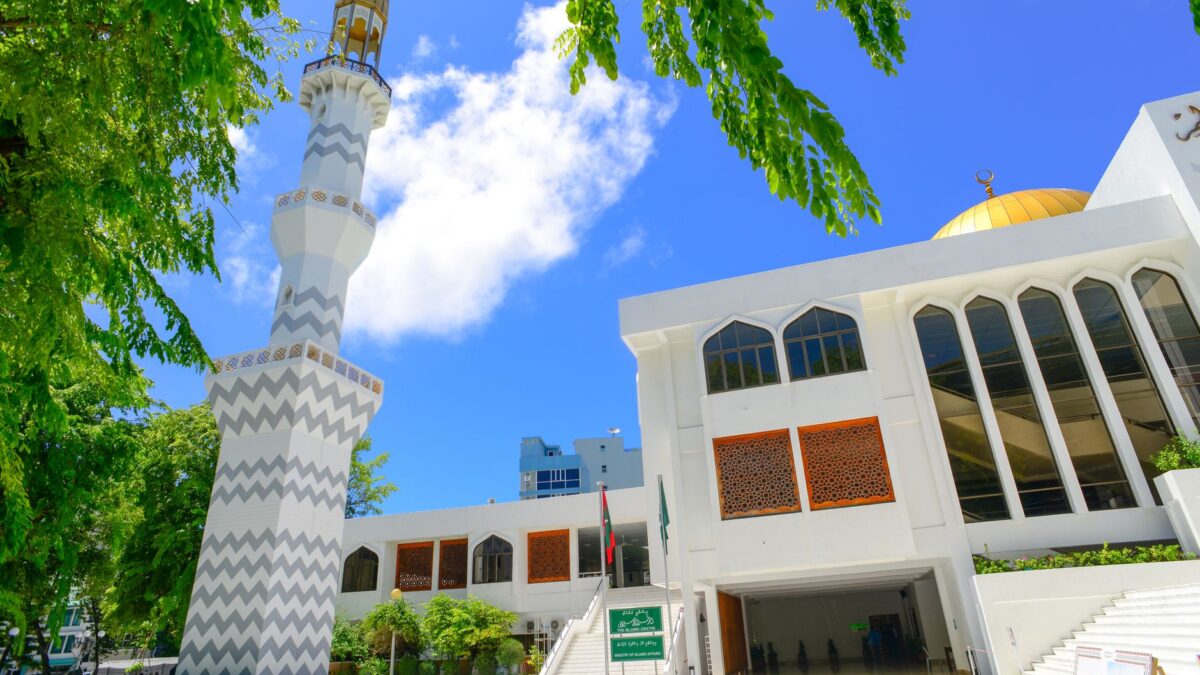
Maldives etiquette: the dos and don’ts
Maldivian etiquette from a local: greetings, dress, dining, tipping, and small customs that matter in Malé. How to be a considerate visitor.
South Asia
 India
IndiaIndia Travel Podcast with Arjun Mehta
The Ganges plain holds India’s densest population, while the Deccan Plateau in the south and the Himalayan mountain fringe in the north…
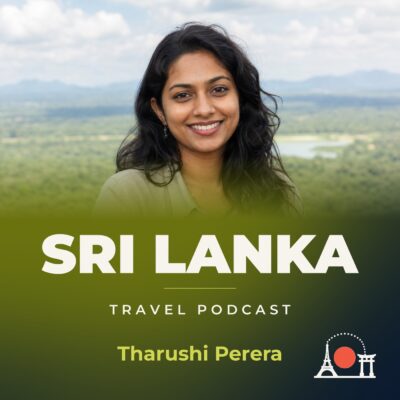 Sri Lanka
Sri Lanka Travel Podcast with Tharushi Perera
The northeast monsoon, arriving from December to March, brings rain to the northern and eastern shores before the southwest monsoon takes over…
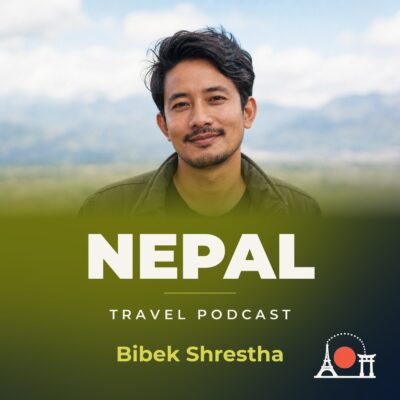 Nepal
NepalNepal Travel Podcast with Bibek Shrestha
The Tarai plains hold nearly half the population and share a lowland geography with the Ganges river system that shapes life in…
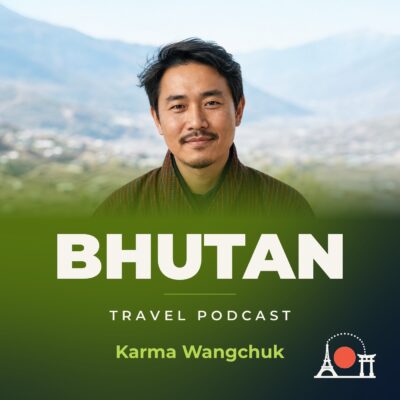 Bhutan
Bhutan Travel Podcast with Karma Wangchuk
The capital, Thimphu, sits in a central valley where summers turn hot and winters stay cool, while Himalayan passes control routes between…