

A first-timer’s guide to Mauritius
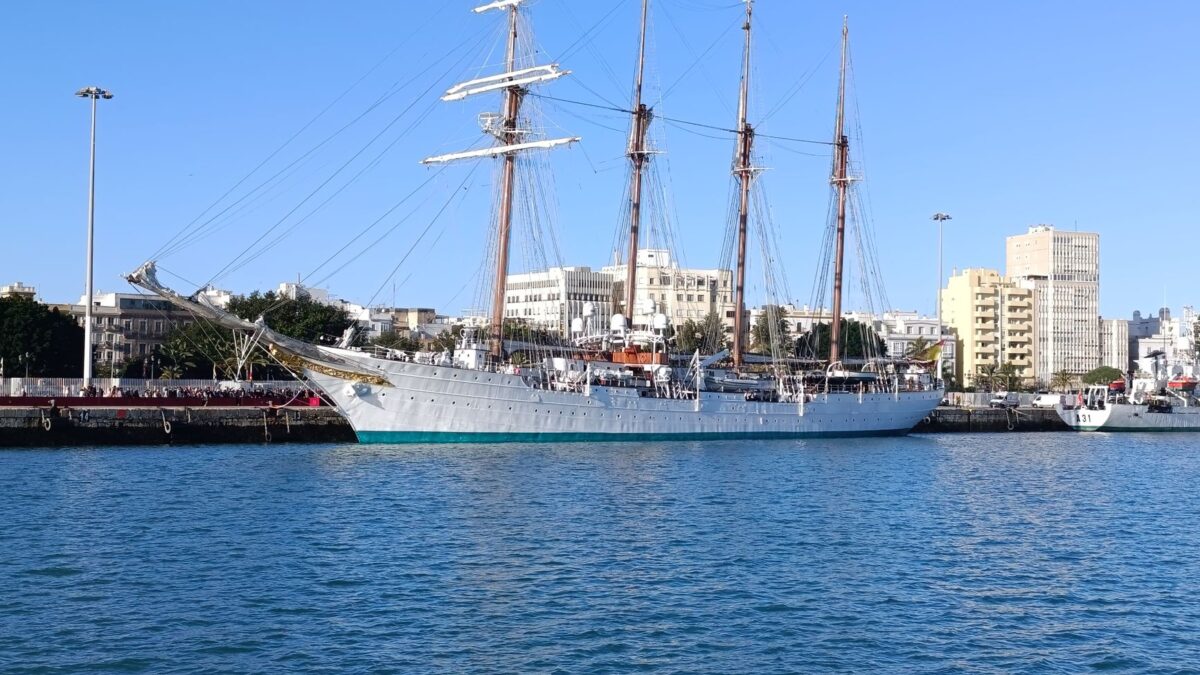
The air in Port Louis has that mid-August bite to it — the cool, dry winter breath that makes the capital feel like it’s exhaling after the humid madness of summer. I was standing at the Caudan Waterfront the other evening, watching the last of the light drain from the sky at 17:57, and a runner from the Caudan Night Run training crew jogged past me, her breath visible in the chill. The city is alive in a way it isn’t in January. If you’re planning your first trip here, this is the season — and this is the guide I wish someone had handed me before my own first landing at SSR Airport.
When to come and how long to stay
Mauritius has two real seasons, and the one you want for a first visit is the cool, dry winter running roughly from May to November. Right now, in mid-August, the thermometer hovers around 20–27°C in Port Louis with a light drizzle that barely counts as rain — we got 2mm over 15 hours the other day, which is nothing. The light comes up at 06:29 and fades by 17:57, giving you crisp mornings and early, still evenings. It’s the heart of the horse-racing season at Champ de Mars, the oldest racecourse in the Southern Hemisphere, and the city calendar is packed — from the Mauritius Shopping Festival taking over the Swami Vivekananda International Convention Centre in Pailles to sega tribute concerts like KAPITENN 95 at the Caudan Arts Centre.
Summer (November to April) is hotter and wetter — think cyclones and heavy humidity. It’s not wrong to come then, but for a first-timer, it’s a different, stickier beast. As for how long: I’d say a minimum of 7 to 10 days if you can manage it. Anything less and you’ll be spending half your time in transit. The island is compact, but the distances feel longer than they look on a map, especially once you leave the capital. The sweet spot is 8 nights — enough for the north coast beaches, a south-west adventure to Le Morne, and a proper wander through the highlands of Curepipe and Floréal.
Getting around: buses, the Metro Express, and the truth about taxis
Let me save you the research I had to do. The public transport system is genuinely good and, most importantly, cheap. The Metro Express light rail runs from Port Louis out to Curepipe via Rose Hill and Ebène Cybercity — a single trip from Rose-Hill to Port Louis costs about Rs 30 (roughly $0.60). You’ll need an MECard, a prepaid smartcard that costs about Rs 150–200 with credit included, which gets you around 5–10% off single tickets. Pick one up at the station machines — it’s tap-on, tap-off, simple as that.
For the bus network, it radiates out of the Immigration Square terminus in Port Louis. A single local fare is about Rs 43 (under a dollar). Honestly, the bus gets you almost anywhere you need on the island — you’ll see everything, and it’s an experience in itself. But here’s the thing I tell everyone: for the first day or two, budget for taxis while you get your bearings. A taxi start is around Rs 217 (about $5), and you can negotiate for longer trips. It’s not the cheapest way to travel, but it’s worth it for the sanity of not navigating a new bus map with jet lag. If you’re staying a month or more, that monthly public transport pass at around Rs 1,333 (about $29) is an absolute steal. As for renting a car — it’s doable, but be warned: driving in Port Louis is an adventure for the brave. The streets are narrow, the roundabouts have their own logic, and parking is a sport.
Money matters: rupees, cash, and what things really cost
The currency is the Mauritian rupee, MUR, and as of 2024 you’re looking at around 46.4 rupees to the dollar. Inflation is at 3.7%, which you’ll feel mostly in imported goods — a litre of milk costs around Rs 61 (about $1.30), and a cappuccino will set you back about Rs 110 (roughly $2.40). But here’s the beautiful thing: the street food economy is immune to all that. A pair of dholl puris — the national treasure, a soft flatbread stuffed with split-pea curry — costs between Rs 25 and Rs 35 (under a dollar). A filling bowl of boulettes, those Mauritian fish or chicken dumplings in a fragrant broth, runs Rs 75 to Rs 150 (about $2.40). That’s the real Mauritius, and it’s glorious.
At a sit-down level: an inexpensive local restaurant meal is about Rs 330 (around $7). Splurge a little — a three-course meal for two at a mid-range place, no drinks, comes to about Rs 1,633 (roughly $35). You can absolutely live well on a mid-range budget here. One practical note: while cards are accepted at most hotels and upscale restaurants, cash is still king at the Central Market (Marché Central), the street stalls, and the smaller Creole eateries. Hit the MCB or SBM ATMs on arrival — the main branches on the Caudan waterfront and in the CBD are reliable. Also, tip loosely — it’s not the culture here the way it is in North America. A small rounding-up or a few rupees for a good server is appreciated, but nobody expects it.
The handful of things you’ll wish you’d known
First, the CBD empties out like a ghost town after 6pm. I mean it — the office workers vanish, and the streets near the port get quiet and a little less safe after dark. Keep to the well-lit waterfront areas and take a taxi if you’re out late. During the day, it’s perfectly safe, but the Central Market and bus areas are prime spots for petty theft. Keep your wallet in your front pocket or a zipped bag.
Second, get your SIM at the airport. At SSR, with your passport, you can pick up a tourist prepaid data pack from Mauritius Telecom (my.t), Emtel, or Chili in minutes. The coverage is excellent, even in the highlands, and you’ll avoid the hassle of registration paperwork in town.
Third — and this is the one I always forget to mention — the visa situation is beautifully simple for most nationalities. You get visa-free entry on arrival, typically up to 60 days (some nationalities get 90), and it’s extendable at the Passport and Immigration Office. For long-stay permits, the Economic Development Board (EDB) is your gateway, not the immigration office itself. And if you’re staying long enough to open a bank account, MCB and SBM are the big two — bring your passport, permit, proof of address, and source-of-funds documents, and give yourself 2–4 weeks for the KYC process.
Fourth, and this is where I sound like a local bore, but trust me: eat the street food. Yes, the restaurants at Caudan are nice — Riva Waterfront is great for a sundowner — but the magic is in Chinatown on Rue Royale and around the Central Market. Get the dholl puri from the stall with the longest line, follow it with gâteau piment, and wash it down with an alouda. It’s not just a meal; it’s a history lesson in a cup.
Don’t skip the urban soul for the beaches
Everyone comes for the turquoise lagoons, and yes, you should absolutely see them. But the Mauritius you’ll remember in twenty years isn’t just in the photos — it’s in the layers of Port Louis. Walk up to Fort Adelaide (La Citadelle), the 1840s black-basalt fort that gives you the best free panorama in the city, and watch the horses race at Champ de Mars in the distance. Spend a morning at the Blue Penny Museum at Caudan, where the 1847 red-and-blue ‘Post Office’ stamps are kept — they’re the rarest in the world, and they’re here, in this small, unassuming building. And for the heritage you’ll want to understand, visit Aapravasi Ghat, the UNESCO World Heritage site where some 450,000 indentured labourers from India landed between 1849 and 1923. It’s a sobering, essential counterpoint to the resort pools.
Venture out to the highlands for a day — Curepipe sits at around 500m, and the air is noticeably cooler and cleaner. Flanked by the Trou aux Cerfs crater viewpoint and grand colonial villas, it feels a world away from the coast. Then make the pilgrimage to Pamplemousses, just a 15-minute drive north of the city, to the SSR Botanic Garden — the oldest in the Southern Hemisphere, famed for its giant Amazon water lilies and giant Aldabra tortoises. These are the experiences that fill in the gaps between the sun loungers and the rum punches. Pair them, and you’ll leave Mauritius with more than a tan — you’ll leave with a pulse on the place.
Frequently asked questions
What is the best time of year to visit Mauritius for a first-timer?
The cool, dry winter from roughly May to November is ideal for a first visit. Mid-August in Port Louis offers 20–27°C days, light rain, and a buzz of events like the Caudan Night Run and shopping festival.
How many days should I spend in Mauritius on my first trip?
A minimum of 7 to 10 days is recommended, with 8 nights as a sweet spot. This allows time for both the beaches and a proper exploration of Port Louis, the highlands, and the south-west coast.
Is the Metro Express or bus the better way to get around Port Louis?
For speed and ease, use the Metro Express light rail (about Rs 30 from Rose-Hill to Port Louis) with an MECard. For broader coverage of the island, the bus network from Immigration Square is extremely cheap at around Rs 43 per ride.
How much money do I need for food in Mauritius?
Street food is remarkably cheap: a pair of dholl puris costs Rs 25–35 and a bowl of boulettes Rs 75–150. A meal at an inexpensive local restaurant is about Rs 330, while a three-course dinner for two at a mid-range place costs around Rs 1,633.
Do tourists need a visa to enter Mauritius?
Most nationalities get visa-free entry on arrival, usually for up to 60 days (some up to 90), extendable at the Passport and Immigration Office. Always confirm your specific nationality's allowance before travelling.


